
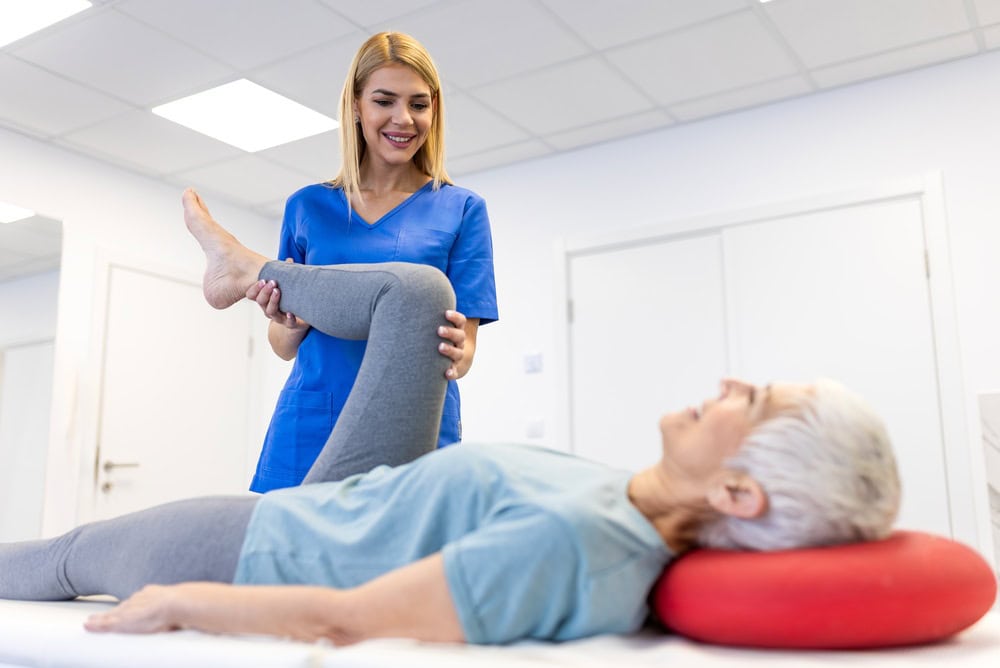
Deep groin pain, clicking in the hip, or a feeling of instability during movement may indicate irritation or injury to the labrum. If you have been diagnosed with a labral tear or suspect one, structured Hip Pain Physiotherapy focuses on restoring stability, reducing joint stress, and guiding safe return to activity. The objective is clear: reduce pain, rebuild control, and improve function with measurable progress.
What Is a Labral Tear
The labrum is a ring of cartilage that lines the rim of the hip socket. It deepens the joint, improves stability, and helps distribute load smoothly during movement. A tear can develop after trauma such as a fall or sudden twist, or gradually due to repetitive rotation, impingement, or structural variations in the hip.
Not all labral tears cause symptoms. When pain is present, it often reflects joint irritation and reduced muscular support rather than the tear alone.
Common Symptoms
Patients often describe deep groin pain that worsens with prolonged sitting, pivoting, squatting, or running. You may notice clicking, catching, or a sensation that the hip is not fully stable. Stiffness and reduced range of motion are also common.
Symptoms can vary depending on the size and location of the tear and whether conditions such as femoroacetabular impingement are present.
Assessment and Diagnosis
At Adam Vital Physiotherapy & Rehabilitation Center, we begin with a detailed assessment of hip mobility, muscle strength, pelvic stability, and movement patterns. Special tests help identify whether the labrum is contributing to your symptoms. If imaging such as MRI has confirmed a tear, we interpret findings alongside your functional presentation.
Our focus is understanding how your hip behaves during real movement, not just what appears on a scan.
Non Surgical Rehabilitation
Pain Management and Joint Protection
Early rehabilitation may involve modifying aggravating movements such as deep squats or pivoting activities. We guide you on safe ranges of motion while maintaining activity to prevent stiffness and deconditioning.
Strengthening the Hip Stabilizers
Building strength in the gluteal muscles, deep hip rotators, and core improves joint control and reduces excessive stress on the labrum. Progressive strengthening enhances stability during walking, running, and directional changes.
Improving Movement Mechanics
Faulty biomechanics such as inward knee collapse or excessive hip rotation increase joint strain. We retrain movement patterns to optimise alignment and load distribution.
Mobility Within Safe Limits
Controlled mobility exercises maintain functional range without forcing painful positions. The aim is balanced flexibility and strength, not excessive stretching.
Post Surgical Rehabilitation
If arthroscopic surgery has been performed to repair or debride the labrum, structured rehabilitation is essential. Early phases focus on protecting healing tissue while restoring gentle range of motion. Weight bearing progression follows surgical guidelines.
As healing advances, strengthening becomes more intensive, targeting power, endurance, and sport specific control. Return to running or competitive sport is introduced gradually and monitored closely.
Recovery Timeline
Non surgical rehabilitation may show meaningful improvement within several weeks, with continued gains over three to six months depending on severity and consistency. Post surgical recovery often spans four to six months before full return to high demand sport.
Every plan is tailored to your goals, whether that is returning to recreational exercise, competitive athletics, or pain free daily function.
Preventing Recurrence
Long term hip health depends on maintaining strength, monitoring training load, and avoiding excessive repetitive compression. We provide education on pacing, technique, and conditioning to reduce future risk.
For active individuals in Dubai, this may include running analysis, gym movement correction, or tailored sport drills that support performance without compromising joint integrity.
When to Seek Professional Guidance
If hip pain persists, interferes with sleep, or limits your ability to exercise or work, early assessment can prevent further joint irritation. Ignoring symptoms may lead to compensation patterns affecting the lower back or knees.
With precise evaluation and structured rehabilitation, many individuals regain strong, stable, and confident movement even with a labral tear diagnosis.
Take the Next Step
Labral tears can feel concerning, especially when they disrupt active lifestyles. The right plan combines clinical precision, progressive strengthening, and supportive guidance. Book a comprehensive assessment at Adam Vital Physiotherapy & Rehabilitation Center to clarify your diagnosis and begin a clear path toward recovery and performance restoration.
