
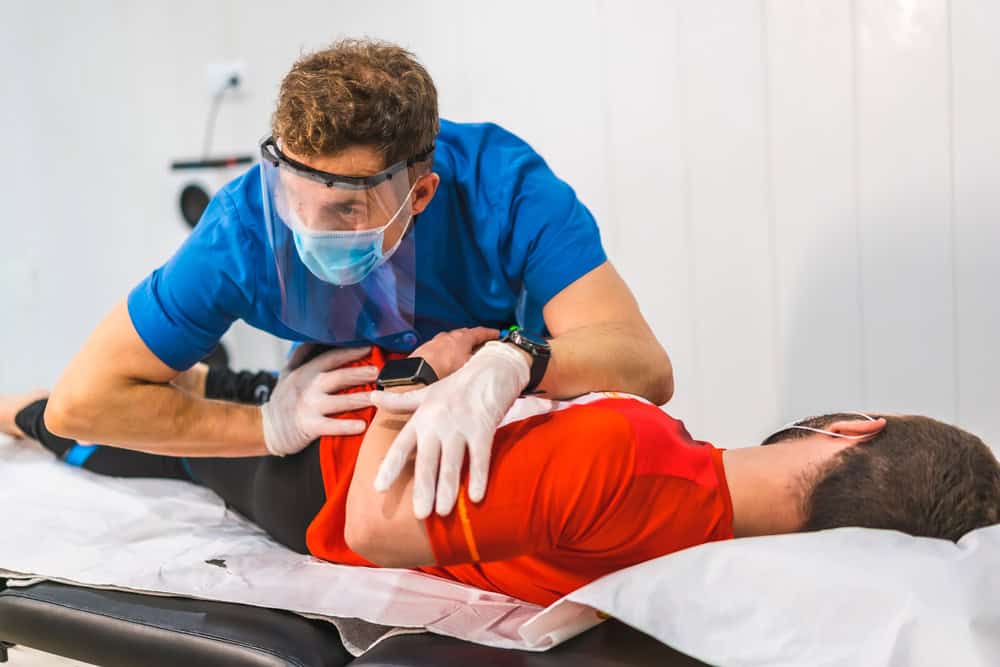
Hip stiffness, restricted movement, or discomfort during walking and bending can limit both daily activity and athletic performance. As part of a structured Hip Pain Physiotherapy plan, manual therapy is used to improve joint mobility, reduce protective muscle tension, and prepare your body for active rehabilitation. The focus is clear: restore movement quality so strengthening and functional progress become more effective.
What Is Manual Therapy
Manual therapy refers to hands on techniques performed by a trained physiotherapist to improve joint motion and soft tissue flexibility. In the hip, this may include joint mobilisations, soft tissue release, and guided movement techniques that address stiffness and pain.
Manual therapy is not a standalone solution. It supports an active program by creating the conditions needed for better muscle activation, improved alignment, and more comfortable movement.
Why Hip Joint Mobility Matters
The hip is designed for both stability and range. When mobility becomes restricted, other areas such as the lower back or knee often compensate. This can lead to secondary pain, altered gait patterns, and reduced performance.
Improving hip mobility enhances walking efficiency, squat depth, running mechanics, and overall movement confidence. For patients with arthritis, impingement, or post injury stiffness, restoring available range is essential for functional recovery.
Conditions That Benefit from Manual Therapy
Hip Osteoarthritis
Gentle joint mobilisations can reduce stiffness and improve comfort during daily tasks. Combined with strengthening, this approach helps maintain independence and activity levels.
Femoroacetabular Impingement
Targeted techniques may improve joint glide and reduce irritation during controlled movement. Manual therapy is carefully applied within safe ranges to avoid excessive compression.
Post Surgical Stiffness
After hip arthroscopy or joint replacement, guided manual techniques support safe mobility restoration according to surgical guidelines.
Muscle Tightness and Overload
Soft tissue release of the hip flexors, gluteals, and deep rotators can reduce protective guarding and improve comfort during strengthening exercises.
Types of Manual Techniques Used
Joint Mobilisation
These are controlled, graded movements applied to the hip joint to improve capsule flexibility and joint glide. The intensity is adapted to your comfort and stage of recovery.
Soft Tissue Techniques
Hands on release of tight or overloaded muscles helps reduce tension and improve circulation. This prepares the hip for more effective active work.
Assisted Stretching
Guided stretching ensures movement stays within safe and beneficial limits. Unlike aggressive stretching, this approach respects joint sensitivity and healing status.
What to Expect During a Session
Your physiotherapist will first assess your hip range of motion, pain response, and functional limitations. Manual therapy is then applied with precision, monitoring your comfort and joint response. Treatment is always explained clearly so you understand what is being done and why.
Following manual techniques, you will perform specific exercises to reinforce the improved range. This integration is critical for lasting results.
Is Manual Therapy Painful
Manual therapy should not cause sharp or severe pain. You may feel mild discomfort or pressure, particularly in stiff areas, but treatment remains within tolerable limits. We communicate continuously to ensure you feel safe and supported.
If irritation occurs, intensity is adjusted immediately. Your comfort and trust are priorities throughout the session.
How Many Sessions Are Needed
The number of sessions depends on the cause and severity of stiffness. Some patients notice improved mobility within a few visits. Others with chronic conditions require a longer progression combined with strengthening and movement retraining.
Our focus is measurable change such as improved hip flexion, rotation, or walking tolerance. Progress is tracked to ensure treatment remains purposeful.
Manual Therapy Combined with Active Rehabilitation
Hands on treatment alone does not create long term resilience. Strengthening the gluteal muscles, improving core control, and retraining movement patterns are essential to maintain gains in mobility.
At Adam Vital Physiotherapy & Rehabilitation Center, manual therapy is integrated into a broader rehabilitation plan designed around your goals, whether that is returning to sport, reducing daily discomfort, or improving performance.
When to Seek Professional Support
If hip stiffness limits your stride, restricts your gym exercises, or causes compensatory back pain, early intervention can prevent further overload. Clear assessment ensures manual therapy is appropriate and applied safely.
Take the Next Step
Improving hip joint mobility can significantly enhance comfort and performance. With precise assessment, evidence based manual therapy, and structured exercise progression, meaningful change is achievable. Book your assessment at Adam Vital Physiotherapy & Rehabilitation Center and begin restoring confident, efficient movement today.
