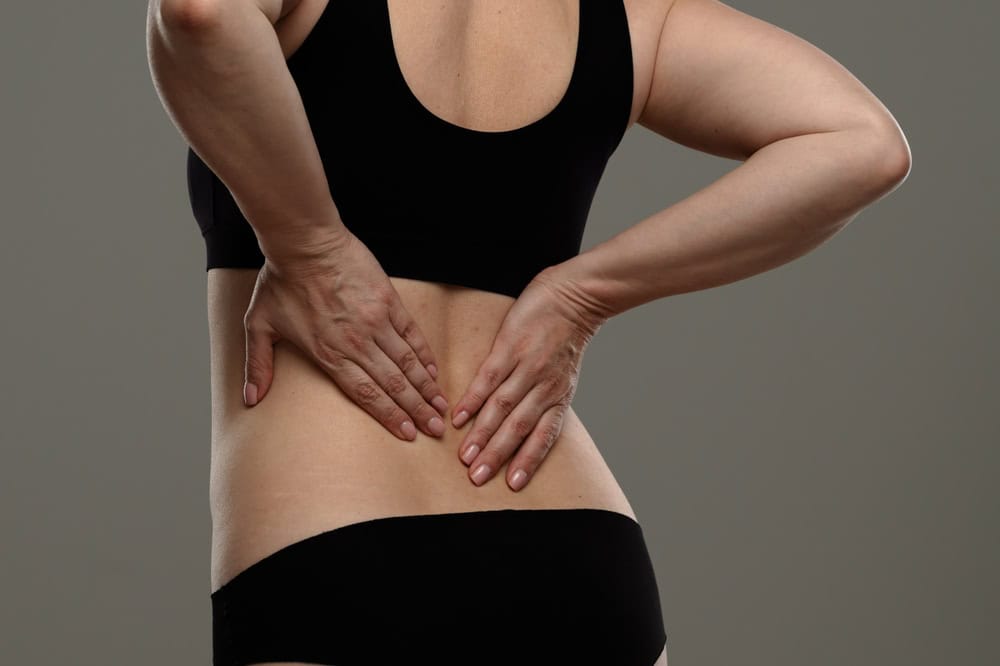
Ongoing lower back pain, leg symptoms, or repeated flare-ups often stem from how the lumbar spine handles everyday load rather than a single injury, and this is why structured lumbar spine stabilization is a core part of long-term recovery and relapse prevention, particularly for people managing nerve-related symptoms as part of Sciatica Treatment, where control, confidence, and consistency matter more than force or intensity.
What Lumbar Spine Stabilization Really Means
Lumbar spine stabilization is not about bracing rigidly or avoiding movement. It is about teaching your body to control movement, distribute load efficiently, and maintain spinal integrity during daily tasks, work demands, and sport. The spine is designed to move, but it performs best when movement is supported by coordinated muscle activity rather than uncontrolled strain.
When stabilizing systems are not functioning well, the spine may rely on passive structures such as discs, joints, and ligaments to absorb stress. Over time, this can contribute to pain, nerve irritation, and reduced confidence in movement. Stabilization retrains the active support system so the spine can tolerate load without excessive compression or shearing.
Why Stabilization Is Essential in Back and Nerve Pain
Many people associate back pain with weakness, but the issue is often timing and coordination rather than raw strength. Muscles that should support the spine may activate too late, fatigue too quickly, or switch off under stress, especially after injury, prolonged sitting, or repeated flare-ups.
In nerve-related conditions, poor spinal control can increase sensitivity by repeatedly compressing or irritating neural structures during simple movements such as bending, getting out of a chair, or lifting. Stabilization reduces unnecessary movement at vulnerable segments, allowing irritated tissues to calm while function improves.
The Muscles That Matter Most
Lumbar stabilization focuses on deep and superficial muscle systems working together rather than isolating one area.
Deep Local Stabilizers
These muscles provide segmental control and fine-tuned support close to the spine. They do not generate large movements but create a stable base for movement to occur safely. When these muscles are underactive, the spine may feel unstable, guarded, or easily aggravated.
Global Support Muscles
Larger muscles around the trunk, hips, and pelvis help manage load during bigger movements such as lifting, walking, and sport. Effective stabilization integrates these muscles so the spine is supported dynamically rather than locked in place.
Common Signs You May Need Stabilization Training
Stabilization is often indicated when pain fluctuates with posture or fatigue, when symptoms worsen after prolonged sitting or standing, or when you feel apprehensive about bending, lifting, or returning to activity despite scans showing no major structural damage.
It is also relevant if you experience repeated episodes of back pain, notice weakness or poor endurance through the trunk, or feel that your back cannot tolerate everyday demands even though you remain active.
Principles of Effective Lumbar Stabilization
Quality Before Quantity
Small, controlled movements performed with precision are more effective than high repetitions performed with poor control. The goal is to teach the nervous system how to coordinate support, not to exhaust the muscles.
Neutral, Not Rigid
Stabilization aims to maintain a comfortable, neutral spinal position that allows movement at the hips and shoulders while the lumbar spine remains controlled. Over-bracing or flattening the back completely can be counterproductive and increase stiffness.
Breathing Matters
Breath control is closely linked to spinal stability. Holding your breath or shallow breathing can increase spinal tension. Controlled breathing helps maintain pressure regulation and supports efficient muscle activation during movement.
Progression Is Essential
Stabilization begins with simple positions and progresses toward real-life tasks. Exercises that do not translate into daily movement will not deliver lasting benefit.
Foundational Lumbar Stabilization Techniques
Abdominal Bracing
This technique teaches you to activate the trunk without flattening or arching the spine. The sensation is one of gentle firmness around the waist, as if preparing to lift something light. It should not involve breath holding or excessive tension.
This forms the foundation for all other stabilization work and should feel sustainable rather than forced.
Pelvic Control in Supine and Quadruped Positions
Exercises performed lying on your back or on hands and knees reduce load and allow focus on control. These positions are ideal for learning to move the arms or legs while keeping the spine stable and symptoms calm.
Early success in these positions builds confidence and reduces fear of movement.
Hip and Pelvic Integration
The hips play a major role in protecting the lumbar spine. Stabilization work often includes controlled hip movement to reduce compensatory spinal motion. When the hips absorb load effectively, the spine experiences less stress.
Progressing Toward Functional Stability
As control improves, stabilization must progress into positions that reflect daily life and work demands.
Seated and Standing Control
Many people experience pain primarily when sitting or standing for long periods. Stabilization in these positions focuses on maintaining control without stiffness, allowing posture to adapt subtly rather than collapse or overcorrect.
Lifting and Load Management
Learning how to stabilize during lifting is essential for long-term confidence. This includes managing load close to the body, coordinating breath and movement, and distributing effort through the hips and legs rather than the lower back.
Sport and Activity-Specific Control
For active individuals and athletes, stabilization must extend into rotation, acceleration, and deceleration tasks. This phase ensures the spine remains supported under higher demands without limiting performance.
How Stabilization Supports Nerve Recovery
In conditions involving nerve irritation, improved spinal control reduces repeated micro-irritation that can occur during uncontrolled movement. This allows nerve sensitivity to decrease while strength and tolerance increase.
Stabilization also reduces protective muscle guarding, which often contributes to stiffness and ongoing discomfort. As confidence improves, movement becomes smoother and less reactive.
What to Expect From a Structured Program
Most people notice improved confidence and reduced symptom fluctuation within a few weeks when exercises are matched to their ability and progressed appropriately. Early improvements often include better tolerance for sitting, standing, and walking, followed by greater resilience during more demanding tasks.
Progress is measured through function, not just pain reduction. Being able to work longer, move more freely, and return to activity without flare-ups are key markers of success.
Common Mistakes That Limit Results
Over-Bracing
Constantly holding tension through the trunk can increase fatigue and stiffness. Stabilization should feel supportive, not restrictive.
Skipping Progression
Staying only with low-level exercises may reduce symptoms temporarily but fails to prepare the spine for real-world demands. Progression is essential for durability.
Ignoring Daily Habits
Exercises alone cannot offset poor movement habits. How you sit, lift, and manage load throughout the day strongly influences outcomes.
Your Next Step Toward Sustainable Back Health
If back pain or nerve symptoms have made you cautious about movement, lumbar spine stabilization offers a structured way to rebuild trust in your body. The most effective approach begins with a clear assessment, followed by a progressive plan that matches your lifestyle, work demands, and activity goals.
Conclusion: Lumbar spine stabilization techniques are not about restricting movement but about restoring control, efficiency, and confidence. When applied correctly and progressed into real-life tasks, they form the backbone of long-term recovery, helping you move well, tolerate load, and return to daily life or sport with measurable, lasting improvement.
