
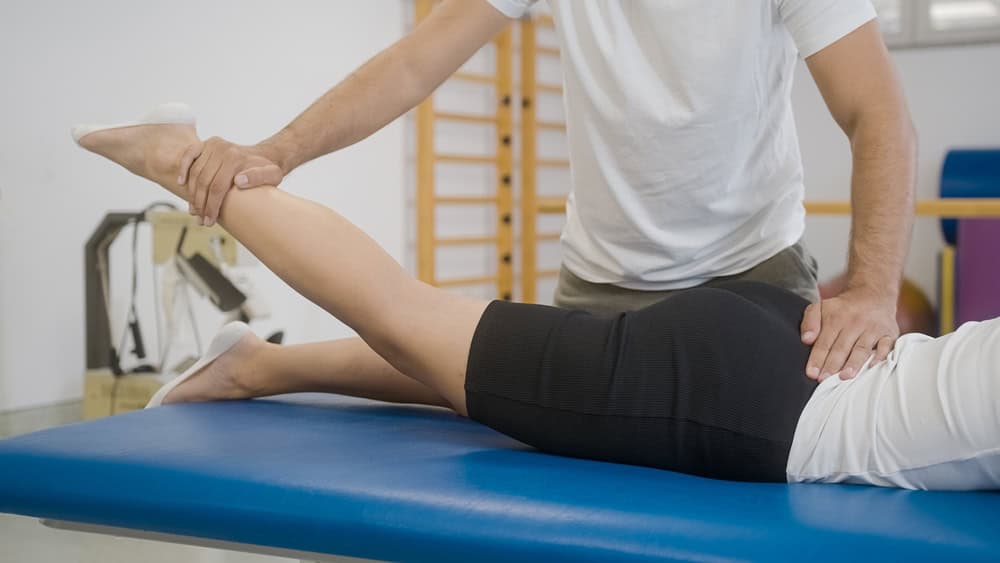
Tightness in the buttock or back of the thigh is often blamed for sciatic-type symptoms, but stretching these areas without understanding timing and technique can either support recovery or worsen nerve irritation, which is why targeted stretches for the piriformis and hamstrings are best used as part of a structured Sciatica Treatment approach that prioritises symptom behaviour, control, and long-term function rather than forcing range.
Why Piriformis and Hamstring Tightness Matters
The piriformis and hamstrings sit close to the sciatic nerve and strongly influence pelvic and spinal mechanics. When these muscles become overactive, fatigued, or shortened, they can increase tension around the nerve pathway or alter how load is transferred through the pelvis and lower back.
However, perceived tightness is not always true muscle shortening. In many cases, the sensation of tightness reflects nerve sensitivity or protective guarding, which means aggressive stretching may increase symptoms rather than relieve them.
When Stretching Is Helpful and When It Is Not
Stretching is most helpful when muscle stiffness contributes to movement restriction and symptoms reduce with gentle range. It is less helpful, and sometimes aggravating, when pain is primarily nerve-driven.
A useful guideline is symptom response. If stretching produces a mild, local stretch sensation that settles quickly and improves movement, it is likely appropriate. If it reproduces sharp, burning, or travelling leg pain, the stretch should be modified or paused.
Piriformis Stretching for Sciatic Relief
The piriformis is a deep hip muscle that supports pelvic stability. When overloaded or tense, it can irritate the sciatic nerve, particularly during prolonged sitting or repetitive activity.
Seated Piriformis Stretch
This stretch is commonly used because it allows good control and is easy to adjust.
How to perform: Sit upright on a chair. Place the ankle of the affected leg over the opposite knee, forming a figure-four position. Gently hinge forward at the hips while keeping the spine neutral until a mild stretch is felt in the buttock.
Key cues: The stretch should feel local to the buttock, not sharp or travelling down the leg. Keep breathing relaxed and avoid forcing the range.
Duration: Hold for 20 to 30 seconds, 2 to 3 repetitions.
Supine Piriformis Stretch
This option reduces spinal load and is often better tolerated if sitting aggravates symptoms.
How to perform: Lie on your back with both knees bent. Cross the affected ankle over the opposite knee. Gently draw the supporting thigh toward your chest until you feel a mild buttock stretch.
Key cues: Keep the pelvis relaxed and avoid pulling aggressively. Stop if leg symptoms increase.
Hamstring Stretching and Sciatic Symptoms
The hamstrings run along the back of the thigh and are closely linked to pelvic position. Tight or fatigued hamstrings can increase posterior pelvic tilt, which may raise disc pressure and aggravate sciatic symptoms during sitting.
At the same time, hamstring stretching often tensions the sciatic nerve, so technique and dosage matter.
Gentle Seated Hamstring Stretch
This version allows control and easy symptom monitoring.
How to perform: Sit with one foot slightly forward and the knee comfortably straight. Gently hinge forward at the hips until a mild stretch is felt in the back of the thigh.
Key cues: Stop before symptoms travel down the leg. The stretch should feel muscular rather than neural.
Duration: Hold for 15 to 25 seconds, 2 to 3 repetitions.
Supine Hamstring Stretch With Support
This reduces spinal strain and allows precise range control.
How to perform: Lie on your back and raise one leg, supporting behind the thigh. Slowly straighten the knee to a comfortable range.
Key cues: Keep the ankle relaxed. If nerve symptoms appear, reduce the range or bend the knee slightly.
Stretching Dosage and Frequency
More stretching is not always better. For many people with sciatic sensitivity, short-duration, low-intensity stretches performed consistently are more effective than long holds or aggressive techniques.
Stretching once or twice daily is usually sufficient. Symptoms should feel the same or better afterwards, not worse later in the day or the following morning.
Common Stretching Mistakes to Avoid
Pushing Through Nerve Pain
Stretching into sharp or travelling pain increases nerve sensitivity and delays recovery.
Holding End Range Too Long
Prolonged end-range holds can irritate sensitive tissues. Shorter holds with good control are safer.
Using Stretching as the Only Strategy
Stretching alone does not address strength, control, or load management. Without these, symptoms often return.
How Stretching Fits Into a Broader Plan
Stretching is best used to reduce excess tension and improve comfort so that movement, strengthening, and daily activity become easier. It should support function, not replace active rehabilitation.
For example, reducing piriformis tension may improve sitting tolerance, while gentle hamstring stretching may support better pelvic positioning during the day.
Signs Stretching Is Helping
Positive signs include improved ease of movement, reduced buttock tightness, better sitting comfort, and quicker settling of symptoms after activity.
If symptoms travel further down the leg, increase in intensity, or linger after stretching, reassessment is recommended.
Your Next Step
If you are unsure whether stretching is appropriate for your symptoms or which muscles are contributing most, a structured assessment can clarify whether tension, nerve sensitivity, or movement control is the main driver. This ensures stretches are used safely and effectively.
Conclusion: Piriformis and hamstring stretches can support sciatic relief when applied gently, selectively, and in the right context. By focusing on symptom response, controlled technique, and integration with strength and movement strategies, stretching becomes a useful tool rather than a source of irritation, helping restore comfort and confidence in everyday movement.
