
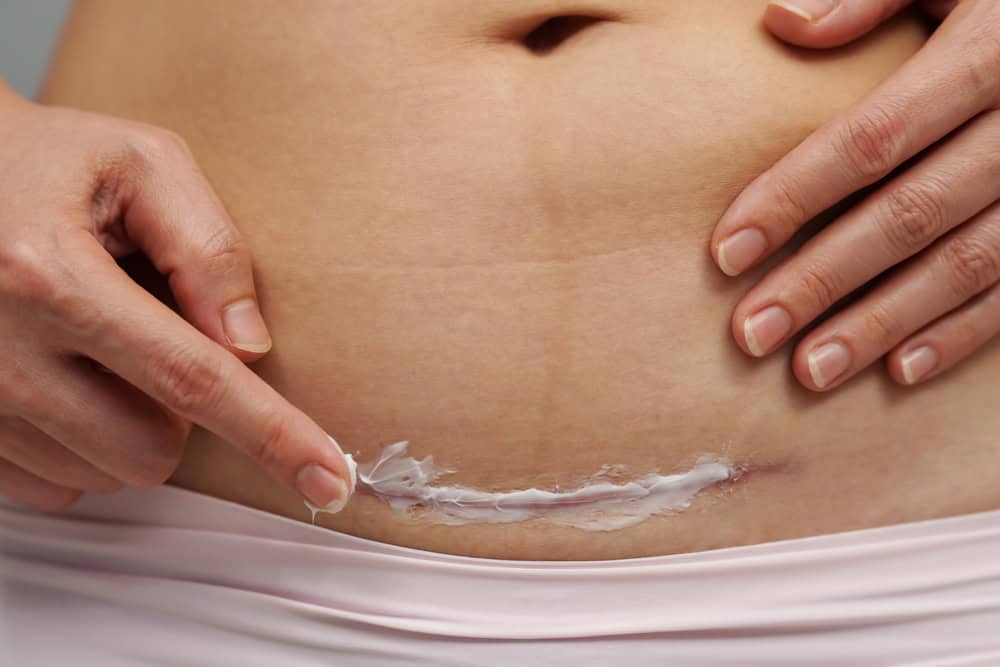
After a caesarean birth, sleep can become one of the most challenging parts of recovery. Discomfort around the incision, difficulty finding a comfortable position, and fear of placing pressure on the abdomen can all disrupt rest. At C-Section Scar Rehabilitation, sleep positioning is approached with a focus on reducing strain, supporting healing, and helping you rest more comfortably.
Why Sleep Position Matters After a C-Section
Your body continues to recover while you rest. However, certain positions can increase pressure on the incision, strain the abdominal wall, or create tension in the back and hips.
Poor sleep positioning can lead to increased discomfort, stiffness on waking, and difficulty moving after rest. Small adjustments in how you position yourself can make a significant difference to both comfort and recovery.
The Impact of Discomfort on Sleep Quality
Interrupted sleep is common after a C-section, but discomfort should not be the main reason. Supporting your body in a stable and comfortable position helps reduce unnecessary strain and allows better quality rest, even within shorter sleep periods.
Key Principles for Comfortable Sleep Positioning
There is no single position that suits everyone. The goal is to reduce pressure on the abdomen, maintain alignment, and support your body with minimal effort.
Protect the Abdominal Area
Avoid positions that place direct pressure on the incision or require excessive engagement of the abdominal muscles to maintain.
Support Your Body With Pillows
Pillows are essential for creating a supported position. They reduce the need for your muscles to hold you in place.
Maintain Neutral Alignment
Keeping your spine in a neutral position reduces strain on the back and surrounding tissues.
Move With Control
Transitions into and out of bed should be slow and supported to avoid sudden strain on the healing tissues.
Recommended Sleep Positions
Different positions can be effective depending on your comfort and stage of recovery.
Side-Lying Position
This is often the most comfortable and recommended position in the early stages.
- Reduces pressure on the abdomen
- Allows the body to relax
- Supports natural spinal alignment
Using a pillow between your knees helps keep your hips aligned. A pillow behind your back can provide additional support and prevent rolling.
Semi-Reclined Position
Sleeping slightly elevated with support behind your back can reduce strain on the abdomen.
- Minimises tension when transitioning in and out of bed
- Reduces pulling around the incision
- Can be helpful in the first few weeks
This position can be achieved using multiple pillows or an adjustable bed.
Supported Back-Lying Position
Lying on your back can be comfortable if properly supported.
- Place a pillow under your knees to reduce strain on the lower back
- Ensure your head and shoulders are supported
- Avoid a completely flat position if it increases discomfort
This position may become more comfortable as your recovery progresses.
Positions to Avoid or Modify
Flat Stomach Sleeping
Lying on your stomach places direct pressure on the incision and should be avoided in the early stages.
Unsupported Positions
Positions that rely on muscle effort rather than support can increase fatigue and discomfort.
Twisted or Asymmetrical Positions
Twisting the body or allowing the hips and shoulders to rotate unevenly can create strain in the abdomen and back.
Using Pillows Effectively
Pillows are one of the simplest and most effective tools for improving sleep comfort.
Between the Knees
This helps maintain alignment of the hips and reduces strain on the lower back.
Under the Abdomen
In a side-lying position, a small pillow under the abdomen can reduce pulling on the incision.
Behind the Back
This provides stability and prevents unwanted movement during sleep.
Under the Arms
Supporting the arms reduces tension in the shoulders and upper back.
Getting In and Out of Bed Safely
How you move is just as important as how you lie.
Rolling Technique
Rolling onto your side before sitting up reduces strain on the abdominal muscles. Using your arms to assist the movement provides additional support.
Controlled Transitions
Moving slowly and with control helps protect the healing tissues. Avoid sudden movements that place stress on the abdomen.
Managing Night-Time Discomfort
Adjusting Position Regularly
Small adjustments during the night can help prevent stiffness and maintain comfort.
Using Breath for Relaxation
Gentle, controlled breathing can reduce tension and help you settle into a comfortable position.
Listening to Your Body
If a position causes discomfort, adjust rather than pushing through it. Your body provides useful feedback during recovery.
How Sleep Positioning Supports Recovery
Good positioning does more than improve comfort. It supports the overall recovery process.
Reducing Strain on the Incision
Proper support minimises unnecessary pressure on the healing tissues.
Improving Circulation
Comfortable positioning supports blood flow, which contributes to healing.
Supporting Muscle Recovery
Reducing tension allows muscles to recover more effectively between daily activities.
Enhancing Overall Wellbeing
Better rest supports both physical and emotional recovery during the postnatal period.
When to Seek Guidance
If sleep remains uncomfortable despite adjustments, it may indicate that additional support is needed.
- Persistent discomfort that disrupts sleep
- Difficulty finding a comfortable position
- Increased pain when lying down or getting up
- Uncertainty about safe positioning
A structured assessment can help identify contributing factors and provide tailored recommendations.
Conclusion
Sleep positioning after a C-section plays an important role in reducing discomfort and supporting recovery. By protecting your abdomen, using effective support, and moving with control, you can create a more comfortable and restorative rest environment. Small changes in positioning can have a significant impact on how you feel each day. If you are struggling to find comfortable positions or experiencing ongoing discomfort, a guided assessment can provide clear, practical solutions to help you rest and recover with confidence.
