
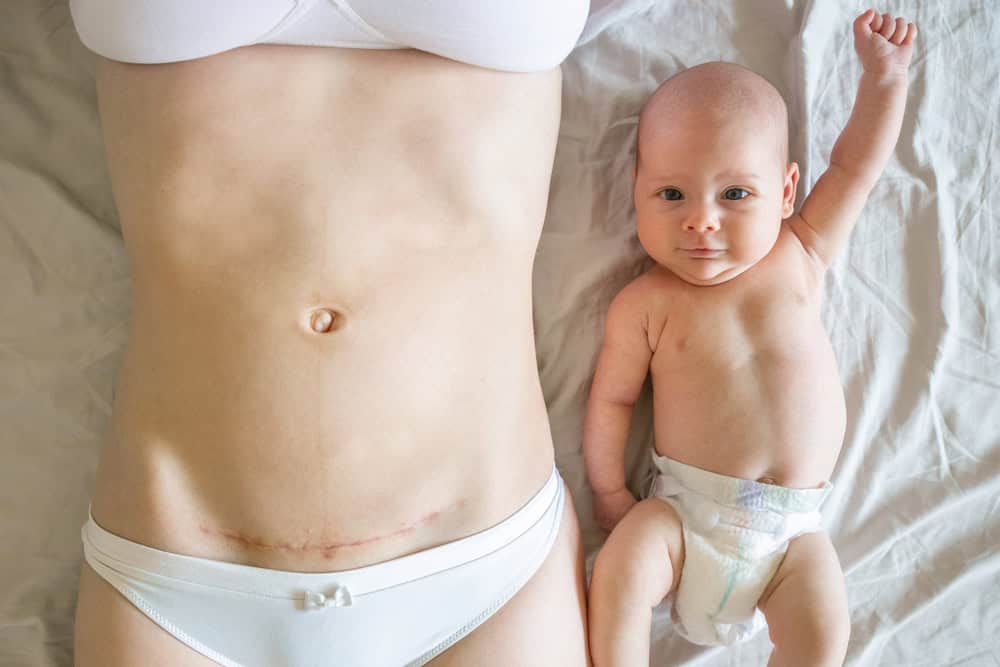
After a caesarean birth, it is common to notice tightness, pulling, or restricted movement around the incision area, even once the surface has healed. These sensations often come from deeper layers of tissue that have become stiff or adhered during healing. At C-Section Scar Rehabilitation, myofascial release is used to restore tissue mobility, reduce discomfort, and support more natural movement across the abdominal wall.
What Is Myofascial Tissue and Why It Matters
Fascia is a connective tissue that surrounds muscles, organs, and other structures in your body. It allows different layers to glide smoothly during movement. After surgery, this system can become restricted as scar tissue forms and healing takes place.
When fascia loses its ability to glide, it can create stiffness, tension, and altered movement patterns. This is often felt as tightness around the scar, but the effects can extend beyond the immediate area.
The Impact of Surgical Healing on Fascia
A C-section involves multiple tissue layers, and each layer heals differently. Fascia may become adhered to surrounding structures, limiting movement and affecting how force is transferred through your core.
These restrictions can influence posture, breathing, and how your body responds to load.
What Is Myofascial Release
Myofascial release is a hands-on approach that targets restrictions within the fascia and surrounding tissues. It uses sustained, controlled pressure and movement to encourage the tissue to adapt and regain flexibility.
This is not a forceful technique. It is gradual and guided, allowing the tissue to respond without irritation.
How It Differs From General Massage
Unlike general massage, which often focuses on muscle relaxation, myofascial release targets deeper connective tissue layers. The aim is not only to reduce tension but also to restore movement between tissue layers.
Why Myofascial Release Is Important for Scar Tissue
Scar tissue can create areas of restriction that affect both comfort and function. Addressing these restrictions supports a more complete recovery.
Improving Tissue Mobility
One of the main goals is to restore the ability of tissues to glide. This reduces stiffness and allows more natural movement during daily activities.
Reducing Pulling and Discomfort
Tight fascial restrictions can create a pulling sensation, especially when stretching or changing positions. Myofascial release helps reduce this tension over time.
Supporting Core Function
The abdominal wall relies on coordinated movement between layers. Restrictions can disrupt this coordination. Releasing these areas supports better muscle activation and stability.
Enhancing Circulation
Improved tissue mobility supports better blood flow, which contributes to ongoing healing and tissue health.
Common Signs You May Benefit From Myofascial Release
Not all scars behave the same way. Some heal with minimal restriction, while others develop noticeable tightness or sensitivity.
- A feeling of tightness or stiffness around the scar
- Pulling sensations when standing upright or stretching
- Reduced flexibility in the lower abdomen
- Discomfort during movement or exercise
- Visible restriction or uneven movement of the skin
These signs indicate that deeper tissue layers may benefit from targeted input.
When to Begin Myofascial Release
Timing is important to ensure that treatment supports healing rather than disrupting it.
Initial Healing Phase
In the early weeks, the focus remains on protection and gentle movement. Direct pressure on the scar is avoided until the tissue has healed sufficiently.
Progressive Introduction
Once the incision is fully closed and healing is stable, myofascial techniques can be introduced gradually. The approach is adapted based on your comfort and response.
If there is any uncertainty, a professional assessment ensures that treatment begins at the appropriate time.
How Myofascial Release Is Applied
The approach is structured and evolves as your body adapts.
Gentle Surface Techniques
Initial work may focus on the superficial layers, using light pressure to introduce movement and reduce sensitivity.
Deeper Tissue Engagement
As tolerance improves, techniques may target deeper layers of fascia. This helps address restrictions that affect overall movement.
Multi-Directional Movement
Fascial restrictions can occur in multiple directions. Treatment involves guided movement in different directions to restore balanced mobility.
Integration With Movement
Myofascial release is combined with exercises that reinforce improved movement patterns. This ensures that changes in tissue mobility translate into functional improvement.
What You May Feel During and After Treatment
During Treatment
You may feel a gentle stretching or pressure sensation. It should not feel sharp or overwhelming. The intensity is adjusted to your comfort level.
After Treatment
It is common to feel a sense of looseness or improved movement. Mild soreness may occur, similar to what you might feel after exercise, but this should settle quickly.
Consistent sessions and guided self-management help maintain progress.
Addressing Common Concerns
Is It Safe
When applied at the right stage of healing and with proper technique, myofascial release is safe and effective. It is always adapted to your individual condition.
Can I Do It Myself
Self-release techniques can be useful when guided correctly. However, understanding how to apply the right pressure and direction is important to avoid irritation.
What If My Scar Is Older
Scar tissue can respond to treatment even months or years after surgery. While progress may take time, improvements in mobility and comfort are still achievable.
Long-Term Benefits of Myofascial Release
Addressing fascial restrictions early supports both recovery and long-term function.
- Improved flexibility and movement in the abdominal area
- Reduced discomfort during daily activities
- Better coordination of the core muscles
- Lower risk of compensatory pain in other areas
- Enhanced confidence in movement and exercise
These benefits contribute to a more complete and sustainable recovery.
Why a Structured Approach Matters
Myofascial release is most effective when it is part of a broader rehabilitation plan. This includes breathwork, strengthening, and functional movement training.
A structured approach ensures that improvements in tissue mobility are supported by strength and control, reducing the risk of recurring issues.
Conclusion
Myofascial release for scar tissue plays a key role in restoring movement, reducing discomfort, and supporting overall recovery after a C-section. By addressing deeper tissue restrictions, you allow your body to move more freely and function more efficiently. If you are experiencing tightness, pulling, or limited movement, a guided assessment and personalised plan can help you progress safely and regain confidence in your body.
