
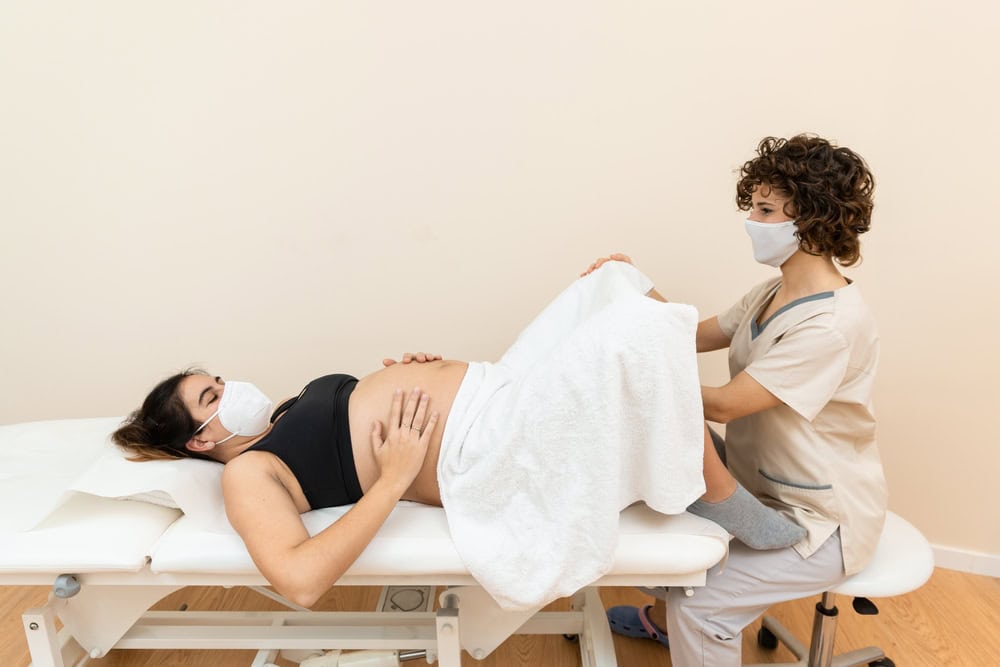
Changes in bladder control are often influenced by more than muscle strength or medical conditions. What you eat and drink each day can affect how your bladder behaves, including how often you need to go, how strong urgency feels, and whether leakage occurs. For many people, certain dietary patterns increase bladder sensitivity, while others support more stable function. Understanding these influences allows you to make practical adjustments that improve control without unnecessary restriction. At Adam Vital Physiotherapy & Rehabilitation Center, we incorporate dietary guidance into a structured plan as part of Incontinence Treatment, helping you align your nutrition with better bladder health and long-term results.
How Diet Affects Bladder Function
The bladder is sensitive to both the volume and composition of what you consume. Fluids determine how full the bladder becomes, while certain foods and drinks can irritate the bladder lining or alter nerve signalling. These effects can lead to increased urgency, frequency, or leakage in some individuals.
Dietary influence varies from person to person. What triggers symptoms in one individual may not affect another. This is why a personalised approach is important.
Fluid Intake and Bladder Behaviour
Fluid intake is one of the most direct dietary factors influencing bladder control. Both excessive and insufficient intake can contribute to symptoms.
Excessive Fluid Intake
Drinking large amounts of fluid in a short period can overwhelm the bladder, leading to frequent urination and increased urgency. This may reduce the bladder’s ability to hold normal volumes comfortably.
Insufficient Fluid Intake
Reducing fluid intake too much can lead to concentrated urine, which may irritate the bladder lining. This often increases urgency and discomfort rather than improving control.
Balanced Hydration
A consistent intake of fluids throughout the day supports stable bladder function. Spacing out your fluid consumption helps avoid sudden pressure on the bladder.
Caffeine and Bladder Sensitivity
Caffeine is a common dietary factor that can affect bladder control. It acts as both a stimulant and a mild diuretic, increasing urine production and potentially irritating the bladder.
For some individuals, caffeine can trigger urgency, frequency, or leakage. Sources include coffee, tea, energy drinks, and certain soft drinks.
Reducing or spacing caffeine intake can help identify whether it is contributing to your symptoms.
Carbonated and Sugary Drinks
Carbonated beverages may increase bladder sensitivity in some people. The combination of carbonation, sugar, and additives can contribute to irritation.
Sugary drinks may also affect overall hydration balance and bladder function. Gradual reduction or substitution with water or low-irritant options can support improvement.
Acidic and Spicy Foods
Foods that are highly acidic or spicy can irritate the bladder lining in certain individuals. This may increase urgency and discomfort.
Common Examples
Citrus fruits, tomatoes, spicy dishes, and foods with strong seasoning may contribute to symptoms for some people.
Individual Response
Not everyone is affected in the same way. Monitoring your response to these foods helps identify whether they are relevant to your symptoms.
Alcohol and Bladder Control
Alcohol can influence bladder function in several ways. It increases urine production and may reduce the body’s ability to regulate bladder signals effectively.
This can lead to increased frequency and reduced control, particularly in social or evening settings. Adjusting intake or timing may help reduce these effects.
Artificial Sweeteners and Additives
Artificial sweeteners found in diet drinks and processed foods may irritate the bladder in some individuals. Additives and preservatives can also influence sensitivity.
If symptoms are persistent, reviewing these components in your diet may provide useful insight.
Fibre Intake and Bowel Health
Dietary fibre plays an indirect but important role in bladder control. Poor bowel health, particularly constipation, can increase pressure on the bladder and pelvic floor.
Supporting Regular Bowel Function
A balanced intake of fibre from fruits, vegetables, and whole foods supports regular bowel movements. Adequate hydration is also essential.
Reducing Strain
Minimising straining during bowel movements helps protect pelvic floor function and supports better bladder control.
Timing of Food and Fluid Intake
When you eat and drink can be as important as what you consume. Large volumes of fluid close to bedtime may increase nighttime urination, while irregular patterns can disrupt bladder habits.
Spacing meals and fluids evenly throughout the day supports more predictable bladder function.
Identifying Personal Triggers
Because dietary responses vary, identifying your own triggers is key. A simple approach involves observing patterns and making gradual adjustments rather than eliminating multiple foods at once.
Keeping a short record of what you consume and how your bladder responds can provide valuable insight. This allows you to create a plan that is both effective and sustainable.
Integrating Diet with Bladder Retraining
Dietary adjustments are most effective when combined with bladder retraining strategies. While diet reduces irritation and sensitivity, retraining improves how the bladder responds to filling and urgency.
At Adam Vital Physiotherapy & Rehabilitation Center, we integrate these approaches to ensure that both behavioural and physiological factors are addressed.
The Role of Physiotherapy in Dietary Guidance
Dietary advice is most effective when it is tailored to your symptoms and lifestyle. At Adam Vital Physiotherapy & Rehabilitation Center, we assess how your diet interacts with your bladder function.
This allows us to guide you toward practical adjustments that support your rehabilitation without unnecessary restriction.
Personalised Recommendations
Your plan focuses on identifying relevant triggers and creating a balanced approach that fits your routine.
Combining with Rehabilitation
Dietary strategies are integrated with pelvic floor training and bladder retraining for a comprehensive plan.
Monitoring Progress
Changes are tracked through improvements in urgency, frequency, and leakage, ensuring that adjustments are effective.
What to Expect from Dietary Changes
Adjusting your diet can lead to gradual improvements in bladder control. You may notice reduced urgency, fewer trips to the bathroom, and improved confidence in managing daily activities.
Consistency is important. Small, sustainable changes are more effective than restrictive or short-term approaches.
When to Seek Professional Guidance
If you are unsure which dietary factors are affecting your bladder, professional guidance can help you identify the most relevant changes. This ensures that your approach is targeted and aligned with your overall rehabilitation plan.
Early support can improve outcomes and help you avoid unnecessary trial and error.
Conclusion
Diet plays a meaningful role in bladder function, influencing how your body responds to daily intake and habits. By understanding and adjusting key dietary factors, you can support better control and reduce symptoms over time. At Adam Vital Physiotherapy & Rehabilitation Center, we combine dietary guidance with structured rehabilitation to deliver clear, measurable outcomes. The next step is simple. Book an assessment, understand how your diet affects your bladder, and begin a plan designed to restore control and support your daily performance.
