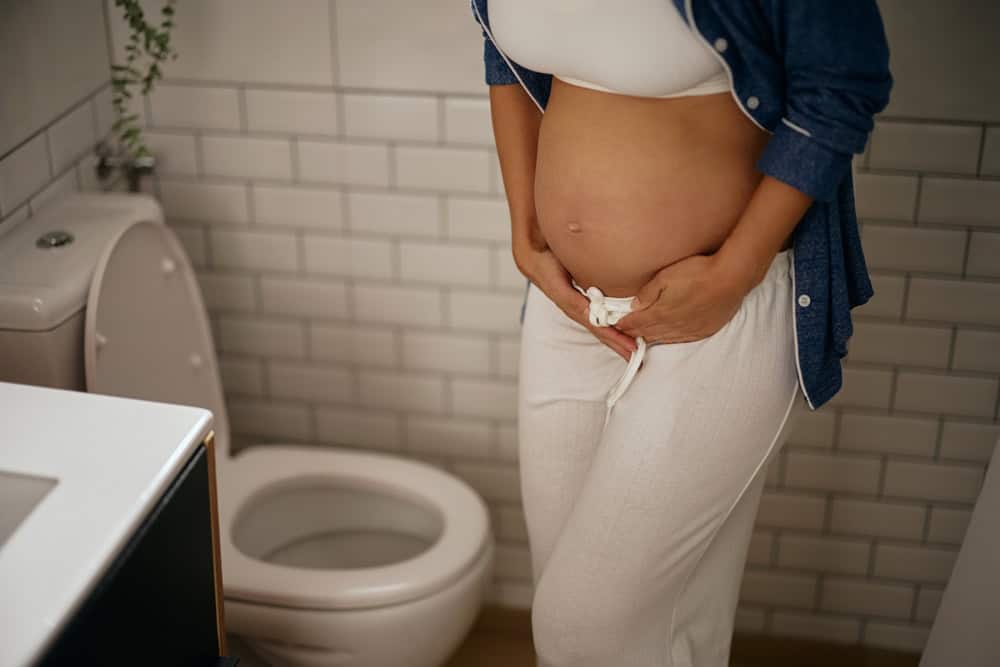
Experiencing urinary leakage after childbirth is common, but it is not something you need to accept as part of recovery. Whether symptoms appear when you cough, exercise, or feel a sudden urge to urinate, they are often linked to changes in pelvic floor strength, coordination, and pressure management following pregnancy and delivery. With the right approach, these changes can be addressed effectively. At Adam Vital Physiotherapy & Rehabilitation Center, we provide a structured, evidence-based pathway as part of Incontinence Treatment, helping you restore control, rebuild strength, and return to daily activities with confidence.
Why Incontinence Occurs After Childbirth
During pregnancy and delivery, the pelvic floor muscles are placed under significant load. They stretch, weaken, and in some cases lose coordination. Hormonal changes can also affect tissue support and muscle responsiveness.
These factors can reduce the ability of the pelvic floor to support the bladder and maintain closure of the urethra, leading to leakage during movement or urgency.
Common Types of Postpartum Incontinence
Postpartum incontinence can present in different ways, depending on how the pelvic floor and bladder have been affected.
Stress Incontinence
Leakage occurs during activities such as coughing, sneezing, lifting, or exercising. This is often linked to reduced pelvic floor support.
Urge Incontinence
A sudden, strong need to urinate that is difficult to delay, sometimes leading to leakage before reaching a bathroom.
Mixed Incontinence
A combination of both stress and urge symptoms, requiring a more tailored approach.
Why Early Rehabilitation Matters
Addressing symptoms early helps restore function more effectively and prevents patterns from becoming long-term. Even if symptoms seem mild, early intervention supports better recovery and confidence.
At Adam Vital Physiotherapy & Rehabilitation Center, we guide you through each stage with clear expectations and measurable progress.
Pelvic Floor Strengthening After Birth
Strengthening the pelvic floor is a key component of recovery. The focus is on restoring both strength and coordination.
Correct Activation
Learning how to activate the pelvic floor correctly is essential. This involves a gentle lifting action without excessive tension in surrounding muscles.
Progressive Strength Building
Exercises progress from gentle activation to longer holds and functional movements, improving endurance and responsiveness.
Timing and Coordination
The ability to activate the pelvic floor during activities such as lifting or coughing is just as important as strength.
Bladder Retraining Strategies
If urgency is a feature, bladder retraining helps improve control over bladder signals.
This involves establishing a structured routine, gradually increasing the time between bathroom visits, and using techniques to manage urgency.
Over time, this reduces sensitivity and improves bladder capacity.
Restoring Core and Breathing Coordination
The pelvic floor works closely with the core and diaphragm. After childbirth, this coordination can be disrupted.
Re-establishing this connection improves pressure management and supports better bladder control during movement.
Breathing Patterns
Coordinating breathing with pelvic floor activation helps reduce strain and improve efficiency.
Core Integration
Gentle core engagement supports stability without excessive pressure on the pelvic floor.
Movement Re-education for Daily Activities
Everyday movements such as lifting your baby, carrying items, or returning to exercise place demands on your body.
Learning how to move with proper alignment, breathing, and pelvic floor support reduces the risk of leakage and supports recovery.
Lifting Techniques
Using controlled breathing and engaging the pelvic floor before lifting helps manage pressure effectively.
Gradual Return to Exercise
Activity levels are increased progressively, ensuring that your body is ready for each stage.
Addressing Lifestyle and Daily Habits
Daily routines can influence recovery and bladder control.
Fluid Intake
Balanced hydration supports bladder health without increasing urgency.
Toilet Habits
Avoiding frequent “just-in-case” visits helps maintain normal bladder capacity.
Managing Fatigue
Postpartum recovery often involves fatigue, which can affect muscle coordination. Pacing activities and allowing recovery time is important.
The Role of Physiotherapy in Postpartum Recovery
At Adam Vital Physiotherapy & Rehabilitation Center, postpartum rehabilitation is tailored to your specific experience, whether you had a vaginal delivery or caesarean section.
We assess how your pelvic floor, core, and movement patterns are functioning and create a plan that supports your goals and lifestyle.
Comprehensive Assessment
We evaluate strength, coordination, and how your body manages pressure during daily activities.
Personalised Rehabilitation Plan
Your programme is designed to progress safely, ensuring that each stage builds on the previous one.
Ongoing Support and Tracking
Progress is monitored through measurable outcomes such as reduced leakage, improved control, and increased confidence.
What to Expect from Recovery
Recovery timelines vary depending on individual factors such as delivery type, symptom severity, and consistency with the programme. Many patients begin to notice improvements within a few weeks.
The focus is on steady, sustainable progress that supports long-term function and performance.
When to Seek Support
If you are experiencing leakage after childbirth, it is important to seek guidance rather than waiting for symptoms to resolve on their own. Early intervention can make a significant difference in your recovery.
Professional support ensures that you are following the right approach for your body and your stage of recovery.
Conclusion
Postpartum incontinence is a common but manageable condition. With the right combination of pelvic floor strengthening, bladder retraining, and movement re-education, you can restore control and return to your daily routine with confidence. At Adam Vital Physiotherapy & Rehabilitation Center, we provide a clear, supportive pathway focused on measurable outcomes and long-term results. The next step is simple. Book an assessment, understand your recovery needs, and begin a plan designed to help you move forward with strength, control, and confidence.
