
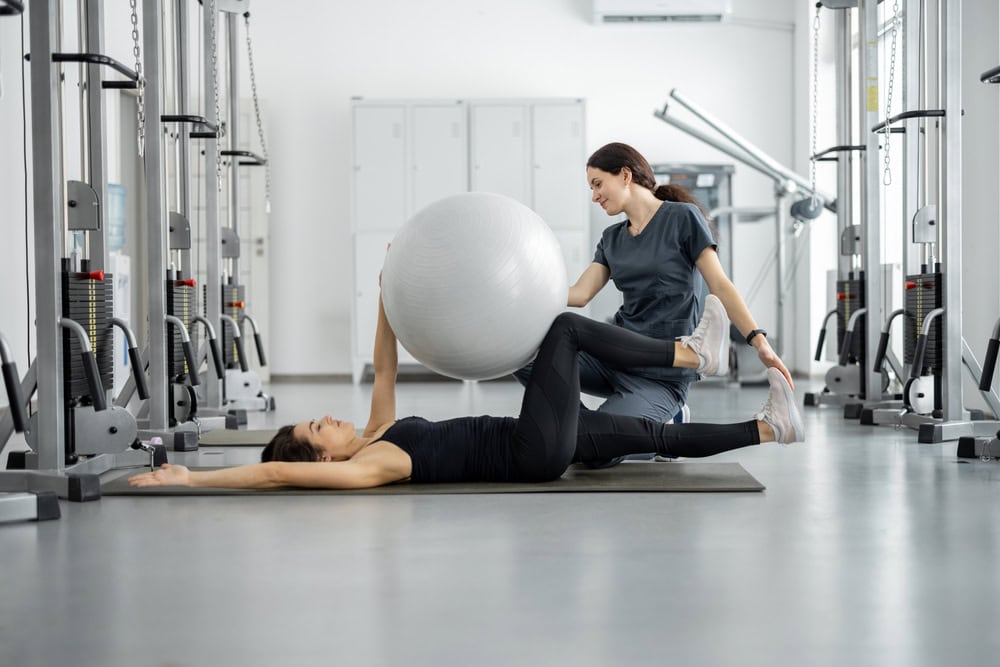
If you have been working on your pelvic floor but are not seeing consistent progress, breathing may be the missing link. Many people focus on strengthening exercises without understanding how the pelvic floor naturally works with the diaphragm and core. When this coordination is disrupted, symptoms such as leakage, tension, or reduced stability can persist. Pelvic Floor Physiotherapy Treatment places strong emphasis on restoring this connection, ensuring your muscles work in a way that is efficient, controlled, and sustainable.
How Breathing and the Pelvic Floor Are Connected
Your pelvic floor does not function in isolation. It works as part of a coordinated system with your diaphragm, abdominal muscles, and deep spinal stabilisers. Together, these structures manage pressure within your abdomen and support movement.
When you inhale, your diaphragm moves downward, and your pelvic floor gently lengthens in response. When you exhale, your diaphragm rises, and your pelvic floor naturally lifts. This rhythm allows your body to manage pressure effectively during both rest and activity.
When this coordination is disrupted, the pelvic floor may become overactive, underactive, or poorly timed. This can affect both control and comfort.
Why Breathing Matters for Pelvic Floor Activation
Improves Muscle Coordination
Effective pelvic floor activation is not about constant contraction. It is about timing. Coordinating your breath with muscle activation ensures that your pelvic floor engages when needed and relaxes when appropriate.
Reduces Excessive Tension
Holding your breath or using shallow breathing patterns can increase pressure within the abdomen. This often leads to unnecessary tension in the pelvic floor, contributing to discomfort or difficulty relaxing the muscles.
Supports Core Stability
Breathing plays a key role in how your core stabilises your body. When the diaphragm and pelvic floor work together, they create a balanced system that supports your spine and improves movement efficiency.
Enhances Exercise Effectiveness
Pelvic floor exercises performed without proper breathing may be less effective. Coordinating breath with movement improves the quality of each contraction and supports better outcomes.
Common Breathing Patterns That Affect the Pelvic Floor
Shallow Chest Breathing
Breathing primarily into the chest limits diaphragm movement. This reduces the natural coordination between the diaphragm and pelvic floor, often leading to increased tension and reduced efficiency.
Breath Holding During Effort
Many people hold their breath when lifting, exercising, or performing pelvic floor exercises. This increases internal pressure and places additional strain on the pelvic floor, which can worsen symptoms over time.
Over-Bracing the Core
Constantly tightening the abdominal muscles without allowing for natural expansion can disrupt pressure management. This may lead to an overactive pelvic floor and reduced ability to relax.
What Proper Breathing Looks Like
Diaphragmatic Breathing
Effective breathing involves allowing the ribcage to expand and the abdomen to gently rise as you inhale. This indicates that the diaphragm is moving fully and the pelvic floor is responding appropriately.
As you exhale, the abdomen softens and the pelvic floor gently lifts without force. This movement should feel natural and controlled rather than exaggerated.
Relaxed and Rhythmic Pattern
Your breathing should remain steady and relaxed, even during movement. This supports consistent coordination between the diaphragm and pelvic floor.
How to Coordinate Breathing with Pelvic Floor Activation
Step-by-Step Approach
Begin by focusing on your breathing without adding muscle contraction. Place your attention on allowing your ribs and abdomen to expand as you inhale and soften as you exhale.
Once this pattern feels natural, introduce a gentle pelvic floor contraction during the exhale. This should feel like a subtle lift rather than a forceful squeeze.
On the inhale, allow the pelvic floor to fully relax. This is just as important as the contraction phase.
Applying It to Movement
As you progress, breathing and pelvic floor activation should be integrated into functional activities. For example, exhaling and gently engaging the pelvic floor when lifting an object, then relaxing as you return to a neutral position.
This ensures that your pelvic floor responds appropriately during real-life tasks.
When Breathing Patterns Need Correction
If you experience symptoms such as pelvic pain, difficulty relaxing the pelvic floor, or persistent leakage despite exercises, your breathing pattern may be contributing to the issue.
Correcting breathing is often a key part of treatment, particularly in cases of overactive pelvic floor muscles. Learning how to release tension and restore natural movement can significantly improve symptoms.
The Role of Physiotherapy
At Adam Vital, breathing assessment is a core part of pelvic floor rehabilitation. Your physiotherapist will evaluate how your diaphragm, pelvic floor, and core are working together.
You will be guided through specific techniques to improve breathing patterns and integrate them with pelvic floor activation. This ensures that exercises are not only effective but also aligned with how your body is designed to function.
Your plan is tailored to your needs, whether the focus is on reducing tension, improving strength, or enhancing coordination.
What Results to Expect
Improving breathing patterns can lead to noticeable changes in how your body feels and functions. Many people experience reduced tension, improved control, and greater ease during movement.
These improvements support other aspects of your rehabilitation, helping you progress more efficiently and with greater confidence.
Integrating Breathing Into Daily Life
The goal is not to think about your breathing constantly, but to develop a pattern that becomes automatic. With practice, coordinated breathing and pelvic floor activation become part of how you move, exercise, and perform daily activities.
This supports long-term function and reduces the risk of recurring symptoms.
Conclusion
Breathing plays a fundamental role in how your pelvic floor functions, influencing strength, coordination, and relaxation. When the diaphragm and pelvic floor work together, your body is able to manage pressure, support movement, and maintain control more effectively. By restoring this connection, pelvic floor exercises become more precise and impactful. If you are experiencing symptoms or not seeing progress with your current approach, a structured assessment can help identify how your breathing is affecting your pelvic floor and guide you toward measurable, lasting improvement.
