
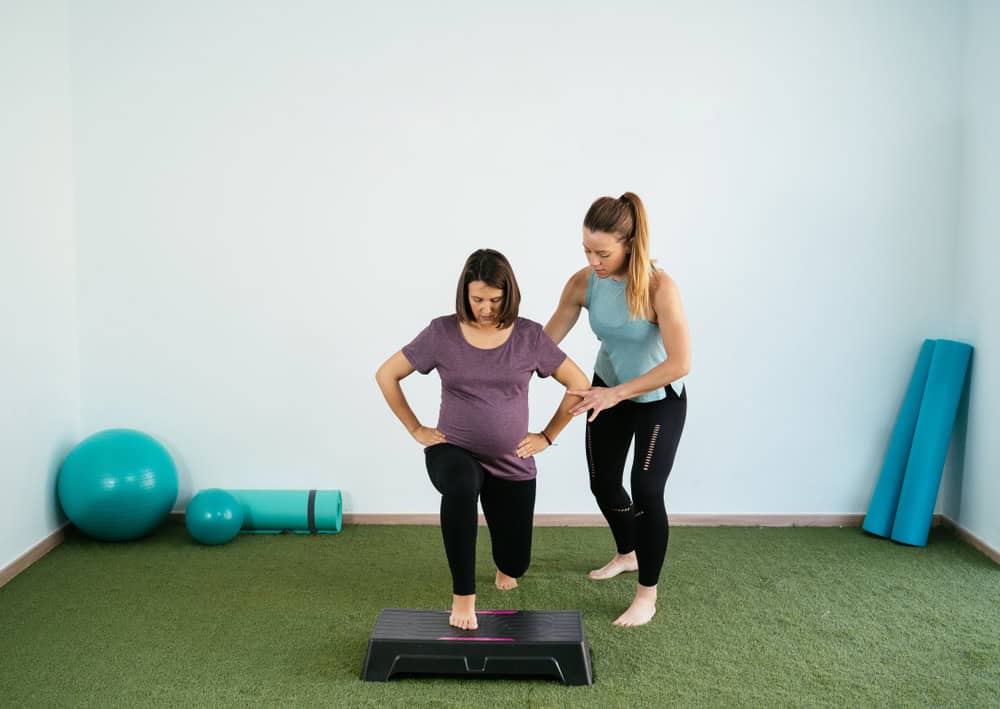
If you are unsure whether your pelvic floor and core muscles are working correctly, real-time ultrasound can provide clear, visual insight into how your body is functioning. Many people perform exercises without knowing if they are activating the right muscles or coordinating them effectively. This can slow progress and lead to frustration. Pelvic Floor Physiotherapy Treatment may include real-time ultrasound as part of assessment and rehabilitation, helping you see exactly what your muscles are doing and guiding more accurate, effective recovery.
What Is Real-Time Ultrasound in Pelvic Rehabilitation
Real-time ultrasound is a non-invasive imaging technique that allows your physiotherapist to observe how your muscles move and respond during activity. A handheld device is placed on the skin, and images are displayed on a screen, showing muscle contraction, relaxation, and coordination in real time.
Unlike imaging used for diagnosis in medical settings, this application focuses on function. It helps assess how your pelvic floor and surrounding muscles behave during breathing, movement, and exercise.
Why Real-Time Ultrasound Is Used
Visualising Muscle Function
One of the main benefits of ultrasound is that it allows you to see your muscles working. This provides immediate feedback on whether you are activating the correct muscles and how effectively they are functioning.
Improving Exercise Accuracy
Many people are unsure if they are performing pelvic floor exercises correctly. Real-time ultrasound removes this uncertainty by showing how your muscles respond to specific cues and movements.
Assessing Coordination
The pelvic floor works in coordination with the diaphragm and abdominal muscles. Ultrasound allows your physiotherapist to assess how these systems interact, particularly during breathing and functional tasks.
Supporting Different Types of Dysfunction
Real-time ultrasound can be used for both underactive and overactive pelvic floor conditions. It helps identify whether muscles are not activating enough, activating too much, or not coordinating effectively.
How Real-Time Ultrasound Works
Placement of the Ultrasound Probe
The ultrasound probe is placed externally on the lower abdomen or pelvic area. A small amount of gel is applied to ensure clear contact and image quality. The process is comfortable and non-invasive.
Live Visual Feedback
As you perform specific movements or exercises, the ultrasound displays how your muscles are responding. You can see changes in muscle position and activity in real time.
This feedback helps you understand what correct activation looks like and how to adjust your technique.
Guided Training
Your physiotherapist will guide you through exercises while using ultrasound to provide feedback. This may include learning how to engage the pelvic floor, coordinate with breathing, or relax the muscles when needed.
The visual element enhances learning and improves the accuracy of each movement.
When Real-Time Ultrasound Is Most Useful
Difficulty Activating the Pelvic Floor
If you are unsure whether you are engaging the correct muscles, ultrasound provides immediate confirmation. This is particularly helpful in the early stages of rehabilitation.
Poor Coordination with Core Muscles
For individuals with coordination issues, ultrasound helps train the timing between the pelvic floor, diaphragm, and abdominal muscles.
Postnatal or Post-Surgical Recovery
After pregnancy or surgery, ultrasound can assess how muscles are recovering and guide safe progression of exercises.
Plateau in Progress
If you are not seeing improvement despite regular exercises, ultrasound can identify whether technique or muscle activation is limiting progress.
Benefits of Real-Time Ultrasound
Non-Invasive and Comfortable
Ultrasound is performed externally and does not require internal assessment. This makes it a suitable option for individuals who prefer a non-invasive approach.
Immediate Feedback
You receive instant visual information about how your muscles are working. This allows for quick adjustments and more effective training.
Enhanced Understanding
Seeing your muscles in action improves your understanding of how your body works. This can increase confidence and engagement in your rehabilitation.
Objective Progress Tracking
Ultrasound can be used to monitor changes in muscle function over time, providing clear evidence of progress.
Common Misconceptions
It Is Only for Diagnosis
While ultrasound is widely used for medical diagnosis, in physiotherapy it is a functional tool. It is used to assess and train muscle activity rather than diagnose conditions.
It Replaces Other Assessments
Ultrasound is one part of a comprehensive assessment. It is used alongside physical evaluation, movement analysis, and clinical reasoning to build a complete picture.
It Is Complicated or Uncomfortable
The process is simple, comfortable, and clearly explained. Most people find it reassuring to see how their muscles are working.
How It Fits Into Your Treatment Plan
At Adam Vital, real-time ultrasound is used when it adds value to your rehabilitation. It is introduced based on your assessment findings and your specific needs.
Your physiotherapist will explain what you are seeing and how it relates to your symptoms. This ensures that you not only perform exercises correctly but also understand why they are important.
As your control improves, exercises are progressed and integrated into functional movements, supporting real-life outcomes.
What Results to Expect
With improved awareness and technique, many people experience faster progress in their rehabilitation. This may include better control, reduced symptoms, and increased confidence in movement.
The timeline depends on the nature of your condition and your consistency with the treatment plan.
When to Consider Real-Time Ultrasound
If you are unsure about your technique, not seeing results, or prefer a visual approach to learning, real-time ultrasound can be a valuable addition to your treatment.
It provides clarity and direction, helping you move forward with confidence.
Conclusion
Real-time ultrasound is a powerful, non-invasive tool that enhances pelvic floor rehabilitation by providing clear, visual feedback on muscle function. It helps improve accuracy, coordination, and understanding, leading to more effective and efficient recovery. When used as part of a structured physiotherapy plan, it supports measurable progress and long-term results. If you are looking for greater clarity in your rehabilitation or want to ensure you are progressing effectively, booking an assessment is the first step toward informed, targeted care.
