
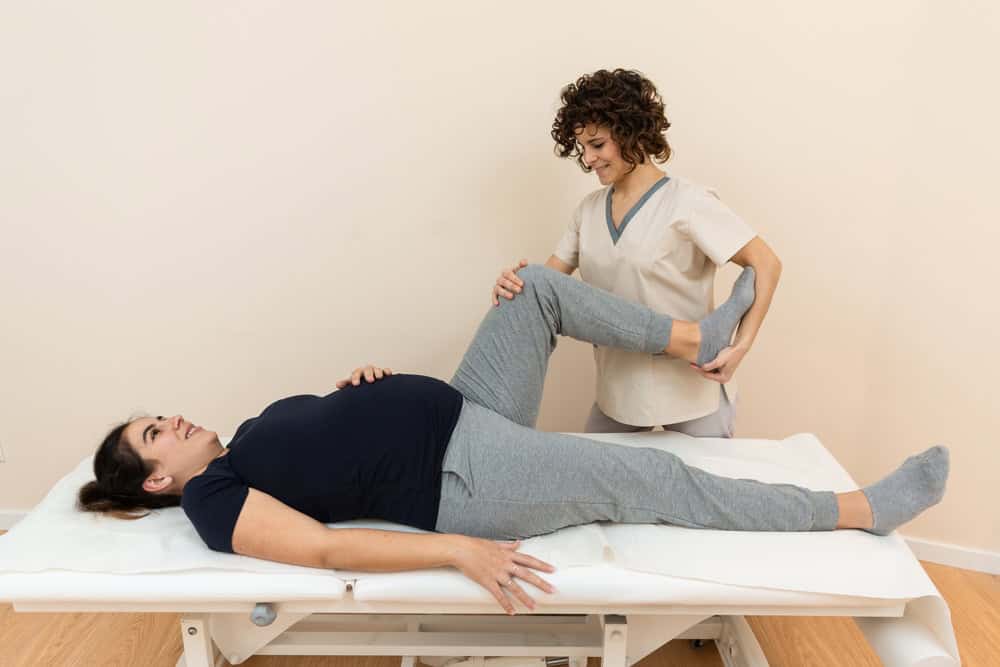
Ongoing discomfort in the lower back, pelvis, or hips can feel frustrating, especially when symptoms persist beyond the initial phase. This is often linked to Pelvic Girdle Pain / SI Joint Pain, where the sacroiliac joint requires consistent support and management over time. Long-term management is not about avoiding activity or relying on short-term fixes. It is about building a system that supports your body, maintains stability, and allows you to move with confidence. At Adam Vital, we focus on structured, evidence-based strategies that help you sustain progress and reduce the risk of recurrence.
Understanding Long-Term SI Joint Pain
When SI joint pain becomes persistent, it is usually not due to a single issue. It reflects a combination of factors such as muscle imbalance, movement patterns, load management, and lifestyle habits. The joint itself may be sensitive, but the surrounding system plays a key role in how symptoms develop and continue.
Long-term management focuses on addressing these contributing factors. The goal is to create a stable, adaptable system that can handle daily demands without triggering pain.
Key Principles of Long-Term Management
Effective long-term management is built on a few core principles that guide your approach.
Consistency Over Intensity
Small, consistent efforts are more effective than occasional high-intensity interventions. Regular movement, exercise, and awareness create lasting change.
Balance Between Activity and Recovery
Staying active is important, but so is allowing your body to recover. Finding the right balance helps prevent overload.
Adaptability
Your body and lifestyle may change over time. Your management approach should be flexible and responsive to these changes.
Awareness of Movement Patterns
Understanding how you move allows you to identify and correct patterns that may contribute to strain.
These principles support a sustainable approach to recovery and performance.
Strength and Stability as a Foundation
Building strength and stability is central to long-term SI joint management.
Core Strength
Your deep core muscles provide essential support for the pelvis. Maintaining their strength and coordination helps reduce strain on the SI joint.
Gluteal Strength
The glutes play a key role in controlling hip and pelvic movement. Strong, well-coordinated glutes improve load distribution.
Pelvic Floor Function
The pelvic floor contributes to stability and works in coordination with the core. Ongoing training supports its function.
Regular exercise targeting these areas helps maintain a stable foundation for movement.
Movement Quality and Control
How you move is just as important as how strong you are.
Efficient Movement Patterns
Learning to move with control and symmetry reduces unnecessary strain on the pelvis.
Transition Control
Activities such as standing up, turning, or lifting should be performed with awareness and coordination.
Functional Integration
Exercises should translate into daily activities, ensuring that improvements are practical and meaningful.
Improving movement quality supports both recovery and performance.
Load Management in Daily Life
Managing how your body handles load is essential for preventing flare-ups.
Gradual Progression
Increase activity levels gradually to allow your body to adapt without becoming overloaded.
Activity Variation
Avoid staying in one position or performing the same movement repeatedly for long periods.
Recognising Early Signs
Pay attention to early signs of fatigue or discomfort and adjust your activity accordingly.
These strategies help maintain progress while reducing the risk of setbacks.
Role of Posture and Daily Habits
Your daily habits influence how your SI joint is loaded over time.
Balanced Posture
Maintaining even weight distribution and avoiding prolonged asymmetrical positions reduces strain.
Ergonomic Adjustments
Simple changes to your workspace or daily setup can improve alignment and comfort.
Consistent Movement
Regular movement throughout the day prevents stiffness and maintains muscle activation.
These habits support long-term joint health.
Managing Flare-Ups
Even with effective management, occasional flare-ups can occur. Knowing how to respond is important.
Reduce Load Temporarily
Adjust your activity levels to avoid further irritation while maintaining gentle movement.
Focus on Control
Return to basic stabilisation exercises to reinforce support around the pelvis.
Gradual Return to Activity
Resume your usual activities progressively as symptoms settle.
Having a clear plan for flare-ups helps maintain confidence and control.
Supportive Tools and Strategies
In some cases, additional support may be helpful as part of long-term management.
Pelvic Belts
These can provide temporary support during periods of increased demand or instability.
Taping Techniques
Taping can enhance movement awareness and provide short-term support.
Manual Therapy
Hands-on treatment may be used to address specific restrictions or discomfort as needed.
These tools are used selectively and always alongside active rehabilitation.
Psychological and Lifestyle Factors
Long-term pain management also involves addressing how pain affects your confidence and behaviour.
Building Confidence in Movement
Understanding your condition and having a clear plan helps reduce fear of movement.
Stress and Recovery
Managing stress and ensuring adequate rest supports overall recovery.
Maintaining Activity Levels
Staying active within your limits supports both physical and mental wellbeing.
A balanced approach supports long-term success.
Tracking Progress and Adjusting Your Plan
Long-term management requires ongoing assessment and adjustment.
Monitoring Symptoms
Tracking how your symptoms respond to activity helps guide your approach.
Progressing Exercises
As your strength and control improve, exercises should be progressed to maintain challenge and adaptation.
Reviewing Movement Patterns
Regular review ensures that improvements are maintained and reinforced.
This structured approach ensures continued progress.
When to Seek Ongoing Support
If your symptoms persist, fluctuate significantly, or limit your ability to stay active, ongoing professional guidance can help. Regular check-ins allow for adjustments to your plan and ensure that you continue to move in the right direction.
At Adam Vital, we provide continuity of care, supporting you through each stage of your recovery and beyond.
Conclusion
Long-term management of SI joint pain is about building a system that supports your body consistently and effectively. By focusing on strength, movement quality, load management, and daily habits, you can reduce symptoms and maintain function over time. At Adam Vital, we guide you through a structured, personalised approach that helps you move with confidence and resilience. If ongoing discomfort is affecting your quality of life, the next step is to book an assessment and begin a plan designed for long-term recovery and performance.
