
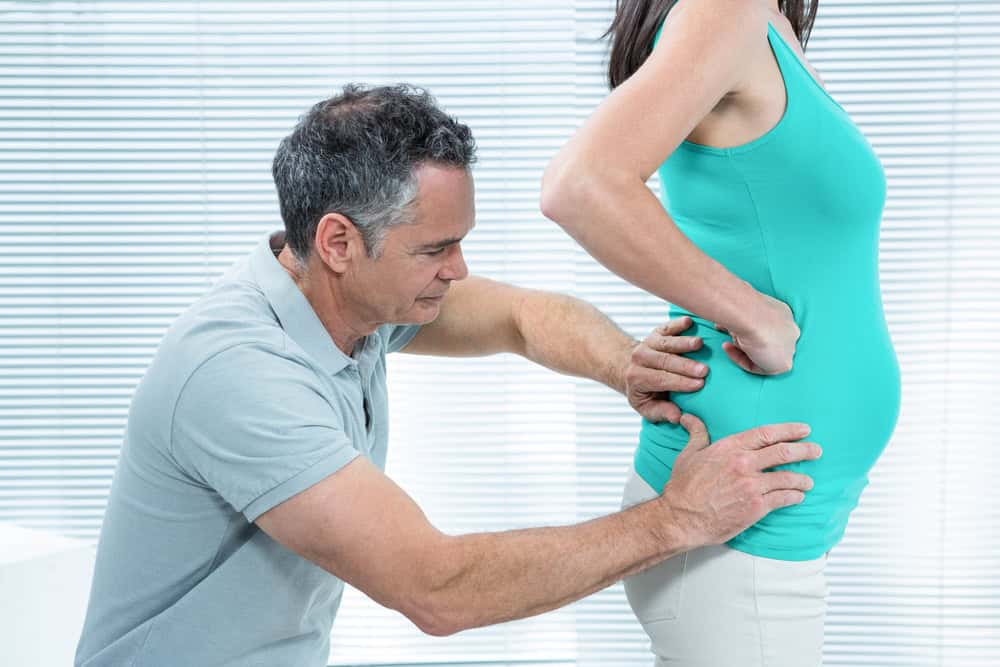
Pelvic pain can be difficult to interpret, especially when symptoms overlap with different conditions. If you are experiencing discomfort in the lower back, hips, or groin, it may be related to Pelvic Girdle Pain / SI Joint Pain, but it is important to understand that not all pelvic pain has the same origin. Differentiating pelvic girdle pain from other pelvic issues is essential for choosing the right treatment and avoiding unnecessary delays in recovery. At Adam Vital, we focus on precise assessment so your care is targeted, clear, and aligned with what your body actually needs.
Why Differentiation Matters
Pelvic pain is not a single diagnosis. It is a symptom that can arise from joints, muscles, nerves, or internal systems. Without proper differentiation, it is easy to misinterpret the cause and follow a treatment approach that does not address the root issue.
For example, joint-related pain requires a different strategy compared to muscle strain or nerve irritation. Understanding the source allows for a structured plan that leads to measurable progress rather than temporary relief.
Key Features of Pelvic Girdle Pain
Pelvic girdle pain is primarily a mechanical condition involving the sacroiliac joints and the pubic symphysis. It is often linked to movement, load, and stability.
Pain Location
Typically felt around the lower back, buttocks, hips, or groin. It may be on one side or both.
Movement-Related Symptoms
Pain often increases with activities such as walking, climbing stairs, standing on one leg, or turning in bed. These are movements that challenge pelvic stability.
Load Sensitivity
Symptoms tend to worsen with uneven loading, such as carrying weight on one side or shifting weight during daily tasks.
Fluctuating Nature
Pain levels can vary depending on activity levels and movement patterns. Some days feel manageable, while others are more limiting.
These features point toward a condition that is influenced by how your body moves and manages load.
Distinguishing Pelvic Girdle Pain from Lower Back Pain
Lower back pain can sometimes mimic pelvic girdle pain, but there are important differences.
Pain Source
Lower back pain often originates from the lumbar spine, including discs, joints, or surrounding muscles.
Movement Patterns
Back pain may increase with bending, prolonged sitting, or spinal movements rather than single-leg loading or pelvic transitions.
Radiating Symptoms
In some cases, lower back conditions can cause pain that travels down the leg, which is less typical for pelvic girdle pain.
Assessment helps determine whether the primary driver is the spine or the pelvic joints.
Distinguishing from Hip Joint Conditions
Hip joint issues can also present with groin or pelvic pain, making differentiation important.
Pain Characteristics
Hip-related pain is often felt deep in the groin and may be associated with stiffness or reduced range of motion.
Movement Triggers
Activities such as squatting, crossing the legs, or rotating the hip may reproduce symptoms.
Range of Motion Limitations
Hip conditions often involve noticeable restrictions in movement, which can be identified during assessment.
In contrast, pelvic girdle pain is more closely linked to stability and load transfer rather than joint restriction.
Distinguishing from Muscle Strain
Muscle strains in the pelvic or hip region can cause localised pain, but the pattern is usually different.
Onset of Symptoms
Muscle strains often have a clear starting point, such as a sudden movement or overexertion.
Localised Pain
The pain is typically specific to one muscle group and may feel tender to touch.
Recovery Pattern
Muscle strains generally improve with rest and gradual return to activity, whereas pelvic girdle pain may persist without targeted intervention.
Understanding this distinction helps avoid underestimating the need for structured rehabilitation.
Distinguishing from Nerve-Related Pain
Nerve irritation can also present as pelvic or lower back pain, but it has distinct characteristics.
Radiating Pain
Nerve-related pain often travels along a specific pathway, such as down the leg.
Sensory Changes
You may experience tingling, numbness, or a burning sensation.
Position-Dependent Symptoms
Certain positions, such as sitting or bending, may increase or relieve symptoms.
Pelvic girdle pain, on the other hand, is less likely to involve these neurological features and is more closely linked to movement and load.
Distinguishing from Pelvic Floor Dysfunction
The pelvic floor plays an important role in stability and function, but dysfunction in this area presents differently.
Internal Sensations
Pelvic floor issues may involve a feeling of heaviness, pressure, or discomfort internally.
Associated Symptoms
There may be symptoms related to bladder or bowel function, or discomfort during specific activities.
Muscle Tension or Weakness
Pelvic floor dysfunction can involve either overactivity or weakness, both of which require specific management.
While pelvic girdle pain can coexist with pelvic floor issues, the primary driver of symptoms differs and requires a tailored approach.
Distinguishing from Pubic Symphysis Pain
Pain at the front of the pelvis, known as pubic symphysis pain, is sometimes grouped with pelvic girdle pain but has its own characteristics.
Location
Discomfort is focused at the front of the pelvis and may radiate into the inner thighs.
Movement Triggers
Activities that involve separating the legs, such as getting out of a car or turning in bed, may be particularly painful.
Although related, this condition requires specific attention to how the front of the pelvis is loaded and stabilised.
How Assessment Provides Clarity
At Adam Vital, differentiation is achieved through a structured and detailed assessment process. This ensures that your diagnosis is accurate and your treatment plan is effective.
Movement Analysis
We assess how you move during functional tasks, identifying patterns that may be contributing to your symptoms.
Joint and Muscle Testing
We evaluate the function of your pelvic joints, spine, hips, and surrounding muscles to determine the primary source of pain.
Symptom Reproduction
Specific tests are used to reproduce your symptoms in a controlled way, helping confirm the underlying cause.
This approach removes uncertainty and allows us to focus on what will make the biggest difference for your recovery.
What This Means for Your Treatment
Once the source of your pelvic pain is clearly identified, treatment becomes more precise and effective. Instead of addressing symptoms in a general way, we target the specific structures and movement patterns involved.
This may include strengthening, movement retraining, load management, and education on how to move confidently in daily life. The goal is always to restore function and reduce limitations, not just reduce pain temporarily.
Conclusion
Pelvic pain can stem from multiple sources, and differentiating pelvic girdle pain from other conditions is essential for effective recovery. By understanding the patterns of pain, movement triggers, and associated symptoms, it becomes possible to identify the true cause and address it with a structured plan. At Adam Vital, we provide clear assessment, targeted treatment, and supportive guidance to help you move forward with confidence. If pelvic pain is affecting your daily life or limiting your movement, the next step is to book an assessment and gain clarity on what your body needs to recover and perform at its best.
