
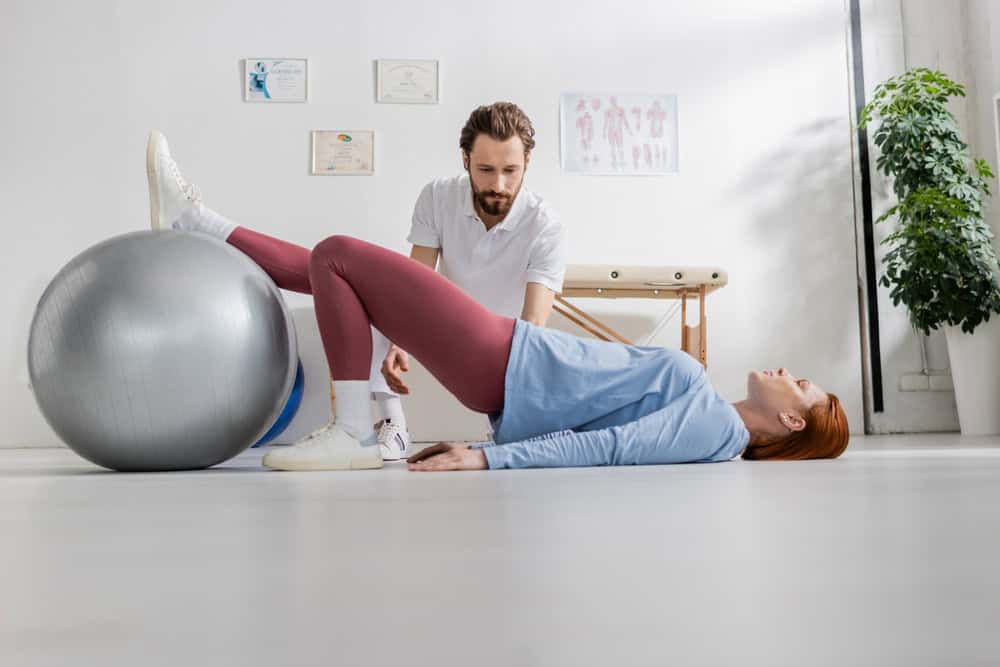
Returning to sexual activity after childbirth is a personal and often uncertain step in recovery. You may have questions about timing, comfort, and what your body is ready for. It is common to experience physical changes such as sensitivity, dryness, or discomfort, as well as emotional factors that influence readiness. With the right guidance and a clear understanding of your body, this transition can be approached safely and confidently. Many women explore this stage through Postnatal Physiotherapy, where assessment and support focus on restoring pelvic floor function, reducing discomfort, and helping you return to intimacy in a way that feels comfortable and controlled.
Understanding Physical Changes After Birth
Your body goes through significant changes during pregnancy and delivery, and recovery continues well into the postnatal period. These changes can affect how you experience sexual activity.
You may notice:
- Sensitivity or discomfort in the perineal or vaginal area
- Dryness due to hormonal changes
- Reduced pelvic floor strength or control
- A feeling of tightness or, in some cases, reduced sensation
These responses are common and often improve with time and the right support.
Timing and Readiness
There is no fixed timeline for returning to sexual activity. While some general medical guidance suggests waiting until initial healing has occurred, true readiness depends on your individual recovery.
Physical Readiness
Your body should feel comfortable during daily activities, with no ongoing pain, significant swelling, or signs of incomplete healing. Pelvic floor function should be sufficient to support movement without discomfort.
Emotional Readiness
It is equally important to feel mentally and emotionally prepared. Fatigue, stress, and adjustment to new routines can all influence your readiness. Taking time to feel comfortable is part of the process.
Both physical and emotional readiness should guide your decision.
Managing Discomfort and Sensitivity
Discomfort during early attempts at sexual activity is not uncommon, but it should be manageable and improve over time.
Addressing Dryness
Hormonal changes, particularly if you are breastfeeding, can reduce natural lubrication. Using appropriate support can improve comfort and reduce friction.
Gradual Reintroduction
Taking a gradual approach allows your body to adapt. Starting with gentle, controlled movements and progressing at your own pace helps reduce discomfort.
Listening to your body and adjusting accordingly is key.
The Role of the Pelvic Floor
Your pelvic floor plays a central role in comfort and function during sexual activity. After birth, these muscles may be weak, tight, or uncoordinated.
Weakness and Reduced Support
If the pelvic floor is weak, you may experience reduced control or sensation. Strengthening helps restore support and function.
Tightness and Overactivity
In some cases, the pelvic floor may be overly tense, leading to discomfort or pain. Learning how to relax these muscles is just as important as strengthening them.
Balanced function is essential for comfort.
Restoring Pelvic Floor Function
Targeted rehabilitation can improve how your pelvic floor functions, supporting a more comfortable return to sexual activity.
Controlled Activation and Relaxation
Exercises should focus on both engaging and releasing the muscles. This improves coordination and reduces discomfort.
Progressive Strengthening
Building strength and endurance helps your pelvic floor respond effectively during activity.
Progression should be guided and based on your response.
Addressing Scar Tissue and Tissue Sensitivity
If you have experienced perineal tearing or a C-section, scar tissue may influence comfort.
Improving Tissue Mobility
Gentle techniques can help reduce tightness and improve flexibility in the affected area.
Reducing Sensitivity
Gradual desensitisation helps your body adapt and reduces discomfort over time.
These approaches support more comfortable movement and function.
Communication and Confidence
Returning to sexual activity is not only a physical process. Communication and confidence play an important role.
Open Communication
Discussing your comfort level and any concerns with your partner helps create a supportive environment. This reduces pressure and allows you to progress at your own pace.
Building Confidence
As your body recovers and your symptoms improve, your confidence in movement and function should increase. This supports a more positive experience.
Taking a gradual and supportive approach helps build trust in your body again.
Common Concerns to Be Aware Of
While some discomfort is normal initially, certain symptoms should not be ignored.
- Persistent pain during or after activity
- Significant tightness that does not improve
- Ongoing dryness or irritation
- Concerns about healing or function
These are signs that your body may benefit from targeted support.
What Progress Should Feel Like
As your body recovers, you should notice improved comfort, reduced sensitivity, and greater confidence in movement. Experiences should feel more natural and less restricted over time.
Progress may be gradual, but consistent improvement is expected with the right approach.
The Role of Professional Guidance
Returning to sexual activity after birth is highly individual. Assessment helps identify any physical factors that may be contributing to discomfort and guides appropriate treatment.
Guided support provides:
- Personalised advice based on your recovery stage
- Targeted pelvic floor rehabilitation
- Techniques to improve tissue mobility and comfort
This approach ensures that your recovery is safe, supportive, and effective.
Taking the Next Step
If you feel unsure about returning to sexual activity or are experiencing discomfort, the most effective next step is to begin with a structured assessment. This provides clarity and a plan that supports your recovery.
At Adam Vital, we guide you step by step, focusing on restoring pelvic floor function, improving comfort, and helping you return to intimacy with confidence. Your plan is tailored to your body and your needs.
Returning to sexual activity is not about rushing the process. It is about understanding your body, supporting recovery, and moving forward at a pace that feels right for you. With the right guidance, this transition can be both comfortable and positive.
