
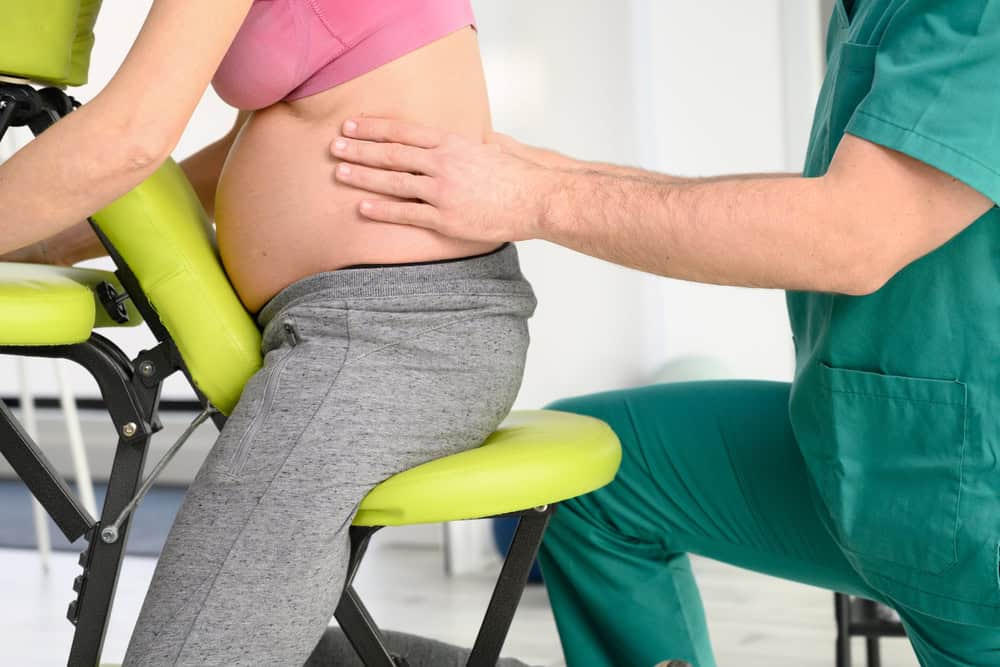
As your pregnancy progresses, changes in your body can begin to affect how you stand, sit, and move. Many women notice increased lower back discomfort, pelvic pressure, or a feeling of instability during daily activities. These changes are closely linked to pelvic alignment and posture. With the support of Pregnancy Physiotherapy, you can understand how your body is adapting and learn how to maintain alignment in a way that reduces strain and supports comfortable movement throughout pregnancy.
Understanding Pelvic Alignment During Pregnancy
Your pelvis plays a central role in supporting your spine, transferring load through your body, and adapting to the physical demands of pregnancy. As your baby grows, your center of gravity shifts forward. This often leads to an increased arch in the lower back and a forward tilt of the pelvis.
At the same time, hormonal changes increase joint laxity, particularly in the pelvic region. This is a natural preparation for childbirth, but it can also reduce stability if not supported properly.
When pelvic alignment is not well controlled, it can lead to uneven loading across joints and muscles. This is often experienced as discomfort in the lower back, hips, or pelvic area.
Common Postural Changes in Pregnancy
Increased Lumbar Curve
As your abdomen grows, your lower back may arch more than usual. This can place additional pressure on the lumbar spine and surrounding muscles, leading to fatigue and discomfort.
Anterior Pelvic Tilt
The pelvis may tilt forward as your posture adapts to the weight of the baby. This position can shorten certain muscle groups while overstretching others, reducing overall stability.
Rounded Shoulders and Upper Back Tension
Changes in breast size and posture can cause the shoulders to round forward. This often leads to tension in the neck and upper back, especially if not addressed early.
Shifted Weight Distribution
You may notice that your weight shifts more onto one side or that your walking pattern changes. This can increase strain on one side of the pelvis and contribute to imbalance.
Why Pelvic Alignment Matters
Pelvic alignment is not only about posture. It directly affects how your muscles work, how forces are distributed through your body, and how comfortable you feel during daily activities.
When alignment is well managed, your body moves more efficiently. Muscles can support your joints effectively, and unnecessary strain is reduced. This can help prevent or reduce common pregnancy-related issues such as pelvic girdle pain, lower back pain, and hip discomfort.
Good alignment also supports your ability to stay active, which plays a key role in overall recovery and preparation for birth.
The Role of Muscles in Pelvic Stability
Core Muscles
Your deep core muscles help stabilise your spine and pelvis. During pregnancy, these muscles need to adapt to changes in pressure and load. Effective activation and coordination are more important than strength alone.
Pelvic Floor
The pelvic floor works closely with the core to support the pelvis and manage pressure. Changes in posture can affect how these muscles function, which is why alignment and muscle coordination are closely linked.
Gluteal Muscles
The muscles around your hips play a key role in controlling pelvic movement. Weakness or poor activation in this area can lead to instability and increased strain on the pelvis and lower back.
Signs Your Alignment May Need Support
You may benefit from guidance if you experience persistent lower back pain, pelvic discomfort when walking or standing, difficulty maintaining good posture, or a feeling of instability during movement. These are common during pregnancy, but they are not something you need to ignore or accept without support.
Early intervention helps prevent these issues from becoming more limiting as your pregnancy progresses.
Improving Posture in Daily Activities
Standing
When standing, aim to keep your weight evenly distributed between both feet. Avoid locking your knees or leaning heavily into one hip. A neutral spine position, where your ribs are aligned over your pelvis, helps reduce strain.
Sitting
Choose a supportive chair and avoid slouching. Keeping your feet flat on the floor and your back supported helps maintain alignment and reduces pressure on your lower back.
Walking
Focus on controlled, even steps rather than long strides. Maintaining a steady rhythm and avoiding excessive sway can help reduce pelvic strain.
Sleeping Positions
Side-lying positions with appropriate support between the knees can help maintain pelvic alignment during rest. This reduces pressure on the hips and lower back.
The Value of a Structured Approach
Posture and alignment are not corrected by simple advice alone. They require a structured approach that considers your individual movement patterns and physical changes.
Detailed Assessment
A proper assessment identifies how your body is currently moving and where imbalances may exist. This provides a clear starting point for targeted support.
Targeted Exercise and Movement Training
Exercises are designed to improve muscle coordination, support alignment, and reduce strain. These are specific to your needs and adapted as your pregnancy progresses.
Ongoing Guidance
As your body continues to change, your posture and movement strategies should evolve. Regular guidance ensures that you stay on track and continue to progress safely.
Preparing for Birth and Recovery
Maintaining good pelvic alignment during pregnancy supports not only comfort but also preparation for delivery. A well-aligned pelvis allows for more efficient movement and positioning during labour.
It also contributes to a smoother recovery after birth. When your body has maintained strength and coordination, it is better equipped to return to normal function and activity levels.
Taking the Next Step
If you are experiencing discomfort, changes in posture, or uncertainty about how to move safely, a structured assessment can provide clarity. Understanding your alignment and how to support it allows you to stay active with confidence.
With a personalised plan, you can reduce strain, improve stability, and move more comfortably throughout your pregnancy. This approach focuses on practical, measurable progress that supports both your current needs and your long-term recovery.
Conclusion
Pelvic alignment and posture play a key role in how your body adapts to pregnancy. When supported correctly, they help reduce pain, improve movement, and maintain stability as your body changes. With clear guidance and a tailored approach, you can move through your pregnancy with greater comfort and confidence, knowing that your body is being supported at every stage.
