
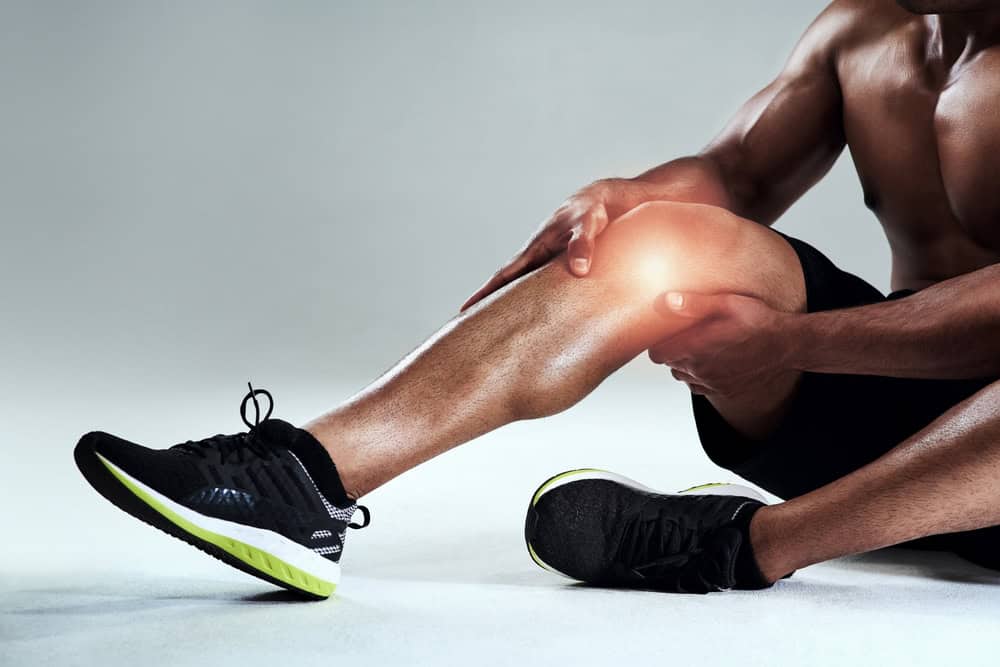
Knee osteoarthritis can gradually change how you move, walk, and stay active, often bringing stiffness, pain, and reduced confidence with everyday tasks such as stairs or longer walks. Many people worry that exercise will worsen symptoms, yet the opposite is usually true when it is guided and appropriate. A structured approach through Knee Pain Physiotherapy uses targeted exercise to reduce pain, improve function, and help you stay independent and active for longer.
Understanding knee osteoarthritis and movement
Knee osteoarthritis involves gradual changes to joint cartilage, surrounding bone, and soft tissues. These changes can lead to pain, swelling, stiffness, and reduced movement tolerance. While structural changes cannot be reversed, symptoms and function can improve significantly when movement quality, strength, and load management are addressed correctly.
Why exercise is central to management
Exercise is one of the most effective tools for managing knee osteoarthritis. It improves muscle support around the joint, reduces joint stress during movement, and enhances confidence in daily activities. Avoiding movement often leads to further weakness and stiffness, which can increase pain over time.
Principles of a safe knee osteoarthritis exercise program
An effective program is built around safety, progression, and consistency. The aim is not to push through pain, but to build tolerance gradually while respecting your current capacity.
Individualised starting point
Every knee responds differently. Your starting exercises depend on pain levels, mobility, strength, body weight, and daily demands. What matters most is choosing exercises you can perform with good control and minimal symptom flare up.
Consistency over intensity
Regular, moderate exercise delivers better results than occasional high intensity sessions. Consistency allows tissues to adapt and pain sensitivity to reduce gradually.
Monitoring symptoms
Mild discomfort during or after exercise can be normal. Pain that escalates sharply or persists into the next day suggests the load needs adjustment. Listening to these signals keeps progress steady.
Key components of the exercise program
A well rounded program addresses strength, mobility, control, and general activity tolerance.
Strengthening exercises
Strengthening the muscles around the knee reduces joint load and improves stability. The quadriceps play a major role in absorbing forces during walking, stairs, and standing from sitting. Hamstrings and gluteal muscles support knee alignment and movement efficiency.
Exercises may begin with supported movements such as seated leg extensions, sit to stand practice, or gentle step ups. Resistance is increased gradually using body weight, bands, or light external load as tolerance improves.
Hip and core support
Strong hips and trunk muscles help control how force travels through the knee. Weakness in these areas can increase joint stress during everyday tasks. Targeted exercises improve balance, reduce compensations, and enhance overall movement confidence.
Range of motion and flexibility
Stiffness is a common feature of knee osteoarthritis, particularly after rest. Gentle range of motion exercises help maintain joint mobility and reduce the sensation of tightness. Flexibility work for the quadriceps, hamstrings, and calves supports smoother movement and reduces strain.
Balance and control training
Joint changes can affect balance and confidence on uneven surfaces. Simple balance exercises improve joint awareness and reduce the risk of falls. These exercises are progressed carefully to remain safe and achievable.
Cardiovascular activity and joint health
General physical activity supports weight management, circulation, and overall wellbeing. Low impact options are often well tolerated and beneficial.
Low impact aerobic exercise
Walking on level ground, cycling, swimming, or using an elliptical trainer can improve endurance without excessive joint stress. The duration and intensity are adjusted to avoid symptom flare ups.
Activity pacing
Breaking activity into manageable periods helps maintain movement without overwhelming the knee. This approach supports long term adherence and confidence.
Progression and adaptation over time
As strength and tolerance improve, exercises are progressed to continue building capacity. Progression may involve increasing repetitions, resistance, or functional challenge rather than adding complexity too quickly.
Functional strengthening
Exercises are linked to real life tasks such as stairs, rising from chairs, carrying loads, or longer walks. This ensures gains translate directly into improved daily function.
Managing flare ups
Flare ups can occur, especially during periods of increased activity or stress. Temporary adjustment of exercise intensity, rather than stopping altogether, helps maintain momentum while allowing symptoms to settle.
What results typically look like
Many people notice reduced stiffness and improved ease of movement within a few weeks. Over time, pain episodes become less intense and less frequent. Improvements are measured through walking tolerance, stair comfort, strength gains, and confidence rather than pain elimination alone.
Long term joint care and independence
Exercise is not a short term fix but a long term strategy for joint health. Maintaining strength and activity levels helps slow functional decline and supports independence. Education around load management and movement habits empowers you to manage symptoms proactively.
Your next step
If knee osteoarthritis is limiting your movement or confidence, a guided exercise program provides clarity and structure. With a personalised plan, clear progression, and supportive coaching, movement becomes safer and more comfortable again. Book an assessment to begin an exercise pathway focused on strength, function, and sustained independence.
