
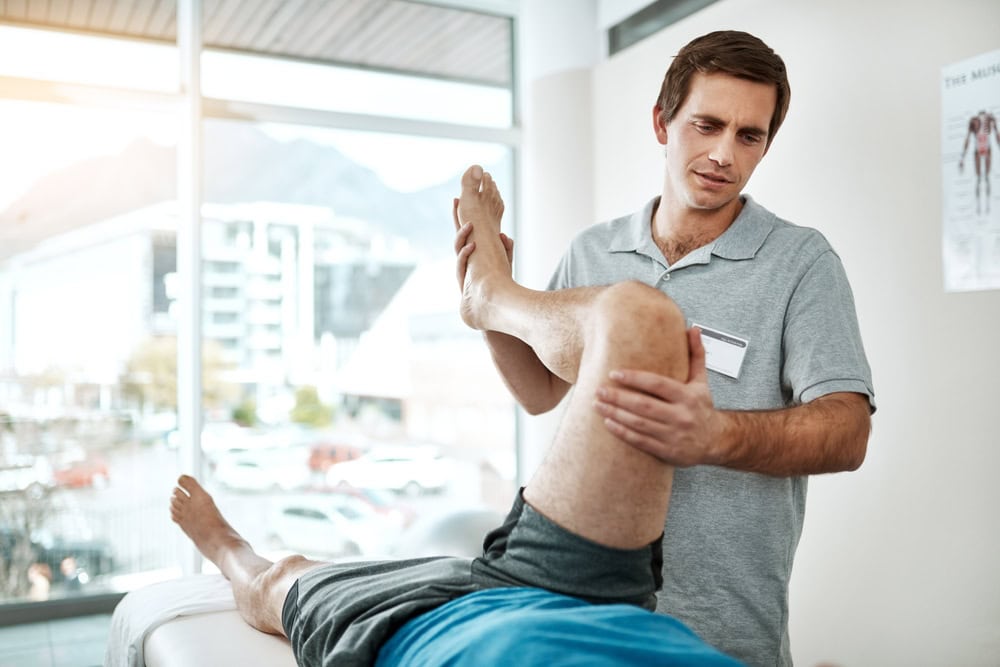
Knee instability can make simple movements feel uncertain, from walking on uneven ground to standing up from a chair or returning to sport. This lack of confidence is often linked to reduced strength and control rather than damage alone. A structured strengthening approach, guided through Knee Pain Physiotherapy, focuses on improving how the knee is supported during movement so you can move with stability, confidence, and reduced risk of re injury.
Why knee stability depends on strength
The knee relies on muscles above and below the joint to control movement and absorb load. Ligaments provide passive support, but day to day stability comes from active muscle control. When strength or coordination is reduced, the knee is forced to rely on passive structures, increasing strain and the sensation of giving way.
Key muscle groups that support knee stability
Effective strengthening targets the entire lower limb rather than the knee in isolation. Balanced strength allows forces to be distributed efficiently during walking, stairs, lifting, and sport.
Quadriceps muscles
The quadriceps are essential for controlling knee bending and straightening. They absorb load during stairs, sitting down, and deceleration tasks. Weakness here is commonly linked to instability and anterior knee discomfort.
Hamstrings muscles
The hamstrings support knee stability by controlling forward movement of the shin and assisting with dynamic balance. They work closely with the quadriceps to guide smooth, controlled motion.
Gluteal and hip muscles
Strong hips help align the knee during movement. Reduced hip control can allow the knee to drift inward during squatting or walking, increasing joint stress and instability sensations.
Calf muscles
The calves contribute to shock absorption and help control forward movement of the body over the foot. Adequate calf strength supports stable walking and stair control.
Principles of effective strengthening
Strengthening for knee stability is not about doing more exercises but doing the right exercises in the right way. Quality and progression matter more than intensity alone.
Control before load
Exercises should be performed with good alignment and control before resistance is increased. Poor technique reinforces faulty movement patterns that can worsen symptoms.
Progressive loading
Muscles adapt when load is increased gradually. Progression may involve more repetitions, increased resistance, or more challenging positions rather than sudden jumps in difficulty.
Consistency and patience
Strength gains take time. Regular practice leads to more reliable improvements than sporadic high effort sessions. Stability improves as strength and coordination develop together.
Foundational strengthening exercises
Early stage exercises focus on activating key muscles and building baseline strength without provoking symptoms.
Quadriceps activation exercises
Simple movements such as supported knee extensions or controlled sit to stand practice help restore quadriceps strength. These exercises improve knee control during everyday tasks.
Hamstring strengthening
Bridges and controlled bending movements target the hamstrings while promoting pelvic stability. These exercises support balanced knee control and reduce strain during walking and lifting.
Hip strengthening exercises
Side lying leg lifts, supported single leg stance, and controlled step outs strengthen the gluteal muscles. Improved hip strength reduces inward knee movement and enhances stability.
Progressing toward functional strength
As baseline strength improves, exercises become more functional and task specific.
Closed chain exercises
Exercises where the foot remains in contact with the ground, such as squats or step ups, train the knee to manage real world loads. These movements improve coordination across the entire lower limb.
Single leg strengthening
Single leg exercises challenge balance and control, closely reflecting walking and running demands. Progression is gradual to maintain safety and confidence.
Controlled directional movements
Adding gentle changes in direction or controlled lunging prepares the knee for more dynamic tasks while maintaining alignment and strength.
Balance and neuromuscular training
Stability is not only about strength but also about how quickly and accurately muscles respond to movement demands.
Proprioceptive training
Balance exercises improve joint awareness and reflexive control. This helps the knee respond efficiently to unexpected changes in surface or direction.
Coordination under load
Combining strength with balance tasks builds resilience. These exercises prepare the knee for daily unpredictability and reduce the risk of giving way.
Integrating strengthening into daily life
Strength gains are most valuable when they translate into improved function outside the exercise setting.
Linking exercises to activities
Strengthening is linked to tasks such as stairs, prolonged standing, or returning to sport. This ensures improvements carry over into meaningful movement.
Managing symptoms during training
Mild muscle effort and fatigue are expected. Sharp pain or swelling indicates the need to adjust load or technique. Monitoring these responses keeps progress steady.
What progress typically looks like
Early improvements often include feeling steadier during walking and stairs. Over time, movements feel more controlled, and confidence increases. Strength gains are reflected in improved endurance, reduced pain episodes, and greater trust in the knee.
Maintaining knee stability long term
Ongoing strength work supports lasting stability, particularly during periods of increased activity or training. Regular maintenance exercises help prevent recurrence and support joint health.
Your next step
If knee instability or weakness is affecting your movement, a guided strengthening program provides structure and clarity. With targeted exercises, progressive loading, and supportive coaching, stability can be rebuilt safely and effectively. Book an assessment to begin strengthening your knee for confident, reliable movement.
