
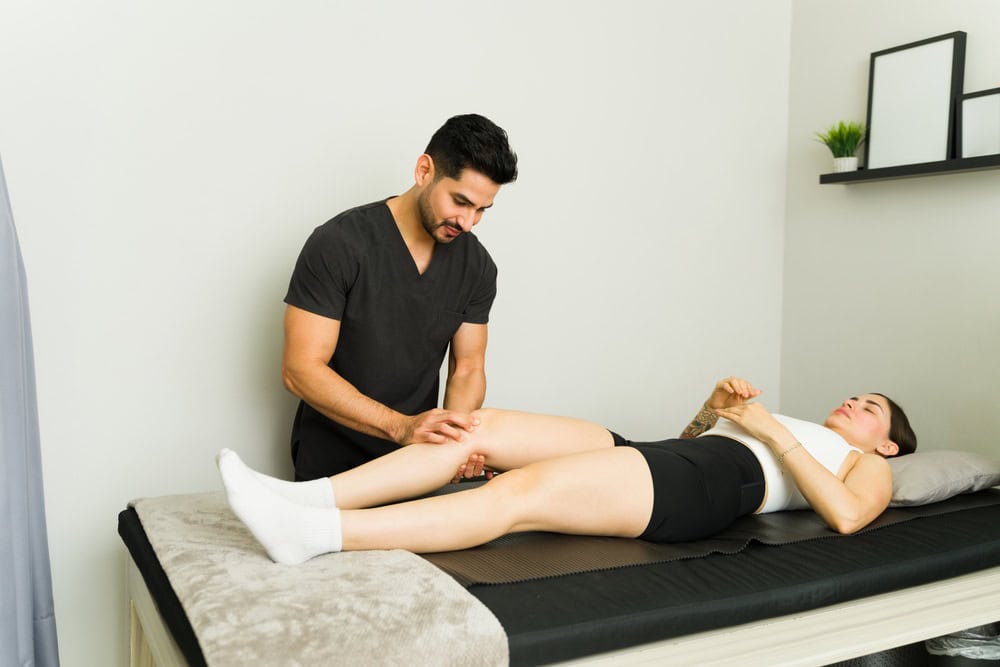
Returning to sport after a knee injury is a major milestone, but it is also one of the highest risk phases of recovery if rushed or poorly guided. Many athletes feel physically better before the knee is truly ready to handle speed, force, and unpredictability. A structured return to sport process, delivered through Knee Pain Physiotherapy, focuses on restoring strength, control, and confidence so you return prepared, not just hopeful.
Why return to sport requires more than pain relief
Pain reduction is only one marker of recovery. Sport places high demands on the knee through jumping, cutting, acceleration, deceleration, and contact. Even when pain is minimal, deficits in strength, coordination, or reaction time can remain. Returning without addressing these factors increases the risk of re injury and ongoing performance limitations.
Common challenges during the return to sport phase
The transition from rehabilitation to full sport is often where problems arise. Understanding these challenges helps prevent setbacks.
Residual strength asymmetry
After injury or surgery, the injured leg often remains weaker despite feeling functional. Small strength differences can significantly affect landing control and change of direction mechanics.
Reduced movement confidence
Fear of re injury is common and can subtly alter movement patterns. Hesitation during sport increases joint stress and reduces performance efficiency.
Incomplete load preparation
Gym based strength alone does not prepare the knee for the chaotic demands of sport. Without progressive exposure to sport specific loads, tissues may not tolerate real game situations.
Principles of a safe return to sport process
Effective return to sport follows clear principles that prioritise readiness over timelines.
Criteria based progression
Progression is guided by meeting specific strength, movement, and control benchmarks rather than a fixed number of weeks. This ensures the knee is capable of handling increased demands.
Gradual exposure to complexity
Sport demands are layered gradually, starting with predictable movements and progressing toward reactive and high speed tasks. This builds resilience while maintaining confidence.
Whole body preparation
The knee does not function in isolation. Hip strength, trunk control, and ankle function are all addressed to support efficient force transfer and reduce joint overload.
Key phases of return to sport rehabilitation
While individual programs vary, return to sport typically follows a staged progression.
Strength and capacity restoration
This phase ensures the knee and surrounding muscles can tolerate load. Quadriceps, hamstrings, gluteals, and calves are strengthened to restore symmetry and endurance. Strength is assessed under controlled conditions before progressing.
Movement quality and control
Attention shifts to how you move. Squatting, stepping, landing, and pivoting mechanics are refined to ensure good alignment and shock absorption. Quality takes priority over speed or intensity.
Running and acceleration
For field and court sports, return to running is structured and progressive. Straight line running is introduced first, followed by acceleration, deceleration, and directional changes once control is demonstrated.
Jumping and landing mechanics
Jumping places significant load on the knee. Rehabilitation includes controlled plyometric exercises that focus on symmetrical take off, soft landings, and knee alignment.
Agility and sport specific drills
Sport specific movements such as cutting, pivoting, or rapid directional changes are reintroduced gradually. These drills replicate game demands while allowing technique and tolerance to be monitored.
Objective testing and readiness markers
Return to sport decisions should be supported by objective measures rather than subjective feeling alone.
Strength testing
Strength comparisons between limbs help identify lingering deficits. Adequate symmetry reduces injury risk and improves performance confidence.
Functional performance tests
Hop tests, agility drills, and endurance tasks assess how the knee performs under dynamic conditions. These tests highlight areas needing further work.
Movement analysis
Observing how you land, cut, and decelerate provides insight into joint control and injury risk. Small corrections at this stage can prevent major setbacks.
The psychological side of returning to sport
Physical readiness does not automatically translate into mental readiness. Fear, hesitation, or lack of trust in the knee can affect performance and safety.
Rebuilding confidence
Gradual exposure to challenging movements in a controlled environment helps rebuild trust. Clear feedback and successful repetition reinforce confidence.
Managing expectations
Performance may not immediately match pre injury levels. Understanding that performance improves with continued exposure reduces frustration and anxiety.
Common mistakes to avoid
Certain errors frequently delay successful return to sport.
Returning based on time alone
Calendars do not reflect tissue readiness. Returning too early based on time since injury or surgery increases re injury risk.
Skipping sport specific preparation
Strength without sport specific movement leaves a gap in readiness. Both are required for safe return.
Ignoring early warning signs
Persistent swelling, pain after sessions, or loss of confidence are signals that progression needs adjustment rather than being pushed through.
What successful return to sport feels like
A successful return feels controlled rather than forced. Movements feel responsive, confidence improves, and recovery between sessions is predictable. The knee tolerates increasing load without lingering symptoms.
Long term injury prevention
Ongoing strength, movement quality, and load management reduce the risk of future injury. Regular maintenance exercises and awareness of fatigue help protect knee health throughout the season.
Your next step
If you are aiming to return to sport after a knee injury, a structured, criteria driven plan provides clarity and safety. With targeted progression, objective testing, and supportive guidance, you can return prepared to perform rather than simply hoping for the best. Book an assessment to begin a confident, well guided return to sport pathway.
