
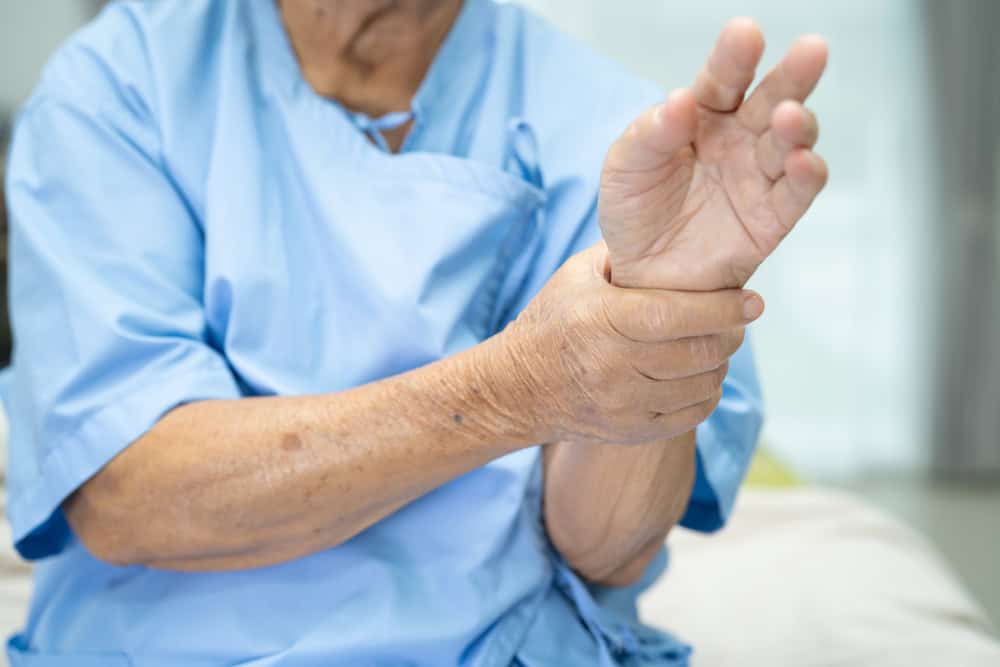
When joints feel painful, unstable, or unpredictable during movement, supportive strategies can help bridge the gap between discomfort and confident activity, which is why kinesio taping is sometimes used within Arthritis / Osteoarthritis Physiotherapy to support movement, reduce symptom irritation, and reinforce correct joint mechanics during daily life and rehabilitation.
What kinesio taping is
Kinesio taping involves applying a flexible, elastic tape to the skin in specific patterns to support joints and surrounding tissues without restricting movement. Unlike rigid taping, kinesio tape is designed to move with your body, allowing normal joint motion while providing gentle guidance and sensory feedback.
The tape does not correct joint structure or treat arthritis itself. Its role is supportive and complementary, helping improve how a joint feels and functions during movement.
Why taping can help in arthritis
In osteoarthritis, pain and stiffness often change how muscles activate and how confident a person feels moving a joint. These changes can increase joint stress even during simple activities.
Kinesio taping can help by influencing muscle activity, improving awareness of joint position, and reducing protective tension around painful areas.
Effects on pain and joint awareness
The benefits of kinesio taping are largely related to how the nervous system responds to movement.
Improved joint position awareness
The tape provides constant sensory input through the skin. This input helps the nervous system better detect joint position and movement, improving control and reducing awkward or guarded patterns.
Reduced pain sensitivity
By altering sensory signals, taping can reduce the intensity of pain perception for some people, making movement feel more comfortable and less threatening.
Support without restriction
Because the tape stretches with movement, it supports joints without limiting range of motion, which is important in arthritis management.
Supporting muscle function around arthritic joints
Muscle weakness or delayed activation often contributes to joint overload.
Facilitating muscle engagement
Taping can encourage timely muscle activation, particularly in muscles that provide joint stability, such as the quadriceps around the knee or the shoulder stabilisers.
Reducing excessive muscle guarding
In some cases, tape is used to calm overactive muscles that contribute to stiffness and fatigue, allowing smoother movement.
Common joints where taping is used
Kinesio taping can be applied to several joints affected by osteoarthritis, depending on symptoms and movement challenges.
Knee osteoarthritis
Taping may support kneecap tracking, reduce discomfort during walking or stairs, and improve confidence in knee movement.
Shoulder and hand arthritis
In the upper limb, taping can support joint positioning during reaching, gripping, or repetitive tasks.
Spinal and hip involvement
For the spine or hips, taping may assist posture awareness and muscle engagement during prolonged sitting or standing.
What kinesio taping is not
It is important to have realistic expectations.
Kinesio taping does not rebuild cartilage, realign joints permanently, or replace strengthening and mobility work. Its effects are typically temporary and vary between individuals.
Relying on tape alone without addressing strength, movement control, and daily habits limits long-term benefit.
How taping fits into a rehabilitation plan
Kinesio taping is most effective when used as part of a broader, active approach.
Supporting exercise and daily activity
Tape is often applied to make exercises or daily movements more comfortable, allowing better technique and consistency.
Short-term assistance
As strength and confidence improve, reliance on taping is usually reduced.
Who may benefit most from taping
Taping may be helpful for people who experience pain during specific movements, feel joint instability, or struggle with confidence during activity.
It can also support individuals returning to activity after a flare-up by providing reassurance while load tolerance is rebuilt.
Application and individual response
The effectiveness of kinesio taping depends on correct application and individual response.
Individualised technique
Application patterns, tension, and placement are selected based on joint involvement and movement assessment rather than a standard template.
Monitoring response
Some people experience noticeable symptom improvement, while others feel minimal change. Response is reviewed and used to guide continued use or adjustment.
Skin care and safety considerations
Kinesio tape is generally well tolerated, but skin response should be monitored.
If irritation, itching, or redness occurs, the tape should be removed. Application time and technique are adjusted to protect skin integrity.
Taping during pain flares
During flare-ups, taping may help reduce discomfort and improve confidence in gentle movement.
It should be combined with activity modification and appropriate exercise rather than used as a standalone solution.
Psychological and confidence benefits
Feeling supported often reduces fear-driven guarding. This confidence encourages continued movement, which is essential for maintaining joint health.
For many people, taping serves as a reminder to move with better control rather than force.
What progress looks like
Progress includes improved comfort during specific activities, better movement control, and increased willingness to stay active.
As rehabilitation advances, the need for taping typically decreases as strength and movement confidence improve.
Next step
If joint pain or instability has been limiting your movement, a structured assessment can determine whether kinesio taping would provide useful support and how it should be integrated into your plan.
Kinesio taping is not a solution on its own, but when used appropriately, it can support movement, reduce irritation, and help you stay engaged in the active strategies that matter most for managing osteoarthritis.
