
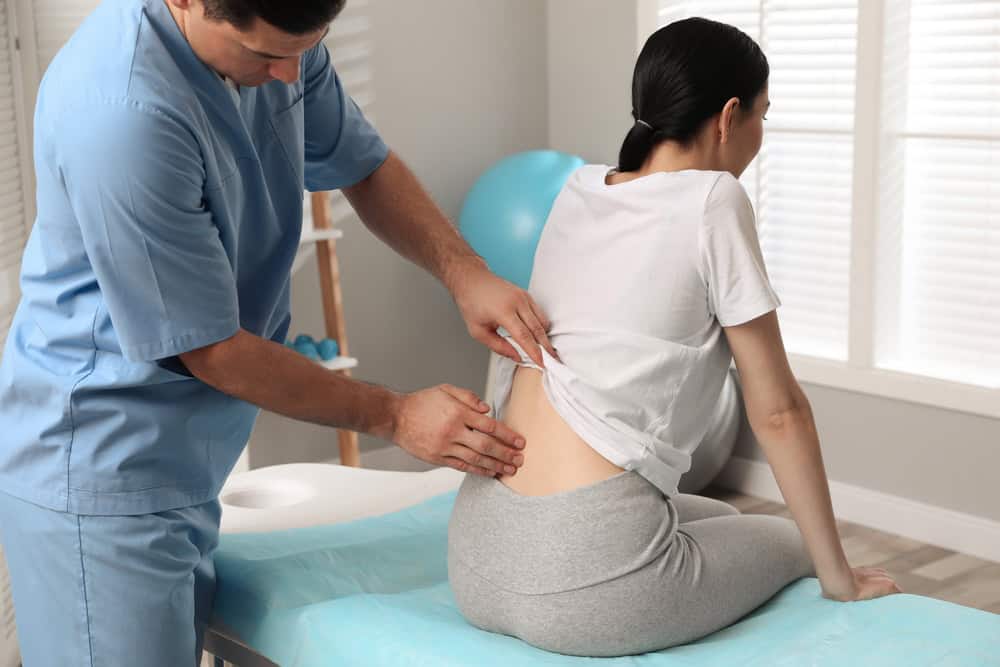
Neck stiffness, shoulder tension, and frequent headaches are often linked to a common but frequently overlooked issue known as forward head posture. This postural pattern develops gradually when the head moves in front of the shoulders rather than remaining balanced above the spine. Long hours working on computers, frequent smartphone use, and prolonged sitting are typical contributors. Over time the muscles and joints of the neck and upper back must work harder to support the head’s weight, which can lead to fatigue and persistent discomfort. At Adam Vital Physiotherapy & Rehabilitation Center in Dubai, identifying and correcting these patterns is an important part of restoring healthy movement. Many individuals experiencing neck and upper back strain benefit from Posture Correction / Postural Rehab, which focuses on restoring alignment, strengthening key stabilising muscles, and guiding the body back toward efficient movement.
Understanding Forward Head Posture
In a balanced posture, the ears align roughly above the shoulders when viewed from the side. This alignment allows the spine and surrounding muscles to support the head efficiently. When the head moves forward, this balance changes.
The average adult head weighs between four and six kilograms. When the head shifts forward even slightly, the load placed on the neck muscles increases significantly. The muscles at the back of the neck must work harder to hold the head upright, while muscles at the front of the neck and chest gradually tighten.
Over time these adaptations can create muscle imbalance, reduced mobility in the upper spine, and increased stress on the cervical joints.
Common Causes of Forward Head Posture
Forward head posture rarely develops from a single cause. It usually results from daily habits that gradually change the body’s alignment.
Extended Screen Use
Looking down at phones, tablets, or laptops for long periods encourages the head to move forward and downward. When this position is repeated throughout the day, the neck muscles adapt to this new posture.
Desk-Based Work
Office environments often require prolonged sitting. If a workstation is poorly positioned or the screen is too low, the head naturally moves forward toward the monitor.
Reduced Upper Back Strength
Weakness in the muscles that stabilise the shoulder blades and upper spine can make it difficult to maintain upright posture. When these muscles are not active enough, the shoulders round forward and the head follows.
Poor Postural Awareness
Many people are unaware that their head has shifted forward until discomfort begins. Without conscious awareness of posture, these patterns become habitual.
Symptoms Associated with Forward Head Posture
The effects of forward head posture can vary depending on how long the pattern has been present and how severe it has become.
Neck and Upper Back Pain
The increased workload placed on the neck muscles often leads to persistent tightness or aching in the cervical region and upper shoulders.
Tension Headaches
Muscle strain around the upper neck and base of the skull may contribute to headaches that begin in the neck and radiate toward the head.
Reduced Neck Mobility
Restricted movement of the cervical spine may develop when surrounding muscles remain tight and overworked.
Shoulder Fatigue
Forward head posture often appears together with rounded shoulders. This combination places additional strain on the upper back and shoulder muscles.
How Physiotherapy Supports Correction
Effective correction begins with understanding the specific factors contributing to the posture. A physiotherapy assessment evaluates spinal alignment, muscle strength, joint mobility, and daily movement patterns.
At Adam Vital Physiotherapy & Rehabilitation Center, treatment focuses on addressing the root causes of the posture rather than only relieving symptoms. The aim is to restore balanced muscle activity and improve the body’s ability to maintain healthy alignment during daily activities.
Targeted Muscle Strengthening
Strengthening the deep stabilising muscles of the neck helps the head return to a more balanced position. These muscles support the cervical spine and reduce strain on larger surface muscles.
Upper back strengthening is also important. Activating muscles such as the middle and lower trapezius improves shoulder blade positioning and helps the chest open naturally.
Mobility and Flexibility Work
Tight muscles in the chest and front of the neck can restrict movement and pull the head forward. Gentle stretching and mobility exercises help restore balance between the front and back of the body.
Movement Retraining
Correcting posture requires learning how to position the body differently during everyday tasks. Physiotherapists guide patients in developing awareness of neck and shoulder positioning while sitting, standing, and working.
These adjustments allow the body to adopt healthier patterns without excessive effort.
Workstation and Lifestyle Adjustments
Because forward head posture is often linked to daily habits, small adjustments to the working environment can make a significant difference.
Monitor Position
The top of the screen should generally sit close to eye level so the head remains upright while working. Looking slightly downward with the eyes rather than bending the neck helps maintain alignment.
Chair and Desk Setup
A supportive chair that allows the spine to remain upright helps reduce slouching. The keyboard and mouse should be positioned so the shoulders stay relaxed rather than reaching forward.
Regular Movement Breaks
Even with good posture, remaining in one position for too long can cause fatigue. Standing, stretching, and walking briefly every thirty to forty minutes helps reduce strain on the neck and upper back.
Exercises That Support Correction
Specific exercises are often prescribed to help restore muscle balance and improve posture.
Deep Neck Flexor Activation
These exercises strengthen the muscles that gently draw the head backward into alignment. They are typically performed in controlled positions while lying down or sitting upright.
Scapular Stabilisation Exercises
Strengthening the muscles around the shoulder blades helps keep the shoulders from rounding forward. These exercises improve support for the upper spine.
Thoracic Mobility Exercises
Improving movement in the upper back allows the chest to open and reduces the tendency for the head to drift forward.
When these exercises are performed consistently and combined with daily awareness, meaningful improvements often develop over time.
What Patients Can Expect During Rehabilitation
Correcting forward head posture is a gradual process. Because the body has adapted to a particular alignment over time, restoring balance requires consistent guidance and practice.
Many patients begin noticing reduced neck tension and improved comfort within several sessions as muscle activation improves and mobility increases. Continued progress depends on maintaining exercises and adjusting daily habits.
The focus remains on long term improvement rather than short term relief.
Conclusion
Forward head posture is one of the most common causes of neck and upper back discomfort in modern lifestyles. Extended screen time, desk based work, and reduced upper back strength can gradually shift the head forward and place strain on the cervical spine.
With a careful physiotherapy assessment and a personalised rehabilitation plan, it is possible to restore alignment, strengthen supporting muscles, and reduce the tension that often accompanies this condition. At Adam Vital Physiotherapy & Rehabilitation Center, our approach combines precise assessment, targeted exercises, and practical guidance to help you move comfortably again. If neck pain or posture related strain is affecting your daily life, booking an assessment is the first step toward improving posture, restoring movement, and building lasting strength.
