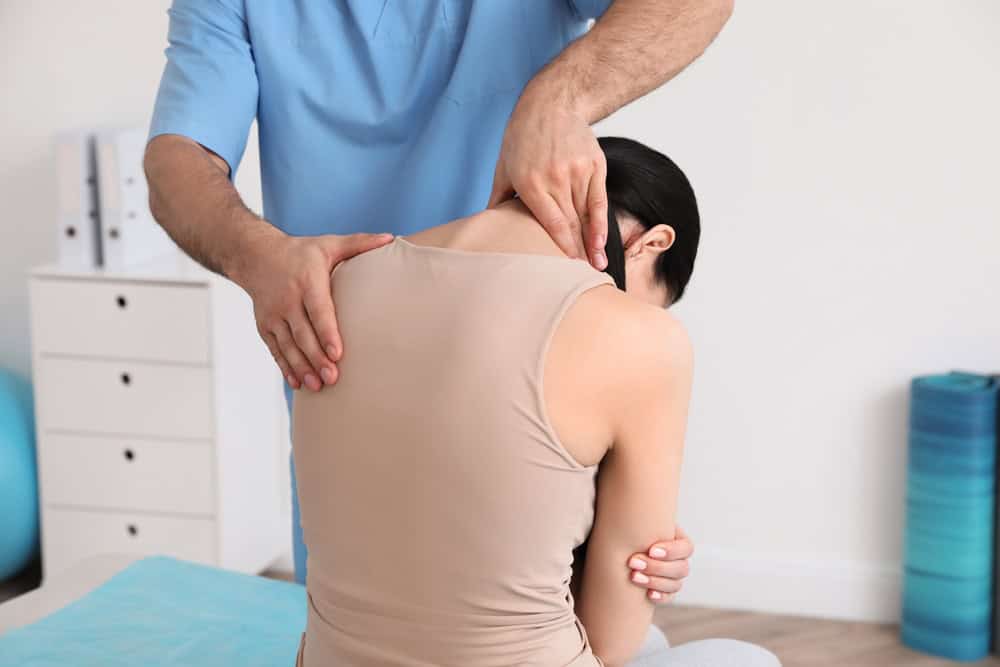
Many people live with persistent neck stiffness, shoulder tension, or lower back discomfort without realising that posture is often the underlying cause. Long hours at a desk, extended screen time, driving, and sedentary routines gradually change how the body holds itself. Over time these patterns place uneven stress on muscles and joints, leading to fatigue, restricted movement, and pain. Understanding these patterns is the first step toward improvement. At Adam Vital Physiotherapy & Rehabilitation Center in Dubai, we assess these patterns carefully and guide patients through structured recovery plans. Many individuals who experience posture related discomfort benefit from Posture Correction / Postural Rehab, which focuses on restoring alignment, improving muscle balance, and helping the body move with greater efficiency.
Why Posture Changes Over Time
Posture is not simply about sitting upright. It reflects how the spine, muscles, and joints work together to maintain balance during daily activity. When certain muscles become overactive and others weaken, the body gradually adapts into new positions that may feel comfortable but place strain on specific structures.
Modern lifestyles often accelerate these changes. Desk work encourages forward head positioning, smartphones encourage rounded shoulders, and long periods of sitting reduce core activation. These patterns can gradually alter spinal alignment and muscle function.
When these adaptations remain uncorrected, the body compensates. Muscles tighten to stabilise joints, movement patterns become less efficient, and pain may begin to develop during everyday activities.
Forward Head Posture
Forward head posture is one of the most common postural dysfunctions seen in busy professionals and individuals who spend extended time using computers or mobile devices.
What Happens in the Body
The head gradually shifts forward relative to the shoulders. This position increases the load placed on the neck and upper back. For every few centimetres the head moves forward, the muscles of the cervical spine must support significantly greater weight.
Over time this causes strain in the upper trapezius, levator scapulae, and cervical extensor muscles. Deep stabilising muscles of the neck often weaken, reducing the body’s ability to maintain balanced alignment.
Common Symptoms
Individuals with forward head posture frequently experience neck stiffness, tension headaches, and fatigue across the upper back and shoulders. Some also report reduced neck mobility or discomfort during long periods of sitting or driving.
In more persistent cases, nerve irritation or shoulder dysfunction may develop as surrounding structures become overloaded.
Rounded Shoulders
Rounded shoulders often develop alongside forward head posture and are particularly common among individuals who spend long hours at desks or performing repetitive tasks in front of the body.
Muscle Imbalances Involved
The chest muscles, particularly the pectoralis major and minor, gradually tighten while the muscles responsible for stabilising the shoulder blades become weaker. These include the middle trapezius, lower trapezius, and rhomboids.
As the shoulders rotate forward, the shoulder blades lose their optimal position on the rib cage. This change reduces the efficiency of shoulder movement and can increase stress on the rotator cuff.
Functional Impact
Rounded shoulders can affect both posture and performance. Individuals may experience shoulder fatigue, discomfort when lifting objects, or reduced strength during upper body exercise.
Over time this posture may contribute to shoulder impingement, where structures within the shoulder joint become compressed during movement.
Anterior Pelvic Tilt
Anterior pelvic tilt occurs when the pelvis rotates forward, increasing the arch in the lower back. This pattern is often linked to prolonged sitting, reduced core activation, and tight hip flexor muscles.
How It Develops
When the hip flexors remain shortened for extended periods, they pull the pelvis forward. At the same time, the abdominal muscles and gluteal muscles may weaken due to reduced activation.
This imbalance increases pressure on the lumbar spine and may alter how the body distributes load during standing, walking, and exercise.
Symptoms and Limitations
People with anterior pelvic tilt often report lower back tightness, hip discomfort, or reduced stability during movement. The increased lumbar arch may also contribute to fatigue during prolonged standing.
Correcting this pattern usually involves strengthening key stabilising muscles while improving flexibility in tight areas around the hips.
Flat Back Posture
Flat back posture occurs when the natural curve of the lower spine becomes reduced. While less common than excessive lumbar arching, it can still lead to discomfort and movement limitations.
Biomechanical Changes
In flat back posture the pelvis may tilt backward and the lumbar curve becomes flattened. This position changes how the spine absorbs load and reduces the body’s natural shock absorbing capacity.
The muscles of the lower back often become overstretched while the hamstrings and abdominal muscles may become tight.
Daily Effects
Individuals with flat back posture often feel stiffness in the lower back and may experience fatigue when standing or walking for extended periods. Because the spine cannot distribute load efficiently, even routine movements may feel uncomfortable.
Kyphotic Posture
Kyphotic posture refers to an exaggerated rounding of the upper back. While a natural curve exists in the thoracic spine, excessive rounding can influence breathing, shoulder mobility, and spinal function.
Contributing Factors
This pattern commonly develops through prolonged slouched sitting, weak upper back muscles, and reduced spinal mobility. In some cases, long term structural changes in the spine can also contribute.
When the thoracic spine becomes excessively rounded, the head and shoulders often shift forward as the body attempts to maintain balance.
Symptoms to Watch
Patients with kyphotic posture frequently experience upper back stiffness, restricted chest expansion, and reduced shoulder mobility. Athletes may notice decreased performance in overhead movements, while office workers may feel persistent upper back fatigue.
Why Early Assessment Matters
Postural dysfunctions rarely develop overnight. They evolve gradually through daily habits and repetitive movement patterns. Because these changes occur slowly, many individuals adapt to them without recognising the underlying cause of their discomfort.
A professional physiotherapy assessment evaluates spinal alignment, joint mobility, muscle strength, and movement patterns. This process identifies which structures are contributing to poor posture and allows treatment to focus on the root cause rather than only relieving symptoms.
Targeted rehabilitation may include mobility work, strengthening exercises, movement retraining, and practical guidance on daily posture and workstation setup.
Building Better Postural Habits
Improving posture requires more than simply sitting up straight. Sustainable improvement comes from restoring balanced muscle function and developing awareness of how the body moves throughout the day.
Small adjustments can make a significant difference. These may include adjusting desk height, improving monitor positioning, incorporating regular movement breaks, and strengthening the muscles that support healthy alignment.
With consistent guidance and the right exercises, many people notice meaningful improvements in comfort, mobility, and energy levels during daily activities.
Conclusion
Common postural dysfunctions such as forward head posture, rounded shoulders, anterior pelvic tilt, flat back posture, and excessive thoracic rounding can gradually affect how the body moves and feels. While these patterns often develop quietly over time, they can lead to persistent discomfort, reduced mobility, and decreased physical performance if left unaddressed.
At Adam Vital Physiotherapy & Rehabilitation Center, careful assessment and structured rehabilitation help identify the specific factors influencing your posture. With a personalised plan, focused exercises, and supportive guidance, it is possible to restore alignment, strengthen key muscles, and move with greater confidence again. If posture related discomfort is affecting your daily life, booking a physiotherapy assessment is the first step toward restoring balance and long term physical wellbeing.
