
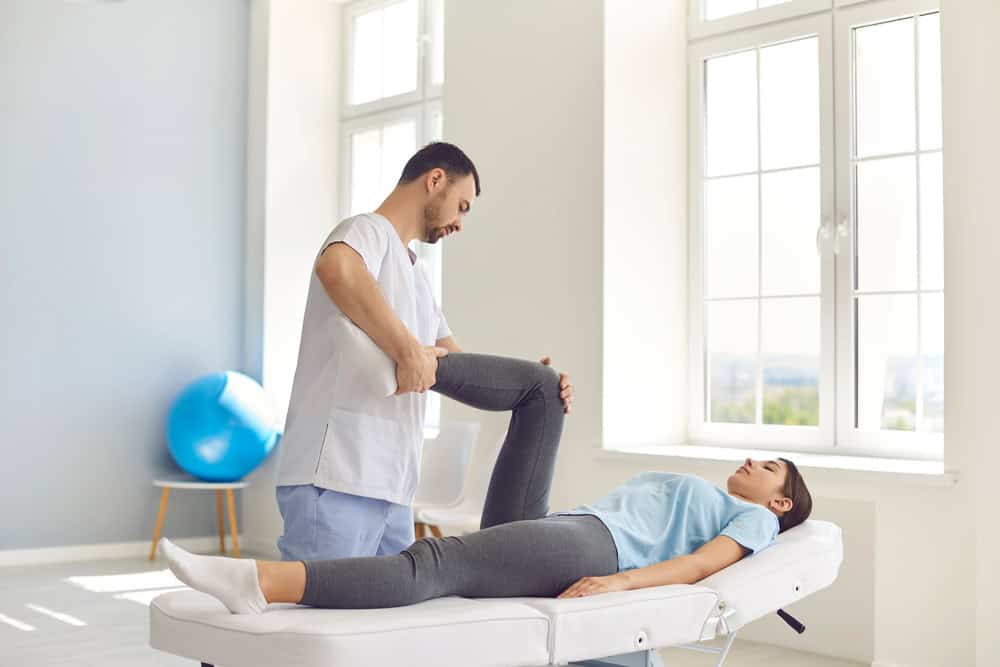
After pregnancy and childbirth, many women notice that their core no longer feels the same. Movements that were once simple may feel unstable, your strength may be reduced, and you may struggle to engage your abdominal muscles effectively. This is a normal part of recovery, but it requires the right approach to rebuild safely. Many women begin this process through Postnatal Physiotherapy, where structured rehabilitation focuses on restoring coordination, strength, and function. The goal is not just to “tighten” the core, but to reintegrate it so your body moves with stability, control, and confidence.
What Core Reintegration Really Means
Your core is more than your abdominal muscles. It is a system that includes your diaphragm, deep abdominal muscles, pelvic floor, and back muscles. These components work together to stabilise your spine and support movement.
During pregnancy, this system adapts to accommodate your growing baby. After birth, coordination between these muscles is often disrupted. Core reintegration is the process of restoring how these muscles work together, not just strengthening them in isolation.
This is why traditional abdominal exercises are not the starting point. Without proper coordination, they can place unnecessary strain on your body.
Why Core Function Changes After Birth
Several factors contribute to reduced core function postpartum:
- Stretching of the abdominal wall, sometimes resulting in separation
- Reduced activation of deep stabilising muscles
- Changes in breathing patterns
- Pelvic floor weakness or dysfunction
These changes can lead to symptoms such as back pain, poor posture, and difficulty with movement. Addressing the root cause helps restore function effectively.
Step 1: Rebuilding Awareness and Control
The first stage of core reintegration is learning how to engage the correct muscles. Many women compensate by overusing superficial muscles, which can limit progress.
Breathing as the Foundation
Breathing is closely linked to core function. Diaphragmatic breathing helps coordinate your core system, allowing your abdominal muscles and pelvic floor to work together naturally.
Gentle Activation of Deep Core Muscles
Exercises at this stage focus on subtle engagement of the deep abdominal muscles. This should feel controlled and supportive, not forced or rigid.
Building awareness takes time, but it creates a strong foundation for all future progress.
Step 2: Coordinating the Core System
Once you can activate your core, the next step is coordination. This means integrating your core into movement rather than isolating it.
Linking Core and Pelvic Floor
Your core and pelvic floor work together during movement. Coordinating these systems improves stability and reduces strain during daily activities.
Timing and Control
Engaging your core at the right time is essential. For example, activating your core before lifting or changing position helps protect your spine and improve movement efficiency.
This stage focuses on how your body moves, not just what exercises you perform.
Step 3: Building Strength Progressively
With improved control and coordination, you can begin to build strength. This should be done gradually, with a focus on quality of movement.
Low-Load Strengthening
Start with exercises that challenge your core without excessive strain. These may include controlled movements that require stability and balance.
Adding Resistance and Complexity
As your strength improves, exercises can become more challenging. This may involve adding resistance, increasing duration, or incorporating more dynamic movements.
Progression should always match your current ability. Pushing too quickly can disrupt your recovery.
Step 4: Integrating the Core Into Daily Life
Core reintegration is only complete when your body uses it automatically during everyday activities.
Functional Movement Patterns
This includes movements such as lifting your baby, carrying items, and transitioning between positions. Your core should provide support without conscious effort.
Postural Support
Improved core function helps maintain better posture, especially during activities such as feeding or working. This reduces strain on your back and neck.
These improvements contribute to overall comfort and efficiency in daily life.
Step 5: Preparing for Higher-Level Activity
If your goal is to return to exercise or sport, your core needs to be able to handle increased demand.
Stability Under Load
Your core should remain stable during more challenging activities, such as lifting weights or performing dynamic movements.
Impact Readiness
For activities such as running or jumping, your core must absorb and transfer forces effectively. This requires both strength and coordination.
Testing readiness before progressing helps reduce the risk of injury.
Common Mistakes in Core Recovery
Without guidance, it is easy to develop habits that slow progress or increase strain.
- Starting high-intensity abdominal exercises too early
- Focusing only on visible muscles rather than deep stabilisers
- Holding your breath during exercises
- Ignoring the role of the pelvic floor
Effective recovery focuses on integration, not isolation.
Signs Your Core Needs Attention
Certain symptoms suggest that your core has not fully recovered:
- Persistent lower back pain
- A feeling of weakness or instability
- Difficulty performing daily tasks
- Visible abdominal bulging during movement
These signs indicate that your body would benefit from targeted rehabilitation.
What Progress Should Feel Like
As your core reintegrates, you should notice improved stability, better control, and increased confidence in movement. Daily activities should feel easier, and your ability to exercise should improve gradually.
Progress is often steady rather than immediate. Consistency and correct technique are key.
The Role of Professional Guidance
Core recovery is individual. Assessment helps identify how your muscles are functioning and where support is needed. A tailored plan ensures that each stage of recovery is appropriate for your condition.
Guided rehabilitation provides:
- Clear progression based on your ability
- Correction of movement patterns
- Ongoing support and reassurance
This approach improves outcomes and reduces uncertainty.
Taking the Next Step
If your core feels weak, unstable, or difficult to engage after birth, starting with a structured assessment provides clarity and direction. Understanding your current condition allows you to follow a plan that supports safe and effective recovery.
At Adam Vital, we guide you through core reintegration step by step, focusing on restoring function, building strength, and supporting your return to daily activity and exercise. Your plan is tailored to your body and your goals.
Core reintegration is not about doing more exercises. It is about rebuilding how your body works so you can move with strength, stability, and confidence again. With the right guidance, your recovery can be both effective and lasting.
