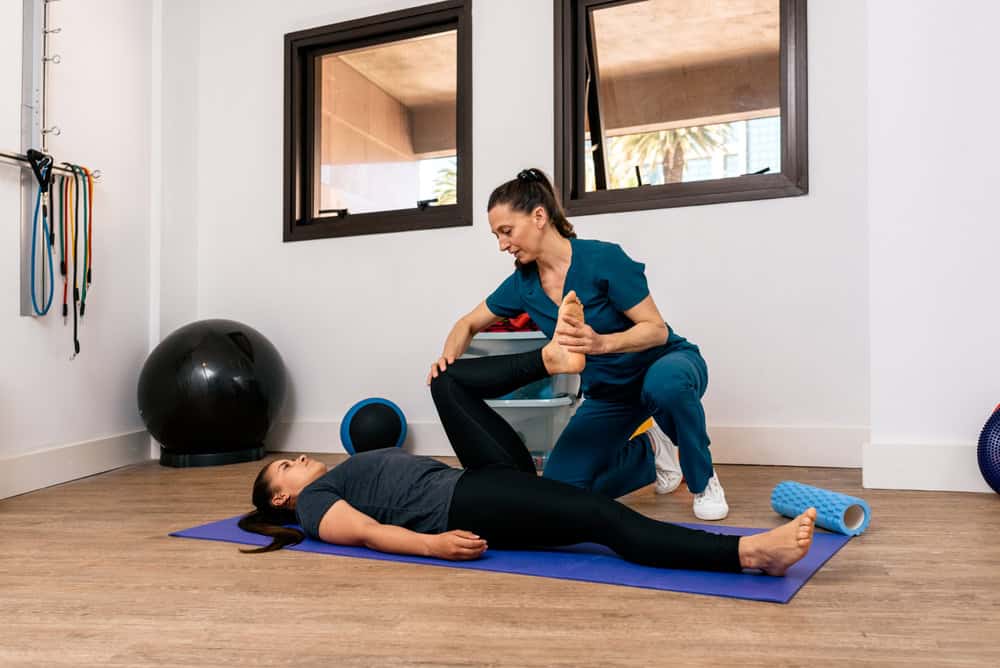
After childbirth, many women notice changes they were not expecting. You may experience weakness, a feeling of heaviness, leakage, or a lack of control during movement. These are often linked to your pelvic floor, a group of muscles that plays a critical role in support, stability, and function. Recovery is possible, but it requires a clear and structured approach. Many women begin this process through Postnatal Physiotherapy, where assessment and guided rehabilitation help restore strength, coordination, and confidence. The focus is not just on symptoms, but on rebuilding function so your body feels stable and capable again.
Understanding the Pelvic Floor After Birth
Your pelvic floor supports your bladder, bowel, and uterus. During pregnancy and delivery, these muscles are placed under significant strain. They may become stretched, weakened, or in some cases, overly tight and uncoordinated.
This can lead to symptoms such as:
- Urinary leakage when coughing, sneezing, or exercising
- A feeling of heaviness or pressure in the pelvic area
- Reduced control or awareness of the muscles
- Discomfort during movement or intimacy
These changes are common, but they are not something you have to accept long term. With the right approach, function can be restored.
Why Pelvic Floor Recovery Matters
The pelvic floor is not an isolated system. It works closely with your core, diaphragm, and hip muscles to support movement and stability. When it is not functioning well, other areas of your body often compensate.
This can contribute to:
- Lower back or pelvic pain
- Poor posture and reduced movement control
- Difficulty returning to exercise or sport
Addressing pelvic floor recovery early supports your overall rehabilitation and helps prevent longer-term issues.
Step 1: Reconnecting With the Muscles
The first stage of recovery is awareness. Many women are unsure how to correctly activate their pelvic floor after birth. Some may over-contract, while others struggle to engage the muscles at all.
Learning the Correct Activation
A correct contraction should feel like a gentle lift and support around the pelvic area, without excessive tension in the abdomen, glutes, or thighs. It should be controlled and sustainable, not forced.
Relaxation Is Just as Important
Equally important is the ability to relax the pelvic floor. Muscles that are constantly tense can also cause symptoms. Recovery involves both strength and flexibility.
This stage is about building control, not intensity.
Step 2: Coordinating With Breathing and Core
Your pelvic floor does not work alone. It coordinates with your diaphragm and deep core muscles during breathing and movement.
Breath-Led Activation
As you inhale, your pelvic floor naturally relaxes. As you exhale, it gently lifts. Learning this pattern helps restore natural function and reduces unnecessary strain.
Integrating Core Support
Engaging your core and pelvic floor together improves stability during daily activities such as lifting, walking, and changing position. This coordination is essential before progressing to more demanding exercise.
At this stage, the focus is on quality and timing of activation.
Step 3: Building Strength and Endurance
Once you have control and coordination, the next step is strengthening. Your pelvic floor needs both strength and endurance to support daily activity and respond to increased demand.
Short and Long Contractions
Strength is developed through controlled contractions, while endurance is built by holding these contractions for longer periods. Both are important for functional support.
Progressive Loading
Exercises should gradually increase in difficulty, incorporating movement and light resistance. This helps your pelvic floor adapt to real-life demands.
Progression should be guided and based on your individual response.
Step 4: Integrating Into Functional Movement
Recovery is not complete until your pelvic floor can support you during everyday activities and higher-level movement.
Applying Strength to Daily Tasks
This includes activities such as lifting your baby, carrying items, or transitioning between positions. Your pelvic floor should engage automatically to provide support.
Preparing for Exercise and Impact
If your goal is to return to running, gym training, or sport, your pelvic floor must be able to handle increased pressure and impact. This requires a gradual and structured progression.
Testing readiness before returning to higher-level activity helps prevent setbacks.
Common Mistakes in Pelvic Floor Recovery
Pelvic floor exercises are often misunderstood. Without guidance, it is easy to develop habits that limit progress.
- Over-contracting without proper relaxation
- Holding your breath during exercises
- Performing exercises without correct technique
- Stopping exercises too early once symptoms improve
Recovery requires consistency and precision. Small adjustments can make a significant difference.
Signs You May Need Additional Support
While some improvement can occur naturally, certain symptoms indicate the need for targeted rehabilitation.
- Persistent urinary leakage
- A feeling of heaviness or pressure
- Pain in the pelvic region
- Difficulty returning to exercise
These are not signs of failure. They are indicators that your body needs a more structured approach.
What Progress Should Feel Like
As your pelvic floor recovers, you should notice improved control, reduced symptoms, and increased confidence in movement. Daily activities should feel more comfortable, and your ability to exercise should gradually improve.
Progress is often gradual. Consistency and the right technique are key to achieving lasting results.
The Role of Professional Guidance
Pelvic floor recovery is highly individual. Assessment helps identify whether your muscles are weak, overactive, or uncoordinated, and treatment is tailored accordingly.
Guided rehabilitation ensures that:
- Exercises are performed correctly
- Progression matches your stage of recovery
- Symptoms are addressed early
This approach supports efficient and effective recovery.
Taking the Next Step
If you are experiencing symptoms or unsure how to approach pelvic floor recovery, the best next step is to begin with a structured assessment. This provides clarity on your condition and a plan that supports your goals.
At Adam Vital, we guide you through each stage of recovery with a focus on restoring strength, improving function, and building confidence. Your plan is tailored to your body and your progress.
Pelvic floor recovery is not just about exercises. It is about restoring support, stability, and control so you can move comfortably and return to the activities that matter to you. With the right guidance, you can achieve a strong and confident recovery.
