
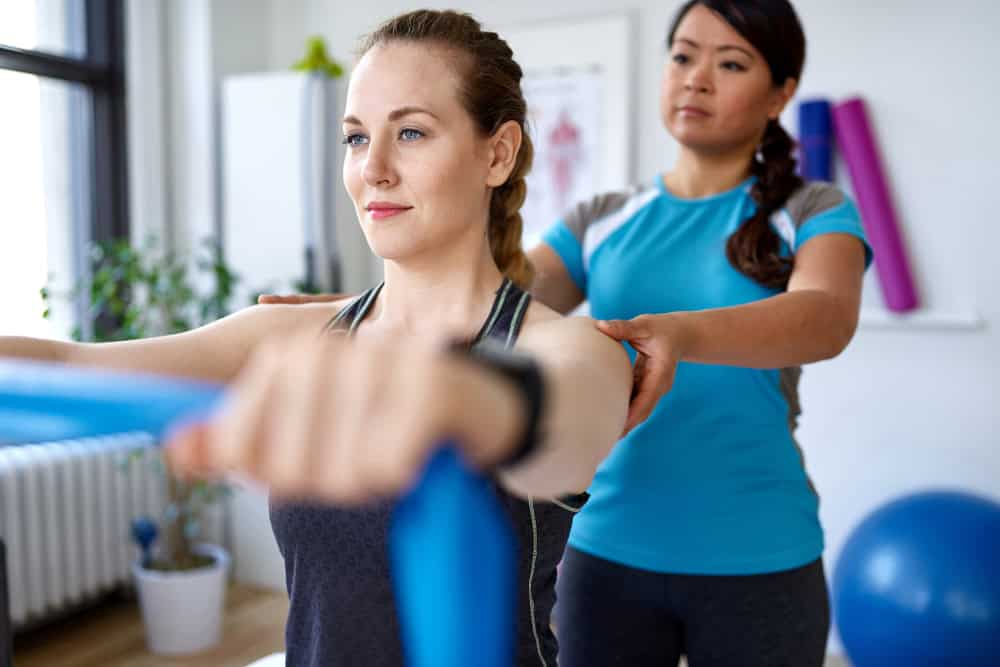
Perineal pain and swelling after childbirth can make simple movements uncomfortable and, at times, overwhelming. Sitting, walking, or caring for your baby may feel more difficult than expected. This is a common experience, particularly after vaginal delivery or if there has been tearing or an episiotomy. With the right approach, symptoms can be managed effectively, and healing can progress steadily. Many women begin this process through Postnatal Physiotherapy, where guided care focuses on reducing discomfort, supporting tissue recovery, and restoring function in a safe and structured way.
Understanding Perineal Pain and Swelling
The perineum is the area between the vaginal opening and the anus. During childbirth, this region stretches significantly and may experience tearing or require a surgical cut. As a result, inflammation, bruising, and sensitivity are common in the early stages of recovery.
You may notice:
- Pain when sitting or changing position
- Swelling or a feeling of pressure in the area
- Stinging during urination
- Discomfort when walking or standing for longer periods
These symptoms are part of the healing process, but they should gradually improve with the right care.
Early Management: First Few Days After Birth
The initial phase focuses on reducing swelling, protecting the area, and supporting natural healing. Small, consistent strategies can make a significant difference in comfort.
Cold Therapy for Swelling
Applying a cold pack to the perineal area can help reduce inflammation and provide relief. This should be done for short periods, ensuring that the cold source is wrapped to protect the skin.
Rest and Positioning
Limiting prolonged sitting and using supportive positions can reduce pressure on the perineum. Lying on your side or using a cushion when sitting can improve comfort.
Gentle Hygiene and Care
Keeping the area clean and dry supports healing and reduces the risk of irritation. Using warm water to rinse after toileting can also help reduce discomfort.
These early measures aim to create a supportive environment for tissue recovery.
Managing Pain During Daily Activities
As you begin to move more, managing discomfort during daily tasks becomes important. Simple adjustments can help you stay active without increasing symptoms.
Safe Movement Techniques
Moving slowly and with control reduces strain on the perineal area. When transitioning from sitting to standing, engage your core gently and avoid sudden movements.
Supporting the Area
When coughing, sneezing, or lifting, providing gentle support to the perineum with your hand can reduce pressure and discomfort.
These strategies help you maintain mobility while protecting healing tissues.
Introducing Gentle Pelvic Floor Activation
While rest is important, completely avoiding movement can delay recovery. Gentle pelvic floor activation can support circulation and promote healing when introduced at the right time.
When to Start
Light activation can often begin within the first few days, provided it does not increase pain. This involves gentle contractions rather than strong effort.
Benefits of Early Activation
Improved blood flow, reduced swelling, and better muscle awareness are key benefits. It also supports long-term recovery by maintaining muscle function.
The focus is on subtle engagement, not intensity.
Reducing Swelling and Promoting Healing
Swelling is a natural response to tissue injury, but managing it effectively supports faster recovery.
Movement and Circulation
Light walking can improve circulation and reduce fluid build-up. This should be introduced gradually and adjusted based on comfort.
Avoiding Prolonged Pressure
Long periods of sitting or standing can increase swelling. Changing positions regularly helps manage symptoms.
Balancing rest and gentle movement is key.
Managing Discomfort During Toileting
Toileting can be one of the more uncomfortable aspects of early recovery. Simple strategies can reduce pain and make the process easier.
Supporting the Perineum
Using a clean pad or your hand to provide gentle support during bowel movements can reduce strain on the area.
Staying Hydrated and Maintaining Diet
Softening stools through hydration and a balanced diet reduces the need for straining, which protects healing tissues.
These measures help maintain comfort and support recovery.
Progressing Through Recovery
As healing continues, pain and swelling should gradually reduce. At this stage, the focus shifts to restoring normal function and preventing longer-term issues.
Improving Tissue Mobility
Once the area has healed sufficiently, gentle techniques may be introduced to improve tissue flexibility and reduce sensitivity. This supports comfortable movement and function.
Building Strength and Control
Progressive pelvic floor exercises help restore strength and endurance. This is important for activities such as walking, lifting, and returning to exercise.
Progression should be guided and based on your comfort and response.
When Symptoms Persist
While many women experience gradual improvement, some symptoms may persist without targeted support.
- Ongoing pain or discomfort
- Increased sensitivity or tightness
- Difficulty sitting or moving comfortably
- Concerns about healing or function
These are signs that your body may benefit from a more structured rehabilitation approach.
What Recovery Should Feel Like
Recovery is typically gradual. You should notice reduced swelling, improved comfort, and increased ease of movement over time. Daily activities should become more manageable, and your confidence in movement should improve.
Mild discomfort can still occur during healing, but symptoms should not worsen or limit your progress significantly.
The Role of Professional Guidance
Managing perineal pain and swelling is more effective with expert support. Assessment helps determine the extent of tissue involvement and guides appropriate treatment.
Professional care can include:
- Guidance on safe movement and positioning
- Targeted pelvic floor rehabilitation
- Techniques to improve tissue healing and comfort
This ensures that recovery is both effective and supportive.
Taking the Next Step
If perineal pain or swelling is affecting your comfort or slowing your recovery, starting with a structured assessment provides clarity and direction. Understanding your current condition allows you to follow a plan that supports healing and restores function.
At Adam Vital, we guide you step by step through recovery, focusing on reducing discomfort, improving movement, and building confidence. Your plan is tailored to your body and your stage of healing.
Perineal recovery is not about waiting for symptoms to pass. It is about actively supporting your body so healing happens efficiently and comfortably. With the right guidance, you can move forward with less pain and greater confidence.
