
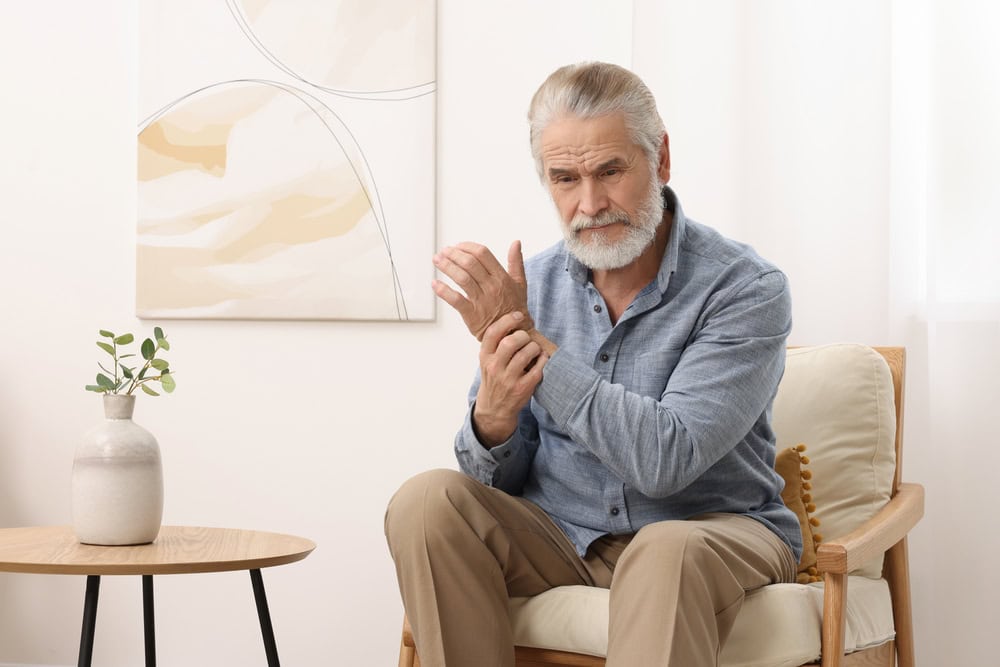
Osteoarthritis is often associated with ageing, yet an increasing number of younger adults are experiencing joint pain and functional limitation, which is why early assessment and guidance through Arthritis / Osteoarthritis Physiotherapy is essential to protect long-term joint health, maintain performance, and prevent unnecessary decline.
Why osteoarthritis appears in younger people
Osteoarthritis in younger populations is usually driven by mechanical and lifestyle factors rather than age alone. Joints are exposed to repeated load, high demand, or altered mechanics that exceed their ability to recover.
In many cases, symptoms develop gradually and are dismissed as normal training pain, work strain, or temporary stiffness, delaying effective management.
Common causes of early-onset OA
Several factors increase the likelihood of osteoarthritis developing earlier in life.
Previous joint injury
Sports injuries such as ligament tears, meniscus damage, fractures, or joint dislocations alter load distribution within a joint. Even when pain settles, altered mechanics can accelerate joint wear if not fully rehabilitated.
Repetitive high-load activity
Occupations or sports involving repetitive impact, heavy lifting, or prolonged joint loading increase cumulative stress on joints, particularly knees, hips, shoulders, and the spine.
Poor movement mechanics
Weakness, reduced mobility, or poor control can overload joints during training or daily tasks, increasing joint irritation over time.
Early return to activity after injury
Returning to sport or work before adequate strength and control are restored increases long-term joint risk.
Body weight and load tolerance
Higher body weight increases joint load, particularly in active individuals who place additional demands on their joints.
How OA presents differently in younger adults
Symptoms in younger people often differ from those seen in older populations.
Activity-related pain
Pain typically appears during or after activity rather than at rest. Early stiffness may resolve quickly with movement.
Fluctuating symptoms
Symptoms often come and go, leading many people to ignore early warning signs.
Performance decline
Reduced speed, power, or endurance may be noticed before constant pain develops.
Psychological impact in younger populations
A diagnosis or suspicion of osteoarthritis can be confronting for younger adults.
Fear of long-term limitation, loss of sport or career identity, and uncertainty about the future often increase stress and pain sensitivity.
Clear education and realistic guidance are essential to restore confidence and engagement.
Why early management matters
Early intervention does not aim to eliminate joint changes, but to slow progression and preserve function.
Addressing strength, movement control, and load management early reduces cumulative joint stress and supports long-term activity participation.
The role of physiotherapy in younger OA patients
Management focuses on performance, resilience, and joint capacity rather than restriction.
Detailed movement assessment
Identifying movement patterns that overload the joint allows targeted correction.
Strength and control development
Building joint-supporting strength improves load tolerance during sport, work, and daily life.
Load management strategies
Adjusting training volume, intensity, and recovery supports joint health without stopping activity.
Education and expectation setting
Understanding that osteoarthritis does not mean stopping movement reduces fear-driven avoidance.
Staying active with OA at a younger age
Activity modification, not elimination, is key.
Most younger adults can continue training, working, and competing with appropriate adjustments to technique, volume, and recovery.
Maintaining activity supports mental health, physical capacity, and long-term joint resilience.
Common mistakes younger people make
Ignoring early symptoms
Pushing through pain without addressing underlying issues often accelerates joint irritation.
Resting completely during flare-ups
Extended inactivity leads to rapid deconditioning and worsens joint tolerance.
Chasing quick fixes
Relying on short-term pain relief without addressing strength and movement increases recurrence risk.
Long-term outlook for younger OA patients
Osteoarthritis does not automatically mean progressive disability. Many younger adults maintain high levels of function for decades with appropriate management.
Joint health is influenced by how joints are used and supported over time rather than diagnosis alone.
Building joint resilience for the future
Early osteoarthritis management focuses on resilience.
This includes consistent strength training, efficient movement patterns, recovery awareness, and realistic load progression.
These strategies protect joints and support performance well into later life.
What progress looks like
Progress may include reduced post-activity pain, improved performance consistency, faster recovery, and greater confidence in joint capacity.
Symptoms may not disappear completely, but they become predictable and manageable.
Next step
If joint pain has been affecting your activity, work, or performance at a younger age, a structured assessment can identify contributing factors and guide a long-term management plan.
Osteoarthritis in younger populations is not a reason to stop moving. With early, targeted care, you can protect your joints, maintain performance, and stay active with confidence for years to come.
