
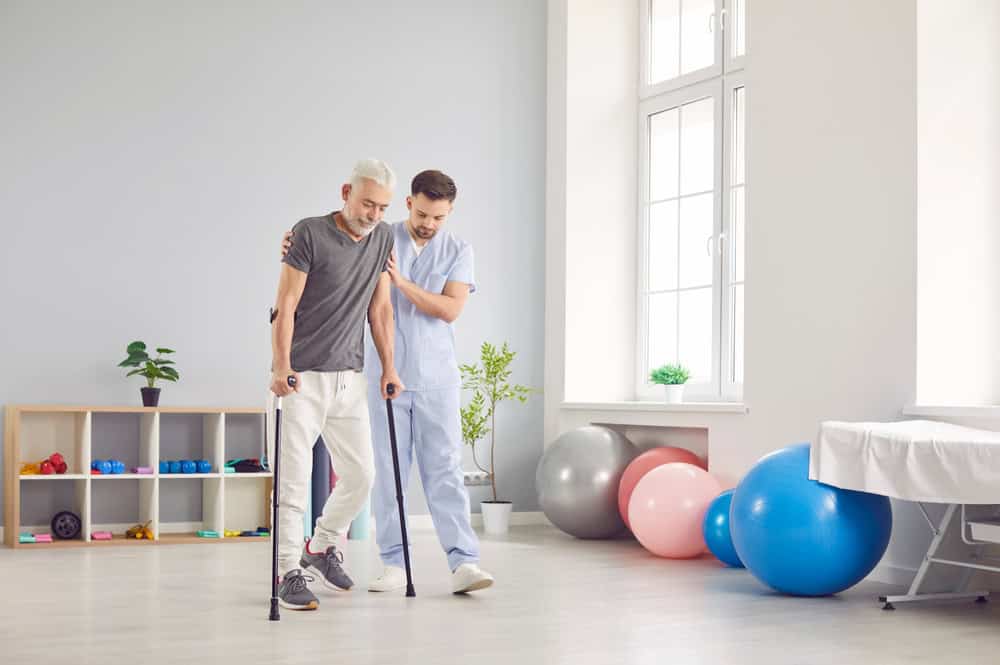
Knee surgery can relieve pain or repair damage, but full recovery depends on how well your rehabilitation is planned and followed. Post-Operative Rehabilitation after knee surgery focuses on restoring movement, rebuilding strength, and helping you return safely to walking, work, sport, and daily life. A clear, structured approach ensures healing tissues are protected while progress remains steady and measurable.
Why knee rehabilitation needs a structured plan
The knee is a complex joint that manages body weight, direction changes, and impact. After procedures such as ligament repair, meniscus surgery, cartilage procedures, or knee replacement, swelling, weakness, and movement limitation are expected. Without guided rehabilitation, these issues can persist and affect long-term function. A structured plan aligns exercises with tissue healing, reduces complications, and restores confidence in movement.
Early phase goals after knee surgery
The first stage of recovery focuses on protection and comfort. Pain and swelling control are priorities, as excess swelling can delay muscle activation and restrict movement. Early rehabilitation aims to reintroduce safe knee motion while protecting surgical repairs.
Restoring safe movement
Gentle knee bending and straightening within safe limits helps prevent stiffness. You may be guided on how to walk correctly, use supports if needed, and move safely during daily tasks such as standing, sitting, or using stairs. These early movements set the foundation for later strength work.
Reactivating key muscles
After surgery, muscles around the knee, especially the quadriceps, can switch off. Targeted activation exercises help restore control and stability. This early muscle engagement supports joint protection and prepares the knee for more demanding activity.
Mid-phase rehabilitation for knee function
As swelling reduces and movement improves, rehabilitation progresses toward restoring strength and functional control. This phase typically begins a few weeks after surgery, depending on the procedure and individual healing response.
Improving strength and stability
Exercises become more active and progressive. Strengthening focuses on the thigh, hip, and calf muscles, which all influence knee mechanics. Controlled loading helps rebuild tissue tolerance while maintaining joint alignment and balance.
Normalising walking and daily tasks
During this phase, attention shifts to walking quality, stair control, and endurance. Many patients can walk but still compensate without realising it. Rehabilitation targets efficient movement patterns to prevent overload and future pain.
Advanced phase and return to activity
The later stage of knee rehabilitation prepares you for higher demands, whether that means returning to sport, managing long workdays, or staying active with family. Strength alone is not enough. Control, confidence, and resilience are essential.
Building load tolerance
Exercises progress to include deeper knee bending, balance challenges, and controlled impact if appropriate. The goal is to ensure the knee can tolerate real-life forces without swelling or pain flare-ups.
Sport and activity-specific preparation
For active individuals, rehabilitation may include running drills, directional changes, or sport-specific movements. These are introduced gradually and only when strength, control, and confidence are ready. Progression is based on function, not just time since surgery.
Managing expectations during recovery
Knee recovery timelines vary. Some people feel steady improvement within weeks, while others require several months of progressive rehabilitation. Temporary stiffness or discomfort does not mean failure. Clear guidance helps you understand what sensations are normal and when reassessment is needed.
Common challenges after knee surgery
Fear of movement, lingering swelling, or uneven strength between legs are common challenges. Addressing these early reduces the risk of compensations that can affect the hip, back, or opposite knee. Rehabilitation focuses on confidence as much as physical recovery.
Your role in knee rehabilitation success
Consistency is key. Performing guided exercises, maintaining good movement habits, and communicating concerns all contribute to outcomes. Rehabilitation works best when you understand the purpose behind each exercise and how it connects to your goals.
Conclusion
Post-knee surgery rehabilitation is a progressive process that restores movement, strength, and confidence step by step. With a clear plan, realistic expectations, and consistent effort, recovery becomes safer and more effective. Whether your goal is to walk comfortably, return to sport, or stay active without fear, the next step is to book an assessment so your knee rehabilitation plan can be tailored to your surgery, lifestyle, and long-term goals.
