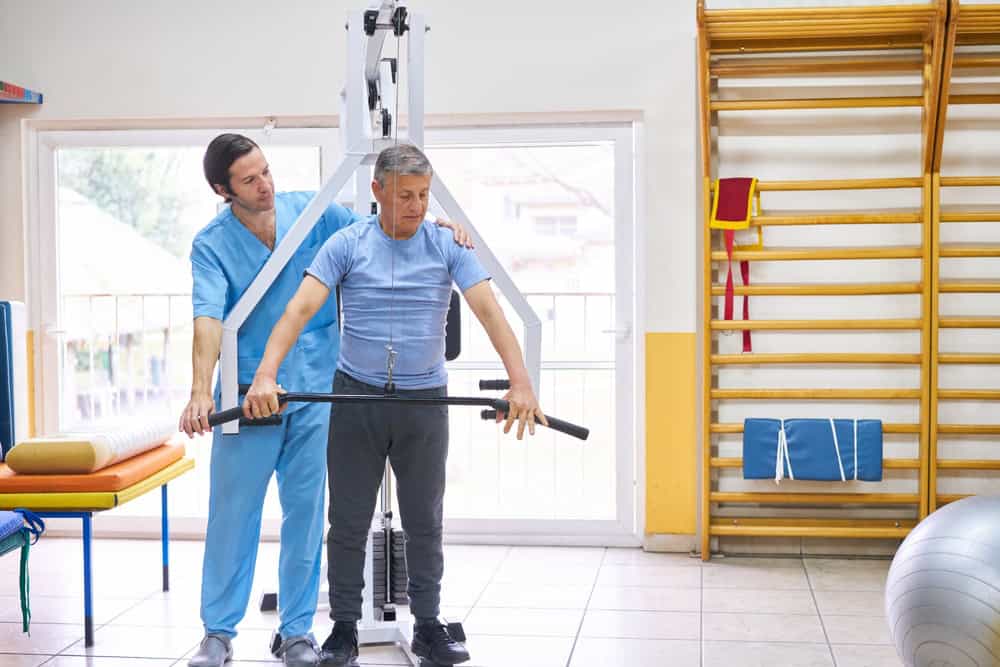
Shoulder surgery can reduce pain and repair damaged tissue, but lasting recovery depends on how carefully rehabilitation is planned and progressed. Post-Operative Rehabilitation for the shoulder follows clear protocols that protect healing structures while restoring movement, strength, and confidence. Understanding these protocols helps you know what to expect, why certain limits exist, and how steady progress is achieved without unnecessary risk.
Why shoulder rehabilitation requires strict protocols
The shoulder is the most mobile joint in the body, which also makes it less stable. After surgery involving the rotator cuff, labrum, biceps tendon, or joint capsule, tissues need time to heal securely. Moving too early or loading the shoulder incorrectly can compromise surgical repairs. Protocols provide structure, ensuring each stage of recovery supports healing while preventing stiffness, weakness, or long-term dysfunction.
Early protection phase after shoulder surgery
The initial phase begins immediately after surgery and focuses on protection and pain control. This stage may last several weeks depending on the procedure performed.
Protecting surgical repairs
During this phase, the shoulder may be supported in a sling to limit movement and reduce strain on healing tissues. This does not mean complete inactivity. Gentle, guided movements are introduced where appropriate to maintain circulation and prevent excessive stiffness, always within surgeon-specific guidelines.
Managing pain and swelling
Pain and swelling are expected early on. Rehabilitation focuses on strategies to manage discomfort, including positioning advice, gentle movement, and education on safe daily activities. Understanding what sensations are normal helps reduce anxiety and builds trust in the recovery process.
Restoring safe shoulder movement
As healing progresses, protocols allow for gradual reintroduction of shoulder movement. This phase is carefully monitored to avoid stressing repaired tissues.
Controlled range of motion
Movement is often assisted at first, meaning the shoulder is guided rather than actively lifted. This helps restore flexibility while minimising muscle strain. Over time, assisted movement transitions to active control as strength and confidence improve.
Preventing stiffness without overload
One of the main challenges after shoulder surgery is balancing protection with mobility. Too little movement can lead to stiffness, while too much can delay healing. Protocols are designed to find this balance, progressing only when movement quality and comfort allow.
Strengthening and stability phase
Once movement improves and tissues are ready, rehabilitation shifts toward rebuilding strength and shoulder stability. This phase is essential for long-term function.
Reactivating shoulder muscles
After surgery, key stabilising muscles may be weak or inhibited. Rehabilitation targets these muscles with specific exercises that improve control around the joint. Strength is rebuilt gradually, starting with low-load exercises that emphasise precision rather than force.
Supporting the shoulder through the whole body
Shoulder function depends on more than the joint itself. The neck, upper back, and core all influence shoulder mechanics. Protocols include exercises that improve posture and coordination, reducing unnecessary strain on the shoulder during daily activities.
Advanced strengthening and functional use
As strength and control improve, rehabilitation progresses toward functional and task-specific movement. This phase prepares you for real-world demands.
Returning to daily tasks
Activities such as reaching overhead, lifting objects, or working at a desk place unique demands on the shoulder. Rehabilitation gradually reintroduces these tasks, ensuring they are performed with good mechanics and without fear.
Sport and activity preparation
For active individuals, protocols may include sport-specific preparation such as throwing mechanics, swimming movements, or gym-based exercises. These are introduced only when strength, range of motion, and control meet clear criteria. Progression is based on function and response, not simply time since surgery.
Understanding recovery timelines
Shoulder recovery timelines vary widely depending on the type of surgery and individual factors such as age, tissue quality, and consistency with rehabilitation. Some procedures require several months before full activity is appropriate. Clear communication about timelines helps set realistic expectations and reduces frustration during slower phases of recovery.
Common challenges during shoulder rehabilitation
Stiffness, weakness, and fear of re-injury are common challenges. Some patients avoid using the shoulder due to concern about pain, which can slow progress. Others feel tempted to push too hard once pain reduces. Protocols provide reassurance and boundaries, helping you move forward safely and confidently.
Your role in following shoulder protocols
Successful recovery depends on partnership. Following movement guidelines, performing prescribed exercises, and communicating any concerns all support progress. Rehabilitation works best when you understand why certain restrictions exist and how each exercise contributes to your recovery goals.
When reassessment is important
If pain increases significantly, movement plateaus, or daily tasks feel more difficult rather than easier, reassessment is important. Adjusting the plan early helps address issues before they become setbacks. Rehabilitation is not rigid. It adapts based on how your shoulder responds.
Conclusion
Post-shoulder surgery protocols provide a clear, evidence-based pathway from protection to full function. By respecting healing timelines, progressing movement and strength gradually, and focusing on quality rather than speed, recovery becomes safer and more effective. Whether your goal is comfortable daily movement or a return to demanding activity, the next step is to book an assessment so your shoulder rehabilitation plan can be tailored to your surgery, lifestyle, and long-term goals.
