Breathing is one of the most constant movements the body performs, yet it is rarely considered when discussing posture. The way we breathe influences how the rib cage, spine, and surrounding muscles work together to maintain stability and movement. When breathing mechanics become inefficient, the body may compensate by overusing the neck and shoulder muscles or by altering spinal alignment. Over time this can contribute to fatigue, reduced mobility, and discomfort in the upper body. At Adam Vital Physiotherapy & Rehabilitation Center in Dubai, breathing patterns are often assessed as part of a comprehensive physiotherapy evaluation. Many individuals experiencing postural strain benefit from Posture Correction / Postural Rehab, where improving breathing mechanics helps support spinal stability, better movement, and more balanced posture.
The Relationship Between Breathing and Posture
The muscles involved in breathing are closely connected to the muscles that support posture. The diaphragm, intercostal muscles between the ribs, and the deep abdominal muscles all contribute to both breathing and spinal stability.
When breathing patterns are balanced, the rib cage expands smoothly and the diaphragm moves efficiently. This coordinated movement helps maintain stability through the trunk while allowing the body to move freely.
If breathing becomes shallow or restricted, the body may rely more heavily on accessory muscles in the neck and shoulders. This can increase tension in the upper body and gradually influence posture.
The Role of the Diaphragm
The diaphragm is the primary muscle responsible for breathing. It sits beneath the lungs and separates the chest cavity from the abdominal cavity.
During inhalation, the diaphragm contracts and moves downward. This allows the lungs to expand while the rib cage gently widens. During exhalation, the diaphragm relaxes and returns to its resting position.
In addition to its role in breathing, the diaphragm contributes to trunk stability. By working together with the abdominal and pelvic floor muscles, it helps regulate pressure within the abdominal cavity and support the spine.
Common Breathing Patterns That Affect Posture
Certain breathing habits can influence posture and muscle activity throughout the upper body.
Shallow Chest Breathing
Shallow breathing often involves lifting the chest and shoulders during inhalation rather than allowing the diaphragm to move effectively. This pattern can increase tension in the neck and shoulder muscles.
Over time, repeated activation of these muscles may contribute to forward head posture and upper back fatigue.
Reduced Rib Cage Mobility
When the rib cage becomes stiff, breathing may become restricted. Limited rib movement can influence the posture of the upper spine and reduce overall trunk mobility.
Improving rib cage mobility often helps restore more efficient breathing mechanics.
Abdominal Bracing Without Relaxation
Some individuals hold excessive tension in the abdominal muscles while breathing. This can limit the diaphragm’s ability to move freely and reduce breathing efficiency.
Balanced breathing involves coordinated activation and relaxation of the core muscles.
How Breathing Supports Spinal Stability
The diaphragm works together with the deep abdominal muscles, spinal stabilisers, and pelvic floor to create a supportive system around the trunk. This system helps stabilise the spine during movement.
When inhalation and exhalation occur in coordination with these muscles, pressure within the abdominal cavity is regulated effectively. This pressure acts like internal support for the spine.
Improving breathing mechanics therefore supports both posture and movement control.
Signs of Inefficient Breathing Patterns
Several signs may indicate that breathing mechanics are contributing to postural strain.
Neck and Shoulder Tension
Overuse of the accessory breathing muscles can lead to persistent tightness in the upper shoulders and neck.
Limited Rib Expansion
When the rib cage does not expand evenly during breathing, the body may compensate by lifting the shoulders or arching the lower back.
Fatigue During Prolonged Sitting
Inefficient breathing patterns can reduce the ability of the trunk muscles to support posture during extended periods of sitting.
How Physiotherapy Assesses Breathing Mechanics
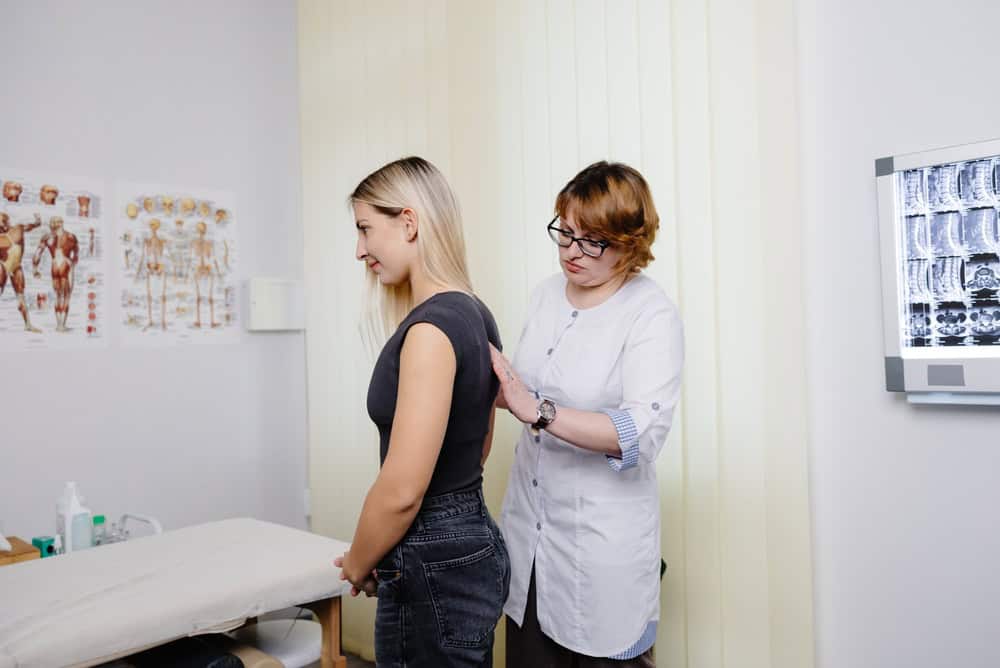
During a physiotherapy assessment at Adam Vital Physiotherapy & Rehabilitation Center, breathing patterns may be evaluated as part of the examination of posture and movement.
The physiotherapist observes how the rib cage expands during inhalation and how the diaphragm coordinates with the abdominal muscles. Posture of the spine and position of the shoulders are also considered.
This evaluation helps determine whether breathing patterns are contributing to muscle tension or postural imbalance.
Exercises to Improve Breathing and Posture
Physiotherapy exercises can help restore more efficient breathing mechanics while supporting posture.
Diaphragmatic Breathing
Diaphragmatic breathing encourages the diaphragm to move fully during inhalation. This technique focuses on expanding the rib cage and abdomen while keeping the shoulders relaxed.
Practising this breathing pattern helps reduce reliance on the neck and shoulder muscles.
Rib Mobility Exercises
Gentle mobility exercises for the rib cage help improve chest expansion and thoracic spine movement.
These exercises allow the lungs to expand more effectively and support better breathing mechanics.
Breathing with Core Activation
Learning how to coordinate breathing with gentle core activation helps stabilise the spine during movement.
This technique is particularly useful during exercises, lifting tasks, and daily activities.
The Influence of Posture on Breathing
Posture also affects the way the body breathes. Slouched sitting can compress the rib cage and limit diaphragmatic movement.
When the upper back rounds forward, the lungs have less space to expand fully. This often encourages shallow breathing patterns.
Maintaining balanced spinal alignment allows the rib cage to move more freely and supports deeper, more efficient breathing.
Integrating Breathing into Daily Activities
Improving breathing mechanics involves applying new habits throughout the day.
During Desk Work
Maintaining an upright posture and taking regular breaks for deep breathing can help prevent shallow breathing patterns.
During Exercise
Coordinating breathing with movement improves stability and reduces unnecessary muscle tension.
During Relaxation
Practising slow, controlled breathing can help reduce tension in the neck and shoulders while supporting better posture.
Conclusion
Breathing mechanics play an important role in supporting posture and spinal stability. When breathing becomes shallow or restricted, the body may rely on compensatory muscle activity that contributes to tension and postural strain.
By improving diaphragmatic breathing, rib cage mobility, and coordination between breathing and core muscles, physiotherapy can help restore efficient breathing patterns and balanced posture. At Adam Vital Physiotherapy & Rehabilitation Center, rehabilitation programs combine careful assessment, targeted exercises, and supportive guidance to help patients move and breathe more comfortably. If posture related discomfort or upper body tension is affecting your daily life, booking a physiotherapy assessment is the first step toward restoring balanced movement and improved breathing efficiency.
