Lower back tightness, hip discomfort, and difficulty maintaining comfortable posture during standing or sitting are often linked to pelvic alignment. The pelvis forms the foundation of the spine, and its position influences how the lower back, hips, and surrounding muscles function. When the pelvis tilts excessively forward or backward, the balance between these structures changes. Over time this imbalance can lead to muscle fatigue, reduced movement efficiency, and persistent discomfort. At Adam Vital Physiotherapy & Rehabilitation Center in Dubai, identifying these alignment patterns is an important step in restoring healthy movement. Many individuals experiencing spinal and hip strain benefit from Posture Correction / Postural Rehab, which focuses on improving pelvic alignment, strengthening stabilising muscles, and guiding the body back toward efficient posture and movement.
Understanding the Role of the Pelvis in Posture
The pelvis connects the spine to the lower limbs and plays a central role in maintaining balance during standing, walking, and physical activity. In an ideal posture, the pelvis sits in a neutral position where the spine maintains its natural curves and the surrounding muscles share the workload evenly.
When the pelvis tilts too far forward or backward, these natural curves change. Muscles on one side of the body become tighter while others weaken or lose their ability to stabilise effectively. This imbalance alters how the body distributes load and can affect the way a person moves during daily activities.
Although pelvic tilt imbalances often develop gradually, they can influence several areas of the body, including the lower back, hips, knees, and even the upper spine.
Anterior Pelvic Tilt
An anterior pelvic tilt occurs when the front of the pelvis rotates downward and the back of the pelvis lifts upward. This position increases the arch in the lower back and shifts the body’s centre of gravity slightly forward.
Muscle Imbalances Involved
This pattern commonly develops when the hip flexor muscles at the front of the hips become tight while the abdominal and gluteal muscles become weaker. The hip flexors pull the pelvis forward, while reduced core activation limits the body’s ability to maintain neutral alignment.
Prolonged sitting often contributes to this imbalance. When the hips remain flexed for long periods, the muscles adapt to this shortened position.
Symptoms and Functional Effects
Individuals with anterior pelvic tilt frequently experience lower back tightness, hip stiffness, and fatigue during prolonged standing. The increased lumbar arch can place additional pressure on the joints of the lower spine.
In some cases, this posture may also affect athletic performance by altering how the hips generate power during activities such as running, lifting, or jumping.
Posterior Pelvic Tilt
Posterior pelvic tilt is the opposite pattern, where the front of the pelvis rotates upward and the lower back curve becomes flatter than normal.
Muscle Patterns Associated with Posterior Tilt
This position may develop when the abdominal muscles and hamstrings become overly dominant while the hip flexors and lower back muscles lose strength or mobility.
Some individuals naturally adopt this posture when attempting to sit very upright without adequate support for the spine.
Impact on Movement
Posterior pelvic tilt can reduce the spine’s natural shock absorbing ability. When the lumbar curve flattens excessively, the lower back may feel stiff during walking or standing.
This posture can also restrict hip movement, making activities such as bending or lifting feel less comfortable.
Lateral Pelvic Tilt
Lateral pelvic tilt occurs when one side of the pelvis sits higher than the other. This imbalance may develop from muscle asymmetry, differences in movement patterns, or structural variations such as leg length differences.
How It Affects the Body
When the pelvis tilts sideways, the spine often compensates by curving slightly to maintain balance. Muscles on one side of the body may become tight while those on the opposite side weaken.
Over time this imbalance can influence walking patterns and contribute to discomfort in the hips, lower back, or knees.
Common Signs
People with lateral pelvic tilt may notice uneven hip positioning, differences in muscle tension between the sides of the lower back, or discomfort during prolonged standing.
How Physiotherapy Identifies Pelvic Imbalances
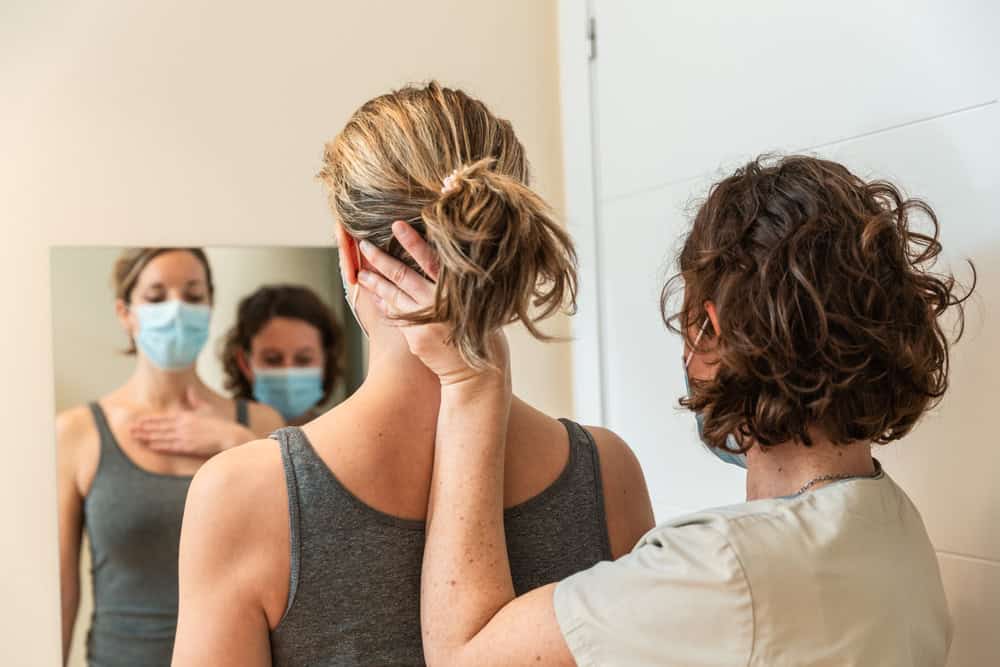
Accurate assessment is essential when addressing pelvic tilt. At Adam Vital Physiotherapy & Rehabilitation Center, physiotherapists evaluate spinal alignment, pelvic positioning, muscle strength, and joint mobility.
The assessment also considers how the pelvis behaves during movement. Observing walking, bending, and other functional tasks helps identify the muscles that are overactive and those that require strengthening.
This comprehensive evaluation allows treatment to target the root cause of the imbalance rather than simply addressing symptoms.
Rehabilitation Strategies for Pelvic Alignment
Correcting pelvic tilt imbalances involves restoring balance between muscle groups and improving the body’s ability to maintain stable posture during activity.
Strengthening the Core and Gluteal Muscles
The abdominal and gluteal muscles play an essential role in stabilising the pelvis. Strengthening these muscles helps maintain neutral alignment during standing and movement.
Exercises may include controlled core activation, glute strengthening, and functional movements that integrate the hips and trunk.
Improving Hip Mobility
Tight hip flexors or hamstrings can influence pelvic positioning. Gentle stretching and mobility work help restore flexibility and allow the pelvis to return to a balanced position.
Movement Retraining
Learning how to move with better pelvic control is a key part of rehabilitation. Physiotherapists guide patients through exercises that reinforce proper alignment during activities such as sitting, standing, lifting, and walking.
Over time these improved movement patterns reduce strain on the spine and surrounding joints.
The Importance of Daily Postural Habits
Pelvic alignment is strongly influenced by daily activity. Small adjustments to posture and movement habits can significantly support rehabilitation.
Sitting Position
When sitting, the pelvis should remain in a neutral position with the spine supported. Sitting too far back on the tailbone often encourages posterior pelvic tilt, while excessive arching may contribute to anterior tilt.
Standing Awareness
Maintaining balanced weight through both feet helps keep the pelvis level during standing. Avoiding prolonged leaning onto one hip can reduce lateral pelvic imbalance.
Regular Movement
Prolonged static positions can reinforce muscular imbalances. Changing position regularly and incorporating gentle movement throughout the day supports healthy posture.
What Patients Can Expect During Rehabilitation
Pelvic tilt correction is typically a gradual process. As muscles strengthen and mobility improves, the body begins to adopt a more balanced posture naturally.
Many patients notice improvements in comfort and mobility within several physiotherapy sessions. Continued progress depends on consistent exercise and attention to posture during everyday activities.
The goal is to create a stable foundation for movement so the spine and hips can function efficiently without unnecessary strain.
Conclusion
Pelvic tilt imbalances can influence how the spine, hips, and surrounding muscles work together during daily activity. Whether the pelvis tilts forward, backward, or sideways, the resulting muscle imbalances can contribute to lower back discomfort, reduced mobility, and inefficient movement patterns.
Through careful physiotherapy assessment and targeted rehabilitation, it is possible to restore balanced pelvic alignment and improve overall posture. At Adam Vital Physiotherapy & Rehabilitation Center, our approach focuses on precise evaluation, evidence based treatment, and personalised exercise programs that support long term recovery. If lower back or hip discomfort is affecting your posture or movement, booking an assessment is the first step toward restoring stability, improving mobility, and moving with greater confidence.
