
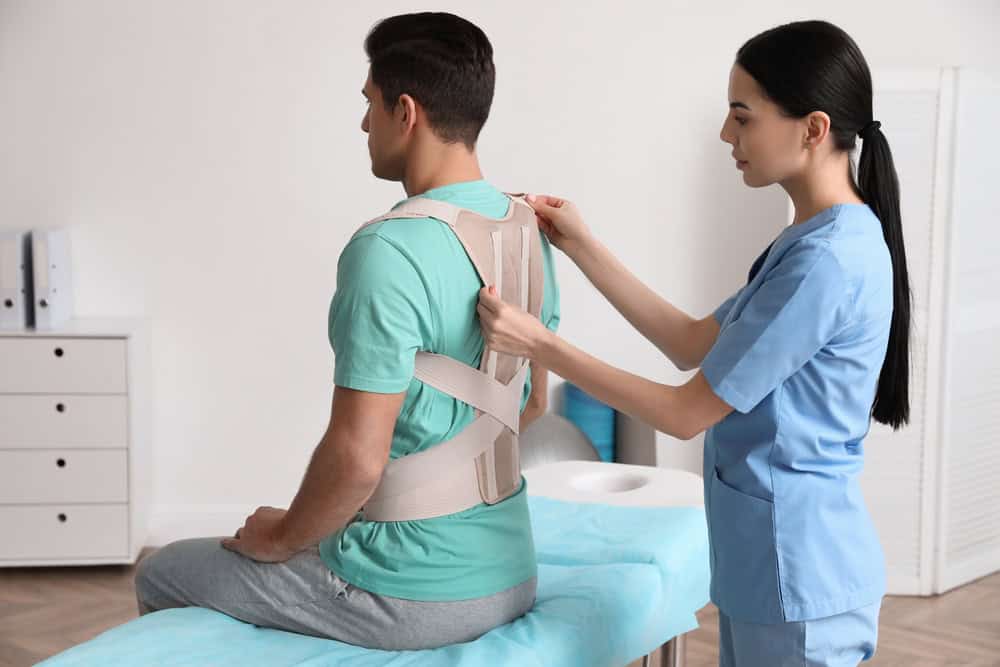
Many people experience neck stiffness, shoulder discomfort, or lower back pain without realising that posture may be contributing to the problem. Small changes in alignment can gradually place extra stress on muscles and joints, especially when daily routines involve prolonged sitting, computer work, or repetitive movement. Identifying these patterns early allows treatment to address the root cause rather than only the symptoms. At Adam Vital Physiotherapy & Rehabilitation Center in Dubai, posture evaluation forms an essential part of understanding how the body moves and where strain may be developing. Many individuals who experience persistent discomfort benefit from Posture Correction / Postural Rehab, which begins with a detailed assessment of spinal alignment, muscle balance, and movement patterns.
Why Posture Assessment Matters
Posture is more than the way a person sits or stands. It reflects how the spine, muscles, and joints work together to maintain balance and support movement. When alignment changes gradually over time, the body adapts by tightening certain muscles and weakening others.
These adaptations may not cause immediate symptoms. However, over months or years they can lead to discomfort, reduced mobility, or fatigue during everyday activities. A structured posture assessment helps identify these changes before they progress further.
Understanding the underlying mechanics allows physiotherapists to design rehabilitation programs that restore balance, improve movement efficiency, and reduce strain on the body.
Initial Clinical Observation
The first step in a posture assessment often involves careful visual observation. Physiotherapists examine how the body aligns in both standing and sitting positions.
This evaluation focuses on the relationship between the head, shoulders, spine, pelvis, and lower limbs. Even subtle shifts in alignment can reveal how muscles and joints are compensating during everyday posture.
Standing Posture Analysis
During standing observation, the physiotherapist evaluates the natural curves of the spine and the alignment of major joints. Key observations may include whether the head sits forward of the shoulders, whether the shoulders round inward, or whether the pelvis tilts excessively.
The position of the knees and ankles is also assessed, as lower limb alignment can influence the entire posture chain.
Sitting Posture Evaluation
Sitting posture provides insight into how the body behaves during desk work or sedentary activities. Physiotherapists assess whether the pelvis remains neutral, whether the spine collapses into a slouched position, and how the shoulders and neck respond to prolonged sitting.
These observations often highlight habits that contribute to postural strain.
Spinal Alignment Assessment
The spine contains natural curves that help absorb load and maintain balance. A posture assessment examines whether these curves are maintained or altered.
Cervical Spine Position
The cervical spine supports the head and allows a wide range of movement. When the head moves forward relative to the shoulders, the muscles of the neck must work harder to maintain stability.
Assessing the position of the head and neck helps identify patterns such as forward head posture.
Thoracic Spine Curvature
The thoracic spine forms the upper back. Excessive rounding in this region may indicate reduced spinal mobility or weakness in the upper back muscles.
This posture can influence shoulder movement and breathing mechanics.
Lumbar Spine Curve
The lumbar spine normally maintains a gentle inward curve. When this curve becomes exaggerated or flattened, it may indicate pelvic tilt imbalances or reduced core stability.
Evaluating this curve helps identify factors contributing to lower back discomfort.
Pelvic Position Evaluation
The pelvis acts as the base of the spine. Its alignment directly affects how the upper body balances and how the lower limbs move.
During assessment, physiotherapists examine whether the pelvis tilts forward, backward, or sideways. Each of these patterns can influence spinal curvature and muscle balance.
For example, an anterior pelvic tilt may increase the arch of the lower back, while a posterior tilt may flatten the lumbar curve.
Scapular and Shoulder Position Assessment
The shoulder blades play a central role in maintaining upper body posture. Their position influences how the shoulders and arms move during daily activities.
Scapular Position
Physiotherapists observe whether the shoulder blades sit flat against the rib cage or whether they appear elevated, tilted, or positioned too far apart.
Changes in scapular positioning may indicate weakness in the stabilising muscles of the upper back.
Shoulder Alignment
Rounded shoulders are a common postural pattern associated with prolonged desk work. Evaluating shoulder alignment helps identify tightness in the chest muscles and reduced activation of the upper back muscles.
Addressing these imbalances often forms part of rehabilitation programs focused on improving posture.
Functional Movement Analysis
Posture cannot be fully understood through static observation alone. Movement assessment reveals how the body behaves during everyday tasks.
Physiotherapists may ask patients to perform simple movements such as bending, reaching, or squatting. Observing these movements highlights how muscles coordinate and whether certain joints compensate for limited mobility elsewhere.
For example, restricted thoracic spine mobility may cause the shoulders or lower back to compensate during reaching tasks.
Muscle Strength and Flexibility Testing
Postural dysfunctions often involve a combination of tight muscles and weaker stabilising muscles. Strength and flexibility testing helps identify these imbalances.
Muscle Activation Patterns
Physiotherapists evaluate whether key stabilising muscles activate correctly during movement. Reduced activation may contribute to poor alignment and inefficient posture.
Flexibility Assessment
Tightness in certain muscle groups can influence posture significantly. For example, tight hip flexors may contribute to pelvic tilt, while tight chest muscles may encourage rounded shoulders.
Identifying these restrictions allows treatment to target the areas most responsible for postural changes.
Technology and Measurement Tools
Some posture assessments may also include measurement tools that provide additional insight into alignment.
Postural Grid Analysis
A posture grid or alignment chart can help visualise how the body aligns relative to vertical reference lines. This method allows physiotherapists to compare the positions of different body segments more precisely.
Digital Posture Analysis
In some cases digital imaging tools may be used to measure angles of the spine and joints. These measurements provide objective data that can help track improvement over time.
These tools complement clinical observation but always form part of a broader physiotherapy assessment.
Developing a Personalised Rehabilitation Plan
Once the posture assessment is complete, physiotherapists can identify the key factors influencing posture. Treatment plans typically address three main areas.
First, mobility exercises help release tight muscles and improve joint movement. Second, strengthening exercises target stabilising muscles that support healthy alignment. Third, movement retraining helps patients apply these improvements during daily activity.
Education also plays an important role. Understanding how posture changes during work, exercise, and daily routines allows patients to make practical adjustments that support recovery.
Conclusion
Posture assessment is a structured process that examines how the body aligns and moves. By evaluating spinal curvature, pelvic positioning, shoulder alignment, and movement patterns, physiotherapists can identify the underlying causes of postural discomfort.
At Adam Vital Physiotherapy & Rehabilitation Center, this detailed assessment forms the foundation for targeted rehabilitation. By understanding how your body moves and where imbalance exists, treatment can focus on restoring alignment, strengthening key muscles, and improving movement efficiency. If posture related discomfort is affecting your daily activities, booking a physiotherapy assessment is the first step toward restoring balance, reducing strain, and moving with greater confidence.
