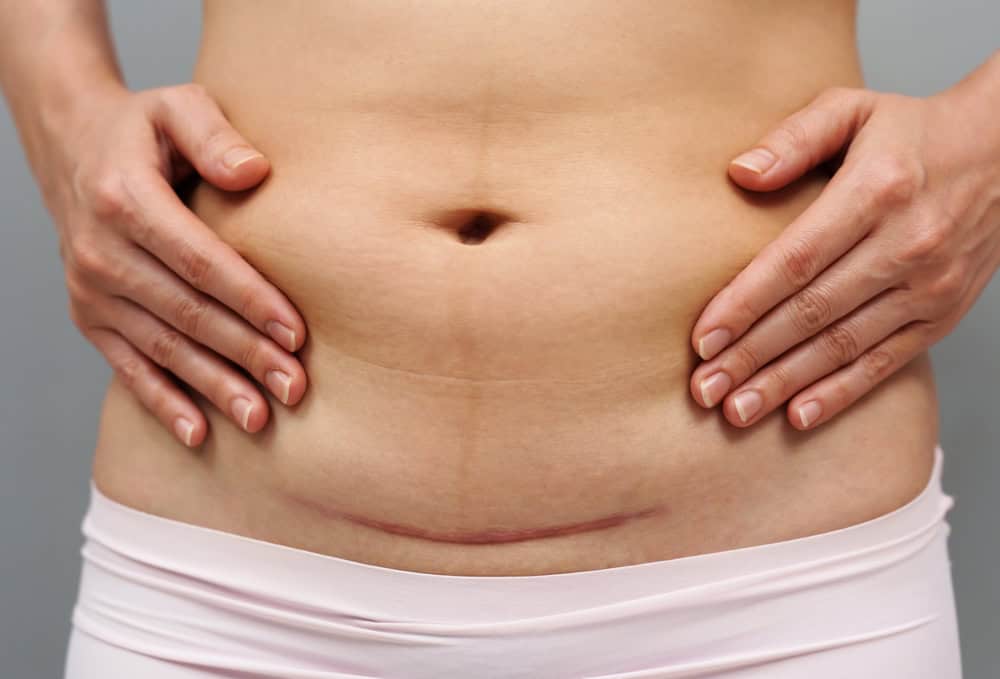
After a caesarean birth, most patients expect the scar to heal over time and become less noticeable. However, some may experience ongoing tightness, pulling, or discomfort that does not improve as expected. These symptoms can be linked to adhesion formation beneath the surface. At C-Section Scar Rehabilitation, recognising the signs of adhesions early allows for targeted treatment that restores mobility and supports long-term recovery.
What Are Adhesions
Adhesions are areas where scar tissue forms connections between tissues that would normally move independently. After surgery, this is part of the body’s natural healing response. However, when these connections become excessive or restrictive, they can limit movement and affect function.
In the case of a C-section, adhesions may develop between layers of the abdominal wall, fascia, and surrounding structures. This can influence how your body moves, how your core functions, and how comfortable daily activities feel.
Why Adhesions Form
Adhesion formation is influenced by the healing process, tissue response, and how movement is reintroduced after surgery. Limited mobility, protective tension, and reduced circulation in the area can contribute to increased restriction.
Why Identifying Adhesions Early Matters
Adhesions are not always immediately obvious. Symptoms may develop gradually and can be mistaken for general post-surgical discomfort.
Preventing Long-Term Restriction
Early identification allows for targeted intervention before restrictions become more established and harder to address.
Supporting Normal Movement
Restoring tissue mobility helps your body move more efficiently and reduces the need for compensation.
Reducing Discomfort
Addressing adhesions can reduce ongoing pulling sensations and improve overall comfort.
Common Signs of Adhesion Formation
Adhesions can present in different ways depending on their location and severity.
Persistent Tightness Around the Scar
A feeling of stiffness or restriction that does not improve over time may indicate that tissues are not moving freely.
Pulling Sensations During Movement
You may feel a pulling or tugging sensation when standing upright, stretching, or changing positions. This is often linked to restricted tissue movement.
Reduced Mobility in the Abdomen
The abdominal area may feel less flexible, especially during movements that involve extension or rotation.
Visible Restriction of the Skin
The skin over the scar may appear to move unevenly or feel stuck to underlying structures when touched or moved.
Discomfort With Specific Activities
Activities such as lifting, bending, or exercising may trigger discomfort in a consistent pattern.
Changes in Posture
You may unconsciously adopt a slightly guarded or forward posture to avoid discomfort, which can contribute to additional strain elsewhere in the body.
How Adhesions Affect the Body
The impact of adhesions extends beyond the local area of the scar.
Altered Movement Patterns
When tissues cannot move freely, your body compensates by using other muscles or joints. This can reduce efficiency and increase strain.
Reduced Core Function
Adhesions can interfere with how the abdominal muscles activate and coordinate, affecting stability and control.
Impact on Surrounding Areas
Restrictions in the abdominal region can contribute to discomfort in the lower back, hips, or pelvis due to altered movement patterns.
When Adhesions Are More Likely to Develop
While adhesions can form in any recovery, certain factors may increase the likelihood of restriction.
- Limited movement in the early stages of recovery
- High levels of protective tension around the incision
- Delayed introduction of rehabilitation exercises
- Previous abdominal surgeries
Understanding these factors helps guide prevention and management strategies.
How Adhesions Are Assessed
Assessment involves understanding both how the tissue feels and how your body moves.
Palpation of the Scar Area
The therapist assesses how the skin and underlying tissues move, identifying areas of restriction or reduced glide.
Movement Analysis
Your movement patterns are evaluated to identify compensations or limitations linked to the scar area.
Symptom Review
Your description of discomfort, tightness, or movement challenges helps guide the assessment.
Managing Adhesions Effectively
Adhesions respond best to a structured approach that combines manual therapy with active rehabilitation.
Scar and Tissue Mobilisation
Targeted techniques help restore movement between tissue layers, reducing restriction and improving flexibility.
Myofascial Release
Deeper techniques address fascial restrictions that may not be resolved through surface work alone.
Movement-Based Rehabilitation
Exercises reinforce improved mobility and help integrate changes into functional movement patterns.
Breathing and Core Coordination
Improving how your core system functions supports better pressure management and reduces strain on the tissues.
What to Expect With Treatment
Gradual Improvement
Changes in tissue mobility and symptoms occur over time with consistent input.
Improved Movement Comfort
As restrictions reduce, movements become more comfortable and efficient.
Better Core Function
Restoring tissue mobility supports improved coordination and stability.
Preventing Adhesion-Related Issues
While not all adhesions can be prevented, certain strategies support better outcomes.
- Introducing movement early and progressively
- Maintaining good posture and alignment
- Following a structured rehabilitation plan
- Addressing symptoms as they arise rather than waiting
Consistency in these areas supports more effective healing.
When to Seek Professional Guidance
If you notice ongoing tightness, discomfort, or restricted movement, it may be beneficial to seek guidance.
- Symptoms that do not improve over time
- Persistent pulling sensations during movement
- Difficulty returning to normal activities
- Uncertainty about how to manage your recovery
A structured assessment provides clarity and a targeted plan for improvement.
Conclusion
Adhesion formation after a C-section can affect how your body moves and feels, but early recognition and appropriate management can make a significant difference. By addressing restrictions and supporting tissue mobility, you can improve comfort, restore function, and reduce the risk of long-term issues. If you suspect that adhesions may be affecting your recovery, a guided assessment can help you move forward with a clear and effective plan.
