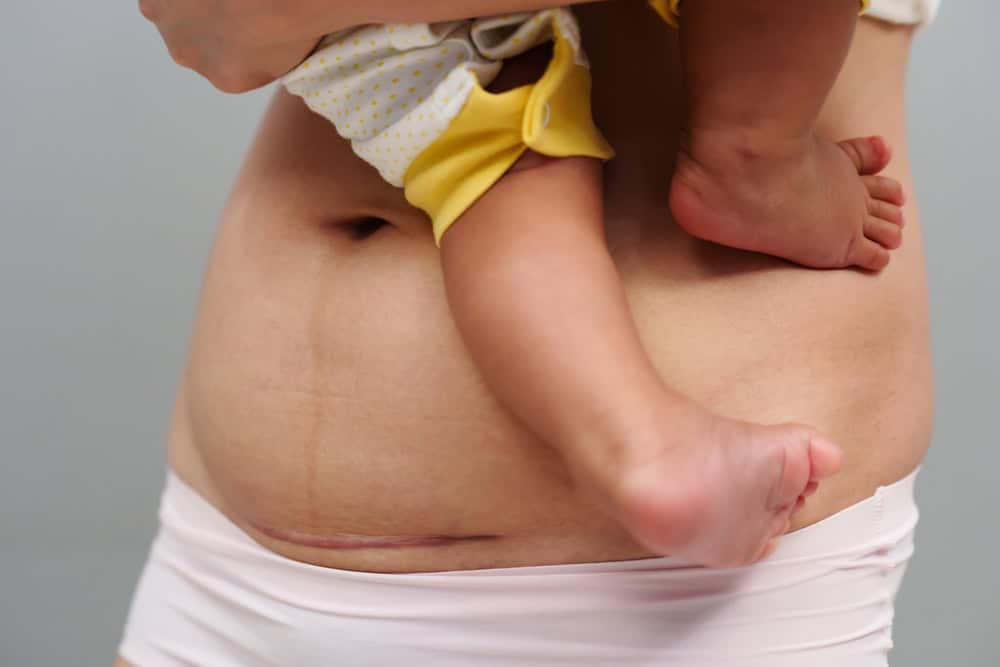
After a caesarean birth, your scar may feel tight, sensitive, or slightly uncomfortable during movement. While the surface may appear healed, the deeper layers often require targeted input to restore mobility and reduce restriction. Learning how to massage your C-section scar safely and effectively can support healing and improve how your body feels and moves. At C-Section Scar Rehabilitation, scar massage is introduced as part of a structured recovery plan to restore tissue flexibility and support long-term function.
Why Scar Massage Is Important
Scar tissue forms as part of the natural healing process. However, this tissue can become stiff or adhered to surrounding structures, limiting movement and creating discomfort.
Scar massage helps improve how the tissues move, reducing tightness and supporting better function across the abdominal wall.
Key Benefits of Scar Massage
- Improves mobility of the scar and surrounding tissues
- Reduces pulling sensations during movement
- Supports nerve recovery and sensation
- Enhances comfort during daily activities
- Prepares the body for strengthening and exercise
These benefits contribute to a more complete and efficient recovery.
When to Start Scar Massage
Timing is essential to ensure that massage supports healing rather than causing irritation.
Wait for Proper Healing
Scar massage should only begin once the incision is fully closed and there are no signs of infection, redness, or open areas. This is typically several weeks after surgery, but individual timelines may vary.
Start Gradually
Initial techniques should be gentle and focused on introducing movement rather than applying pressure. As your tolerance improves, the approach can be progressed.
If you are unsure whether your scar is ready, a professional assessment provides clear guidance.
Preparing for Scar Massage
Create a Comfortable Environment
Choose a position where you feel relaxed and supported, such as lying down with your upper body slightly elevated.
Use Gentle Pressure
Your touch should be controlled and comfortable. Avoid pressing too deeply, especially in the early stages.
Keep the Skin Hydrated
Using a suitable oil or cream can reduce friction and allow smoother movement across the skin.
Step-by-Step Techniques for Scar Massage
These techniques are introduced progressively. You do not need to perform all of them at once.
1. Light Surface Contact
Begin with gentle contact over and around the scar. This helps your body become comfortable with touch and introduces sensory input.
Move your fingers lightly across the area without applying pressure.
2. Circular Movements
Once comfortable, use small circular motions over the scar and surrounding tissue.
- Keep movements slow and controlled
- Work across the entire length of the scar
- Adjust pressure based on comfort
This helps improve mobility in the superficial layers.
3. Side-to-Side Movement
Gently move the skin side to side along the scar. This introduces movement in a different direction and helps reduce restriction.
The motion should be subtle and controlled.
4. Up-and-Down Movement
Move the skin gently up and down across the scar. This helps address restrictions in multiple directions.
5. Skin Lifting
As tolerance improves, you can gently lift the skin away from the underlying tissue.
- Use a light pinch to lift the skin
- Avoid pulling or causing discomfort
- Progress gradually over time
This technique helps improve deeper mobility.
How Often to Perform Scar Massage
Consistency is more important than intensity.
Short, Regular Sessions
Performing massage for a few minutes each day is more effective than occasional longer sessions.
Adjust Based on Response
If the area feels sensitive, reduce intensity or frequency. If it feels comfortable, you can gradually increase duration.
What You Should Feel During Massage
Mild Discomfort Is Acceptable
You may feel slight sensitivity or tightness, especially in the early stages. This should remain manageable and not increase significantly during or after the session.
No Sharp Pain
Sharp or intense pain is a sign to reduce pressure or stop. The process should be controlled and comfortable.
Gradual Improvement
Over time, the scar should feel more flexible, and movements should become more comfortable.
Common Mistakes to Avoid
Starting Too Early
Massaging before the scar has fully healed can irritate the tissue and delay recovery.
Using Excessive Pressure
Applying too much pressure can increase sensitivity and inflammation. Gentle progression is more effective.
Inconsistent Practice
Irregular massage limits progress. Consistency supports gradual improvement.
Focusing Only on the Scar Line
Surrounding tissues also need attention, as restrictions can extend beyond the visible scar.
Integrating Scar Massage With Recovery
Scar massage is most effective when combined with other aspects of rehabilitation.
Breathing and Core Work
Coordinating massage with breathing exercises supports better pressure management and muscle activation.
Movement and Strengthening
Improved tissue mobility should be reinforced with exercises that restore strength and function.
Postural Awareness
Maintaining good posture reduces strain on the scar and supports overall recovery.
When to Seek Professional Guidance
While self-massage can be effective, some situations benefit from additional support.
- Persistent tightness or restriction
- Significant sensitivity or discomfort
- Uncertainty about technique or progression
- Limited improvement over time
A structured assessment helps ensure that your approach is effective and appropriate for your stage of recovery.
Conclusion
Learning how to massage your C-section scar is a practical and effective way to support healing, improve mobility, and reduce discomfort. With a gentle, consistent approach, you can help your body regain flexibility and function. If you are unsure how to begin or want to ensure you are progressing safely, a guided assessment provides clear direction and personalised support to help you move forward with confidence.
