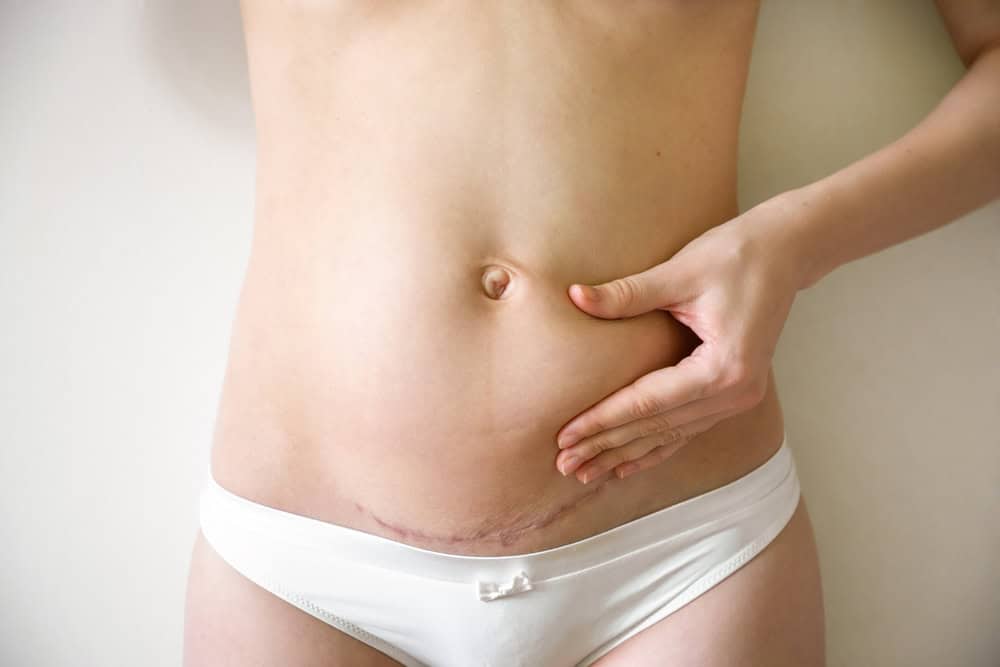
After a caesarean birth, it is common to focus on the visible healing of the incision while overlooking what is happening beneath the surface. Tightness, pulling sensations, or discomfort during movement often come from deeper restrictions within the scar tissue. At C-Section Scar Rehabilitation, scar mobilization plays a key role in restoring normal movement, reducing discomfort, and supporting long-term recovery.
What Happens When a Scar Forms
A C-section involves multiple layers of tissue, including skin, fat, fascia, and muscle. As your body heals, these layers form scar tissue to close and protect the surgical site. This is a normal and essential process.
However, scar tissue does not always form in a way that allows smooth movement between layers. Instead of gliding freely, tissues can become adhered or restricted. This can affect how your body moves, how force is transferred through your core, and how comfortable everyday activities feel.
Why Scar Tissue Behaves Differently
Unlike healthy tissue, scar tissue is less elastic and less organised. It can create stiffness, reduced flexibility, and altered sensation. Without targeted input, these restrictions can persist long after the surface appears healed.
Why Scar Mobilization Is Important
Scar mobilization is a guided process that helps restore movement and flexibility within the scar and surrounding tissues. It is not about forcing movement. It is about gradually encouraging the tissues to adapt and function more normally.
Restoring Tissue Mobility
One of the primary goals is to improve how the layers beneath the skin glide over each other. This reduces stiffness and allows your body to move more freely during activities such as bending, lifting, and twisting.
Reducing Pain and Discomfort
Tight or restricted scar tissue can create pulling sensations or localized discomfort, especially during movement. By improving mobility, these symptoms often reduce over time.
Supporting Core Function
The abdominal wall works as a coordinated system. Restrictions in the scar area can disrupt how muscles activate and stabilise your body. Mobilization helps restore more balanced muscle function.
Improving Sensation
It is common to experience numbness, tingling, or heightened sensitivity around the scar. Gentle, progressive input can help desensitise the area and support nerve recovery.
When to Start Scar Mobilization
Timing is important. Scar mobilization should only begin once the incision has healed sufficiently and there are no signs of infection or open areas.
Early Phase Considerations
In the first few weeks, the focus is on protection and gentle awareness rather than direct pressure on the scar. Light touch and breathing exercises may be introduced to support early recovery.
Progressive Introduction
Once healing is established, more direct techniques can be safely introduced. These are gradual and controlled, ensuring that the tissue responds positively without irritation.
If you are unsure whether you are ready to begin, a professional assessment provides clarity and ensures safe progression.
Common Signs That Scar Mobilization Is Needed
Not every scar will feel the same. Some heal with minimal restriction, while others develop noticeable tightness or sensitivity. Recognising the signs early helps guide the right approach.
- A pulling or tugging sensation when standing upright or stretching
- Stiffness around the lower abdomen
- Discomfort during movements such as rolling, lifting, or twisting
- Numbness or altered sensation around the scar
- Visible puckering or uneven movement of the skin
These signs do not mean something is wrong, but they do indicate that the tissue may benefit from targeted input.
How Scar Restrictions Affect Movement
The abdominal area plays a central role in movement and stability. When scar tissue limits mobility, the body often compensates in other areas.
Impact on Posture
Restricted tissue can encourage a slightly forward or guarded posture. Over time, this can contribute to discomfort in the lower back or hips.
Altered Movement Patterns
You may unconsciously avoid certain movements or rely more on surrounding muscles. This can reduce efficiency and increase strain elsewhere in the body.
Reduced Core Coordination
The deep core muscles may not activate as effectively when movement is restricted. This affects stability during both simple and demanding tasks.
What Scar Mobilization Involves
Scar mobilization is not a single technique. It is a structured process that evolves as your recovery progresses.
Gentle Tissue Work
Initial techniques focus on light pressure and small movements to introduce mobility without causing irritation. This helps the tissue adapt gradually.
Progressive Depth and Direction
As tolerance improves, techniques may involve deeper layers and different directions of movement. This supports more comprehensive mobility.
Integration With Movement
Mobilization is combined with functional exercises to ensure that improvements in tissue flexibility translate into better movement patterns.
Addressing Concerns Around Scar Work
Will It Be Painful
Scar mobilization should not be painful. You may feel mild discomfort or sensitivity, but the process is controlled and adapted to your tolerance.
Can I Do It Myself
Self-management techniques can be effective when guided correctly. However, understanding how much pressure, direction, and frequency to use is important. Professional guidance ensures that you are doing the right thing at the right time.
What If My Scar Is Old
Even if your C-section was months or years ago, scar tissue can still respond to treatment. While changes may take longer, improvement is still possible.
Long-Term Benefits of Scar Mobilization
Addressing scar mobility early has a lasting impact on your recovery and overall function.
- Improved comfort during daily activities
- Better posture and movement efficiency
- Stronger and more coordinated core function
- Reduced risk of compensatory pain in the back or hips
- Greater confidence in movement and exercise
These outcomes support not only recovery but also long-term physical resilience.
Why Guidance Makes a Difference
Scar tissue responds best to the right type of input at the right stage of healing. Too much pressure too soon can irritate the tissue, while too little input may not create meaningful change.
A guided approach ensures that your rehabilitation is precise, progressive, and aligned with your body’s needs. It also helps integrate scar work into a broader recovery plan that includes strength, mobility, and functional movement.
Conclusion
Scar mobilization is an essential part of C-section recovery that goes beyond surface healing. It restores movement, reduces discomfort, and supports how your body functions as a whole. With the right approach, you can improve how your body feels and moves, both in daily life and in more demanding activities. If your scar feels tight, sensitive, or limiting, a structured assessment and personalised plan can help you move forward with clarity and confidence.
