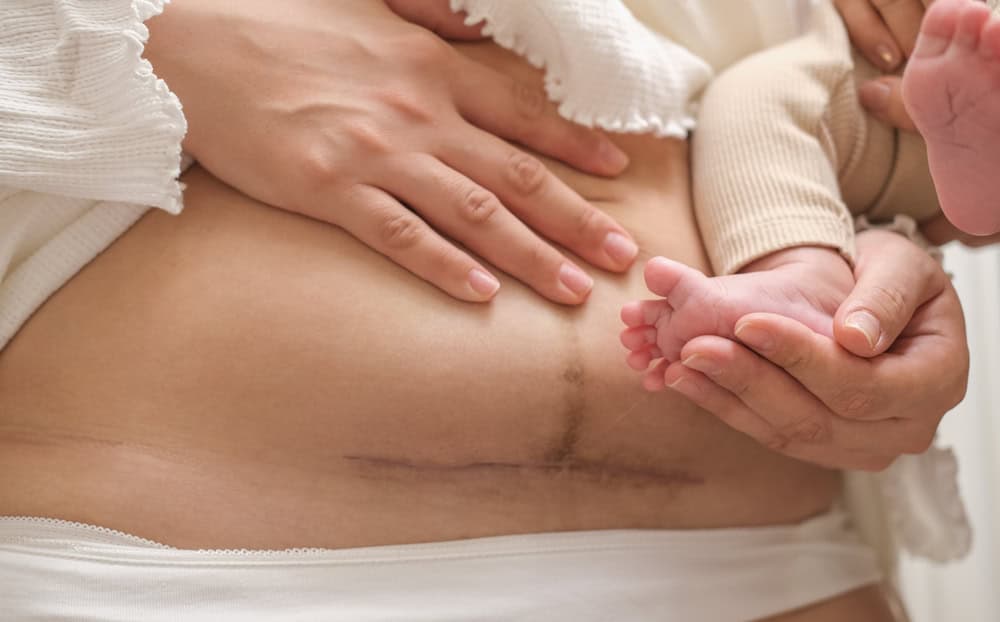
After a caesarean birth, lifting becomes part of daily life very quickly, whether it is your baby, a car seat, or everyday household items. However, lifting too much or using poor technique in the early stages can place unnecessary strain on healing tissues and delay recovery. At C-Section Scar Rehabilitation, lifting is guided with clear, progressive principles to protect healing, restore strength, and support safe return to normal activity.
Why Lifting Needs to Be Managed Carefully
A C-section involves surgical disruption of the abdominal wall, which plays a key role in stabilising your body during lifting. In the early stages, this system is not yet ready to handle significant load.
Lifting without proper control can increase pressure within the abdomen, strain the incision, and affect how your core and pelvic floor function.
The Role of the Core During Lifting
Your core system provides stability when you lift. This includes the deep abdominal muscles, pelvic floor, and diaphragm working together to manage pressure and support movement.
After a C-section, this coordination needs to be rebuilt before heavier lifting is introduced.
General Lifting Guidelines in Early Recovery
In the first few weeks, lifting should be kept to a minimum and carefully managed.
Keep Loads Light
A common guideline is to avoid lifting anything heavier than your baby in the early stages. Even then, technique and control are important.
Limit Repetitive Lifting
Frequent lifting throughout the day can create cumulative strain. Spacing out tasks helps reduce overload.
Avoid Sudden Movements
Quick or jerky movements increase pressure on the abdomen. Controlled, deliberate movements are safer.
Use Support When Needed
Positioning, using both arms, and supporting your body can reduce the effort required.
Key Principles for Safe Lifting
Keep the Load Close to Your Body
Holding the load close reduces the strain on your abdomen and back. Reaching or lifting away from your body increases the demand on your core.
Use Your Legs, Not Your Back
Bending through your knees and hips allows your stronger lower body muscles to assist, reducing strain on your abdomen.
Engage Your Core Gently
A subtle activation of the deep abdominal muscles provides support during lifting. This should feel controlled, not forced.
Coordinate With Your Breath
Exhaling gently during the lifting phase helps manage pressure and supports core stability.
Avoid Twisting While Lifting
Twisting increases strain on the abdominal wall. Turn your whole body instead of rotating through your torso.
Step-by-Step Safe Lifting Technique
1. Prepare Your Position
Stand close to the object with your feet stable and evenly placed.
2. Bend Through Your Hips and Knees
Lower yourself by bending your knees while keeping your back in a neutral position.
3. Hold the Load Close
Bring the object or your baby close to your body before lifting.
4. Lift With Control
Use your legs to stand up while gently engaging your core and exhaling.
5. Stabilise Before Moving
Once upright, ensure you feel stable before walking or changing direction.
Lifting Your Baby Safely
Frequent lifting of your baby is unavoidable, so applying safe technique is essential.
From a Cot or Low Surface
Lower yourself as close as possible before lifting to reduce strain. Avoid reaching forward from a standing position.
From the Floor
Use a supported squat or kneeling position to bring yourself closer to your baby before lifting.
During Transfers
Move slowly and with control when transferring your baby between positions.
Progressing Lifting Capacity Over Time
Your ability to lift will improve as your strength and control return.
Early Phase
Focus on light loads and controlled technique.
Mid-Recovery Phase
Gradually introduce slightly heavier loads with proper form and core control.
Later Phase
Return to more demanding lifting tasks as your body demonstrates readiness.
Progression should always be guided by how your body responds.
Signs You May Be Lifting Too Much
Your body will provide feedback if the load or frequency is too high.
- Increased pain or discomfort around the incision
- A pulling sensation during or after lifting
- Difficulty maintaining control or posture
- Fatigue that does not improve with rest
- Symptoms such as abdominal bulging or pelvic discomfort
These signs indicate that your current approach may need to be adjusted.
Common Mistakes to Avoid
Reaching and Lifting at the Same Time
This increases strain on the abdomen. Always position yourself close before lifting.
Holding Your Breath
Breath holding increases internal pressure and strain on the healing tissues.
Twisting With a Load
Rotational movements under load can stress the abdominal wall.
Ignoring Early Discomfort
Pain or pulling sensations should guide your activity level, not be ignored.
How Safe Lifting Supports Recovery
Applying proper lifting techniques supports both healing and long-term function.
Protects the Healing Tissues
Reducing strain allows the incision and surrounding tissues to heal effectively.
Supports Core Rehabilitation
Using correct technique reinforces the coordination of your core system.
Reduces Risk of Secondary Pain
Proper lifting reduces strain on the back, hips, and other areas.
Builds Confidence in Movement
Knowing how to lift safely allows you to move with greater confidence in daily life.
When to Seek Guidance
If you are unsure how to lift safely or experience discomfort during lifting, professional guidance can help.
- Persistent pain during or after lifting
- Uncertainty about technique
- Difficulty progressing to heavier loads
- Symptoms affecting daily activities
A structured assessment provides clear guidance and a personalised plan to support your recovery.
Conclusion
Lifting after a C-section requires a careful, structured approach to protect healing and support recovery. By focusing on technique, managing load, and progressing gradually, you can restore strength and confidence safely. If you are unsure how to approach lifting or want to ensure you are progressing effectively, a guided assessment provides the clarity and support you need to move forward with confidence.
