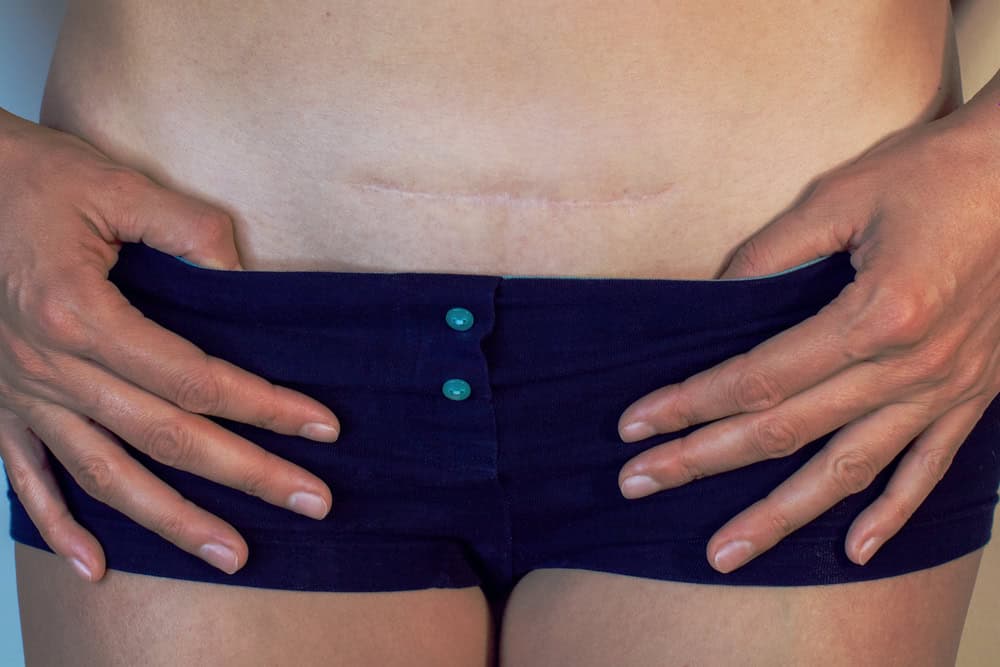
After a caesarean birth, it is common to experience sensitivity, itching, or unusual sensations around the scar. These symptoms can feel distracting or uncomfortable, especially when clothing rubs against the area or during movement. While they are often part of normal healing, they can persist if not managed effectively. At C-Section Scar Rehabilitation, reducing sensitivity and itching is approached in a structured way to support nerve recovery, improve comfort, and restore confidence in how your body feels.
Why Sensitivity and Itching Occur
During a C-section, small nerves in the skin and underlying tissues are affected. As healing progresses, these nerves begin to regenerate and reconnect. This process can create a range of sensations, including itching, tingling, or heightened sensitivity.
In addition, scar tissue forms as part of healing. This tissue can behave differently from normal skin, contributing to changes in how the area responds to touch and movement.
The Role of Nerve Recovery
Nerve healing is gradual and can feel unpredictable. Signals between the skin and the brain may be altered, leading to sensations that feel unusual or exaggerated. This is a normal part of the recovery process.
Common Sensations You May Experience
These symptoms can vary in intensity and may change over time.
- Itching around or along the scar
- Increased sensitivity to touch or clothing
- Tingling or pins and needles sensations
- A burning or pulling feeling during movement
- Areas of both numbness and sensitivity
These sensations may come and go and often evolve as healing progresses.
Why Managing Sensitivity Matters
Although these symptoms are common, addressing them early supports a more comfortable and effective recovery.
Improving Comfort in Daily Life
Reducing sensitivity makes it easier to wear clothing, move freely, and carry out daily activities without discomfort.
Supporting Nerve Adaptation
Guided input helps the nerves adjust and respond more normally over time.
Reducing Protective Tension
When an area feels sensitive, the body may guard it. This can lead to stiffness and altered movement patterns.
Enhancing Confidence in Movement
Feeling more comfortable in the area allows you to move with greater ease and less hesitation.
When to Start Addressing Sensitivity
Management should begin at an appropriate stage of healing.
Early Awareness
In the initial weeks, focus on gentle awareness of the area without direct pressure. This helps you become more comfortable with the sensation.
Progressive Input
Once the incision is fully healed, more direct techniques can be introduced to gradually reduce sensitivity.
If there is any uncertainty, a professional assessment can guide you on when and how to begin.
Techniques to Reduce Sensitivity and Itching
Introducing controlled, varied input helps retrain how the area responds to sensation.
Light Touch Exposure
Start with gentle contact using your fingertips or a soft material. This helps the area become more accustomed to touch.
Texture Variation
Using different textures, such as soft fabrics or slightly firmer materials, introduces varied sensory input. This supports nerve adaptation.
Gentle Pressure
Applying light, controlled pressure can help reduce sensitivity over time. This should always remain within your comfort level.
Temperature Awareness
Introducing mild temperature changes, such as warm or cool sensations, can help retrain how the skin responds.
Scar Massage
Once appropriate, gentle scar massage helps improve tissue mobility and reduces sensitivity by introducing consistent input.
Managing Itching Effectively
Avoid Scratching
Scratching can irritate the skin and increase sensitivity. Instead, use gentle pressure or light massage to manage the sensation.
Keep the Area Hydrated
Using suitable creams or oils helps maintain skin hydration and can reduce irritation.
Wear Comfortable Clothing
Loose, soft fabrics reduce friction and minimise irritation.
Monitor Triggers
Pay attention to factors that increase itching, such as certain fabrics or prolonged pressure, and adjust accordingly.
What to Expect During Recovery
Gradual Improvement
Sensitivity and itching typically reduce over time as nerve function improves.
Fluctuating Sensations
It is normal for symptoms to vary. Some days may feel more sensitive than others.
Response to Consistent Input
Regular, gentle techniques help the area adapt more effectively than occasional intense input.
Common Challenges and How to Address Them
High Sensitivity to Touch
If the area feels very sensitive, start with indirect contact around the scar and gradually move closer as tolerance improves.
Fear of Irritating the Area
It is natural to feel cautious. Starting with gentle techniques builds confidence and helps you understand your limits.
Slow Progress
Nerve recovery can take time. Small, consistent improvements are a positive sign.
How Sensory Recovery Supports Overall Function
Improving sensation has benefits beyond comfort.
Better Core Activation
Sensory input from the abdominal area supports muscle activation and coordination.
Improved Movement Quality
As sensitivity reduces, movement becomes more natural and less guarded.
Enhanced Confidence
Feeling more comfortable in your body allows you to engage more fully in daily activities and exercise.
When to Seek Professional Guidance
While sensitivity and itching are common, certain situations may require additional support.
- Persistent or worsening symptoms
- Significant discomfort affecting daily activities
- Uncertainty about safe techniques
- Limited improvement over time
A structured assessment can identify the underlying factors and provide a tailored plan for improvement.
Conclusion
Sensitivity and itching around a C-section scar are a normal part of healing, but they can be managed effectively with the right approach. By introducing gentle, consistent input and supporting nerve recovery, you can improve comfort and restore normal sensation. If these symptoms are affecting your daily life or you are unsure how to manage them, a guided assessment can provide clear direction and personalised support to help you move forward with confidence.
