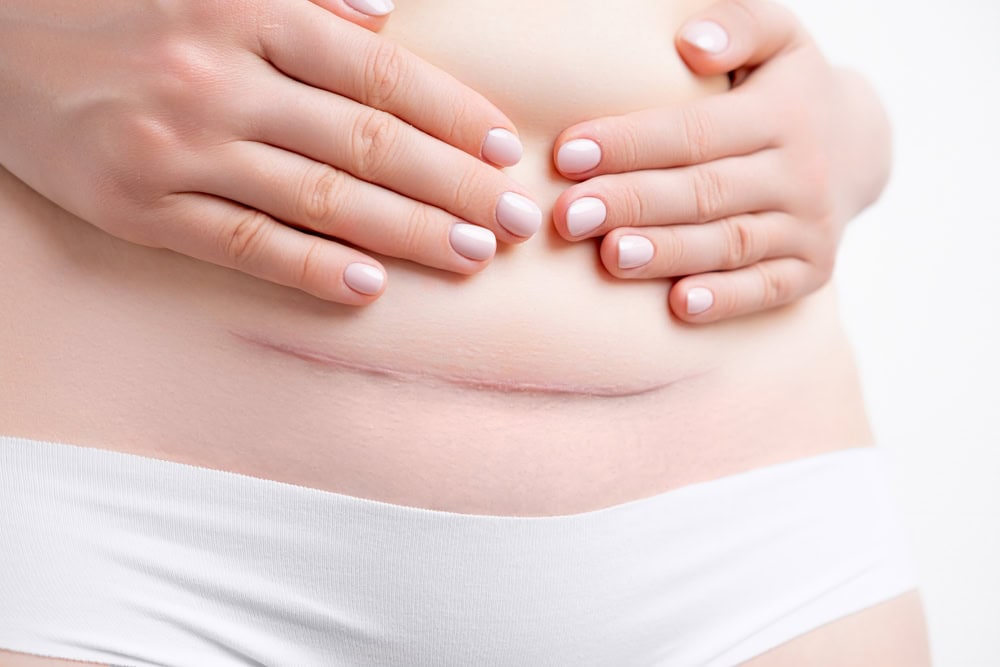
After a caesarean birth, it is common to experience tightness, discomfort, or a sense of restriction around the abdomen and surrounding areas. These changes are often linked to how tissues heal, how the body compensates, and how movement patterns adapt during recovery. At C-Section Scar Rehabilitation, manual therapy techniques are used to support healing, restore mobility, and improve how your body functions as a whole.
What Is Manual Therapy
Manual therapy involves hands-on techniques applied by a trained physiotherapist to improve the mobility and function of muscles, joints, and connective tissues. It is not a one-size-fits-all approach. Each technique is selected based on your symptoms, stage of recovery, and how your body responds.
The aim is not only to reduce discomfort but to create meaningful changes in how your body moves and supports itself.
Why Hands-On Treatment Matters
After surgery, tissues can become stiff, sensitive, or restricted. Manual therapy provides targeted input that helps these tissues adapt and recover more effectively than movement alone.
How a C-Section Affects the Body
A C-section impacts multiple layers of tissue, including skin, fascia, and muscle. It also influences posture, breathing, and how your core system functions.
These changes can lead to:
- Scar tightness and reduced tissue mobility
- Altered movement patterns
- Increased tension in surrounding areas such as the lower back and hips
- Reduced coordination of the core and pelvic system
Manual therapy helps address these factors as part of a structured rehabilitation plan.
Key Goals of Manual Therapy After a C-Section
Improving Tissue Mobility
Restoring movement between tissue layers allows your body to move more freely and efficiently.
Reducing Discomfort
Targeted techniques help reduce tension and sensitivity, improving overall comfort.
Supporting Core Function
By addressing restrictions, manual therapy supports better activation and coordination of the core muscles.
Enhancing Recovery Progression
Improved mobility and reduced discomfort make it easier to progress through strengthening and functional exercises.
Common Manual Therapy Techniques Used
The specific techniques used will depend on your individual needs and stage of recovery.
Scar Mobilization
This technique focuses on improving the mobility of the scar and surrounding tissues. Gentle, progressive movements help reduce adhesions and restore flexibility.
It also supports improved sensation and reduces pulling or tightness during movement.
Myofascial Release
This approach targets the fascia, helping to release deeper restrictions that may not be addressed through surface techniques alone.
It is applied with sustained, controlled pressure, allowing the tissue to adapt gradually.
Soft Tissue Therapy
Muscles around the abdomen, back, and hips may become tight or overactive. Soft tissue techniques help reduce this tension and improve overall movement.
Joint Mobilisation
Changes in posture and movement can affect joint mobility, particularly in the spine and pelvis. Gentle joint techniques help restore normal movement and reduce stiffness.
Desensitisation Techniques
For areas of altered sensation, manual input helps retrain how the nerves respond. This is especially useful for managing numbness or sensitivity around the scar.
When to Start Manual Therapy
Timing is important to ensure that treatment supports healing without causing irritation.
Early Stage
In the initial weeks, manual therapy is gentle and focused on areas around the incision rather than directly on it. The priority is protection and comfort.
Progressive Introduction
As healing progresses, more direct techniques can be introduced. The approach is always adapted based on how your body responds.
A professional assessment ensures that treatment begins at the appropriate stage.
What to Expect During a Session
Assessment First
Each session begins with an understanding of your current symptoms, movement patterns, and tissue response.
Tailored Treatment
Techniques are selected based on your needs. The intensity and focus are adjusted throughout the session.
Clear Communication
You are guided through what is being done and why. Feedback is encouraged to ensure that treatment remains comfortable and effective.
Integration With Exercise
Manual therapy is combined with targeted exercises to reinforce improvements and support long-term progress.
How Manual Therapy Feels
The experience can vary depending on the technique and the area being treated.
Comfortable and Controlled
Most techniques involve gentle pressure and controlled movement. You may feel a stretching or releasing sensation.
Mild Sensitivity
Some areas may be more sensitive, especially around the scar. This is managed carefully to avoid irritation.
Post-Treatment Response
It is common to feel a sense of looseness or improved movement. Mild soreness may occur but should settle quickly.
Benefits of Manual Therapy in Recovery
When used as part of a structured rehabilitation plan, manual therapy offers a range of benefits.
- Improved flexibility and movement in the abdominal area
- Reduced discomfort and tension
- Better coordination of the core system
- Enhanced posture and movement efficiency
- Support for progression into strengthening and functional training
These outcomes contribute to a more complete and effective recovery.
Common Misconceptions
It Is Only for Pain Relief
While manual therapy can reduce discomfort, its primary role is to improve function and support recovery.
It Replaces Exercise
Manual therapy is most effective when combined with active rehabilitation. Movement and strengthening are essential for long-term results.
It Should Be Forceful to Be Effective
Effective treatment does not require force. Controlled, precise techniques are more beneficial and reduce the risk of irritation.
Why a Structured Approach Matters
Manual therapy should be applied at the right time, in the right way, and as part of a broader recovery plan. This ensures that improvements in tissue mobility are supported by strength, coordination, and functional movement.
A structured approach allows treatment to evolve as your body heals, providing the right input at each stage of recovery.
Conclusion
Manual therapy techniques play an important role in supporting recovery after a C-section by improving tissue mobility, reducing discomfort, and enhancing overall function. When combined with a personalised rehabilitation plan, they help your body move more freely and efficiently. If you are experiencing tightness, discomfort, or limited movement, a guided assessment can provide clarity and a tailored approach to help you progress with confidence.
