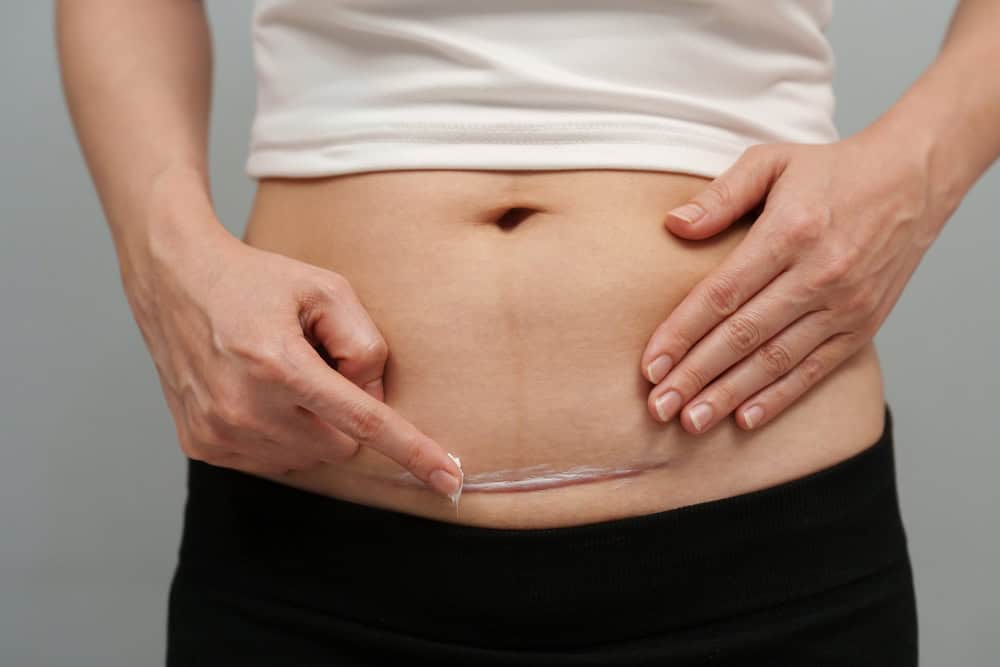
After a caesarean birth, many patients describe a sense of disconnection through their core. Movements that once felt automatic can feel unstable, weak, or unfamiliar. This is not just a loss of strength. It is a disruption in how the core and pelvic system work together. At C-Section Scar Rehabilitation, reconnecting this system is a key step in restoring stability, confidence, and efficient movement.
Understanding the Core and Pelvic System
Your core is a coordinated system made up of the diaphragm, deep abdominal muscles, pelvic floor, and supporting muscles of the back and hips. These structures work together to manage pressure, stabilise your body, and support movement.
The pelvic floor forms the base of this system, while the diaphragm sits at the top. The abdominal wall and surrounding muscles connect these structures, allowing them to function as a unit.
Why Coordination Matters
It is not enough for these muscles to be strong. They need to activate in the right sequence and at the right time. This coordination allows your body to move efficiently and safely.
What Changes After a C-Section
A C-section affects multiple layers of the abdominal wall and can alter how the core system functions. In addition, pregnancy itself places prolonged stress on both the abdominal muscles and pelvic floor.
Disrupted Muscle Activation
The connection between your brain and the deep core muscles may be reduced. This can make it difficult to engage these muscles effectively.
Altered Pressure Management
The way your body handles pressure within the abdomen can change, especially when breathing patterns are affected.
Compensatory Movement Patterns
When the core system is not functioning well, other muscles such as the lower back or hips may take on additional load. This can lead to discomfort or inefficient movement.
Why Reconnection Is Important
Reconnecting the core and pelvic system is about restoring coordination, not just building strength. This supports both recovery and long-term function.
Improving Stability
A well-coordinated core system provides support during movement, reducing strain on the body.
Enhancing Movement Quality
When the system works as a unit, movements become smoother and more efficient.
Reducing Risk of Pain
Improved coordination reduces the need for compensation, lowering the risk of discomfort in areas such as the lower back.
Supporting Daily Activities
From lifting your baby to returning to exercise, a connected system allows you to move with greater confidence.
When to Begin Reconnection Work
This process can begin early in recovery, but it must be gentle and appropriate for your stage of healing.
Early Awareness
In the initial weeks, the focus is on awareness and subtle activation rather than strength. This includes breathing and gentle engagement of the pelvic floor and deep abdominal muscles.
Progressive Integration
As healing progresses, these activations are integrated into simple movements, gradually building coordination and control.
Key Components of Reconnection
Breath and Core Coordination
Breathing is central to this process. The diaphragm and pelvic floor should move in coordination, supporting pressure management and stability.
A gentle exhale is often used to guide activation of the deep abdominal muscles and pelvic floor.
Deep Abdominal Activation
The focus is on the deeper layers of the abdominal wall, rather than the more superficial muscles. These deeper muscles provide stability and support.
Pelvic Floor Engagement and Relaxation
The pelvic floor must be able to both contract and relax. Balanced function is essential for effective coordination.
Postural Awareness
Your alignment influences how the core system functions. Maintaining a neutral posture supports more effective activation.
Progressing Through the Phases of Reconnection
Phase 1: Awareness and Gentle Activation
This phase focuses on reconnecting with the system through breathing and subtle engagement. Movements are simple and controlled.
- Breath awareness and diaphragmatic control
- Gentle pelvic floor activation
- Subtle engagement of the deep abdominal muscles
The goal is coordination, not intensity.
Phase 2: Control During Movement
Once basic activation is established, the next step is maintaining that activation during simple movements.
- Rolling, sitting, and standing with control
- Supported leg and arm movements
- Maintaining stability during transitions
This phase builds confidence in how the system supports your body.
Phase 3: Strength and Integration
As control improves, exercises become more challenging and functional.
- Increased load and resistance
- Multi-directional movements
- Integration with full-body exercises
The focus remains on maintaining coordination under increased demand.
Phase 4: Return to Performance
In the later stages, the system is prepared for higher-level activities such as exercise, sport, or demanding daily tasks.
- Dynamic and impact-based movements
- Advanced strength and conditioning
- Task-specific training based on your goals
This phase supports a full return to activity with confidence.
Common Challenges in Reconnection
Difficulty Feeling the Muscles Activate
It is common to struggle with awareness of the deep core muscles. This improves with guided practice.
Overcompensation With Other Muscles
Many patients use the upper abdomen, glutes, or back muscles instead of the deep core. Identifying and correcting this is important.
Holding Tension Instead of Coordinating
Excessive tension can limit effective movement. The goal is controlled activation with the ability to relax.
How Reconnection Supports Long-Term Recovery
Rebuilding this system has benefits that extend beyond the early stages of recovery.
Improved Strength and Stability
A coordinated system supports stronger and more stable movement.
Better Posture and Alignment
Effective core function supports a more natural and comfortable posture.
Reduced Risk of Ongoing Issues
Addressing coordination early reduces the likelihood of persistent weakness or discomfort.
Confidence in Movement and Exercise
As the system becomes more responsive, you can return to activities with greater confidence.
What a Guided Approach Looks Like
Assessment of Your Starting Point
Your current level of activation, coordination, and control is evaluated to guide your program.
Personalised Progression
Your exercises are tailored to your stage of recovery and your goals.
Integration With Full Rehabilitation
Reconnection is combined with strengthening, mobility work, and functional training to create a complete recovery plan.
Conclusion
Reconnecting the core and pelvic system after a C-section is essential for restoring stability, movement quality, and confidence. It is a process that requires patience, precision, and the right guidance. By focusing on coordination as well as strength, you create a strong foundation for recovery and long-term performance. If you are unsure how to begin or want to ensure you are progressing effectively, booking an assessment provides a clear plan and the support you need to move forward with confidence.
