
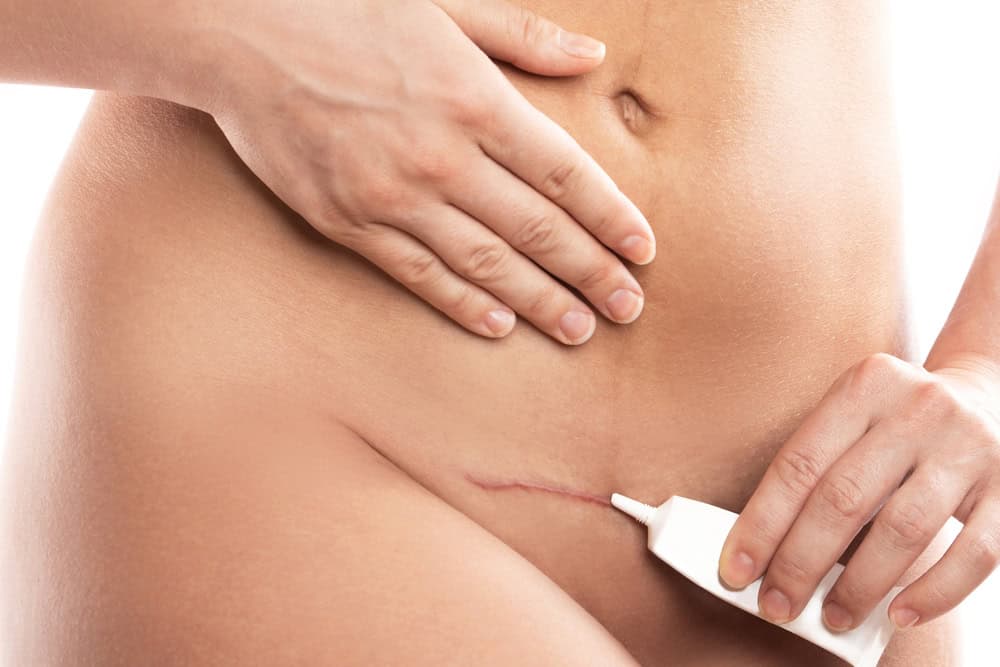
After a caesarean birth, simple activities like feeding your baby can become uncomfortable due to incision sensitivity, abdominal weakness, and postural strain. Many patients experience pulling at the scar, back discomfort, or fatigue from holding positions for extended periods. At C-Section Scar Rehabilitation, positioning for feeding is approached with a focus on comfort, protection, and long-term movement quality.
Why Positioning Matters After a C-Section
Feeding sessions can last for significant periods throughout the day. Repeated strain on the same areas, especially when posture is unsupported, can contribute to ongoing discomfort in the abdomen, back, neck, and shoulders.
Positioning is not just about comfort in the moment. It plays a role in protecting the healing tissues, supporting your core, and reducing the risk of developing secondary pain.
The Impact of Poor Positioning
Without proper support, you may find yourself leaning forward, rounding your shoulders, or holding tension in your upper body. This can increase pressure on the incision and reduce the efficiency of your core system.
Over time, this can lead to fatigue, stiffness, and discomfort that extends beyond feeding sessions.
Key Principles for Comfortable Feeding Positions
There is no single correct position. The goal is to find a setup that supports your body, reduces strain, and allows you to feed your baby comfortably.
Bring the Baby to You
A common mistake is leaning forward toward your baby. Instead, your baby should be supported and brought up to your chest level. This helps maintain a more neutral and supported posture.
Support Your Body
Using pillows or cushions to support your arms, back, and baby reduces the effort required to maintain position. This allows your muscles to relax rather than constantly working.
Maintain Neutral Alignment
Keeping your spine in a neutral position reduces strain on your back and abdomen. This means avoiding excessive rounding or arching.
Use Your Breath
Gentle, controlled breathing helps reduce tension and supports your core during feeding. Holding your breath or bracing unnecessarily can increase discomfort.
Common Feeding Positions After a C-Section
Different positions may suit different patients depending on comfort, healing stage, and personal preference.
Side-Lying Position
This position allows you to lie on your side while feeding your baby. It reduces pressure on the abdomen and can be especially helpful in the early stages of recovery.
- Minimises strain on the incision
- Supports rest and recovery
- Requires minimal upper body effort
Proper pillow support is important to maintain alignment and comfort.
Football Hold
In this position, your baby is supported at your side, under your arm. This avoids direct pressure on the abdomen.
- Protects the incision area
- Allows better visibility and control
- Reduces abdominal compression
Support under your arm and behind your back helps maintain comfort.
Supported Cradle Hold
This is a more traditional position but requires careful setup to avoid strain.
- Use pillows to elevate your baby
- Keep your back supported
- Avoid leaning forward
With the right support, this position can be comfortable as your recovery progresses.
Protecting Your Scar During Feeding
Avoid Direct Pressure
Ensure that your baby’s weight is supported by pillows rather than resting directly on your abdomen. This reduces irritation and protects the healing tissues.
Move With Control
Transitions into and out of feeding positions should be slow and supported. Using your arms and legs to assist movement reduces strain on your core.
Adjust Frequently
Staying in one position for too long can lead to stiffness. Small adjustments help maintain comfort and reduce tension.
Managing Upper Body Strain
Feeding positions often place demand on the neck, shoulders, and upper back. Addressing this helps prevent secondary discomfort.
Support Your Arms
Holding your baby without support can quickly lead to fatigue. Pillows under your arms reduce this load.
Relax Your Shoulders
Be aware of shoulder tension. Keeping them relaxed and supported reduces strain.
Check Your Head Position
Looking down for extended periods can strain the neck. Bringing your baby to a higher position helps maintain a more neutral head position.
Integrating Core Support Into Feeding
Even during feeding, your core system plays a role in supporting your body.
Gentle Core Engagement
A subtle, controlled engagement of the deep abdominal muscles provides support without creating tension.
Breathing Coordination
Maintaining a steady breathing pattern helps manage pressure and supports relaxation.
Avoid Over-Bracing
Excessive tension in the abdomen can increase discomfort. The goal is support, not stiffness.
Adapting as You Recover
Your needs will change as your body heals. Positions that feel comfortable in the early stages may evolve as your strength and mobility improve.
Early Phase
Focus on positions that minimise pressure on the abdomen and require less effort.
Progressive Phase
As strength returns, you can explore more varied positions while maintaining good support and alignment.
Return to Full Function
Eventually, feeding should feel comfortable in a range of positions without strain or discomfort.
Common Mistakes to Avoid
Leaning Forward Repeatedly
This places unnecessary strain on both your abdomen and upper body.
Holding Positions Without Support
Relying solely on your muscles increases fatigue and discomfort.
Ignoring Early Signs of Strain
Discomfort in the back, shoulders, or abdomen is a signal to adjust your positioning.
When to Seek Guidance
If feeding consistently causes discomfort, it may indicate that your positioning or underlying support needs adjustment.
- Persistent back or shoulder pain
- Increased discomfort around the scar
- Difficulty finding a comfortable position
- Fatigue during feeding sessions
A structured assessment helps identify the factors contributing to discomfort and provides practical solutions tailored to your needs.
Conclusion
Positioning for feeding after a C-section plays an important role in your comfort and recovery. By supporting your body, protecting your incision, and maintaining good alignment, you reduce strain and create a more comfortable experience for both you and your baby. Small adjustments can make a significant difference. If you are struggling with discomfort or unsure how to position yourself effectively, a guided assessment can provide clear, practical support to help you move forward with confidence.
