
Pelvic discomfort can feel confusing, persistent, and limiting, especially when it affects simple daily movements like walking, standing, or turning in bed. If you have been experiencing this, it may relate to Pelvic Girdle Pain / SI Joint Pain, a condition that often presents during pregnancy, postnatally, or even outside of these phases due to mechanical or functional issues. Understanding what is happening in your body is the first step toward meaningful recovery. At Adam Vital, we focus on identifying the root cause and guiding you through a clear, structured plan that restores comfort, stability, and confidence in movement.
What Is Pelvic Girdle Pain?
Pelvic girdle pain refers to discomfort originating from the joints and structures that form your pelvic ring. This includes the sacroiliac joints at the back and the pubic symphysis at the front. These joints are designed to transfer load efficiently between your upper body and legs. When this system becomes disrupted, either through instability, stiffness, or altered movement patterns, pain can develop.
You may feel pain in the lower back, buttocks, hips, groin, or inner thighs. For some, the discomfort is sharp and specific. For others, it is more diffuse and persistent. The key point is that pelvic girdle pain is not random. It is usually linked to how your body is moving and managing load.
Why Pelvic Girdle Pain Happens
This condition often develops when the normal balance between stability and mobility in the pelvis is disrupted. Several contributing factors may be involved, and these vary from person to person.
Hormonal Changes
During pregnancy, hormones such as relaxin increase joint laxity. This is a natural process that prepares the body for childbirth. However, it can also reduce stability in the pelvic joints, making them more sensitive to movement and load.
Muscle Imbalance and Weakness
The muscles surrounding your pelvis, including your core, glutes, and pelvic floor, play a key role in stabilising the area. If these muscles are not working effectively, the joints may become overloaded, leading to pain.
Altered Movement Patterns
Changes in posture, gait, or daily habits can place uneven stress on the pelvic joints. This is common during pregnancy but can also occur in athletes, office workers, or individuals recovering from injury.
Previous Injury or Strain
A history of lower back pain, hip issues, or trauma can influence how the pelvis functions. Even minor injuries can lead to compensations that increase strain over time.
Common Symptoms You May Notice
Pelvic girdle pain presents differently for each individual, but there are some consistent patterns that help identify it.
- Pain when walking, especially with longer distances
- Discomfort when standing on one leg, such as during dressing
- Pain when turning in bed or getting out of a car
- A feeling of instability or clicking in the pelvis
- Difficulty with stairs or uneven surfaces
These symptoms often fluctuate. Some days feel manageable, while others are more limiting. This variability is a key sign that the issue is linked to movement and load rather than a fixed structural problem.
How It Affects Daily Life
Pelvic girdle pain can significantly impact your quality of life. Simple activities such as walking, sitting, or caring for your child can become challenging. For active individuals, it may limit exercise, running, or sports participation.
Beyond the physical symptoms, there is often an emotional component. Uncertainty about what is causing the pain and concern about making it worse can lead to reduced activity and confidence. This is where clear guidance and reassurance become essential.
Assessment and Diagnosis
At Adam Vital, assessment is focused on understanding your specific presentation. We do not rely on assumptions or generic protocols. Instead, we look at how your body moves, how your muscles activate, and how your joints respond to load.
Movement Analysis
We observe how you walk, sit, stand, and transition between positions. This helps identify patterns that may be contributing to your pain.
Muscle Function Testing
Your core, gluteal muscles, and pelvic floor are assessed to determine how well they are supporting your pelvis. Weakness or delayed activation can be key drivers of symptoms.
Joint Assessment
We evaluate the mobility and stability of your sacroiliac joints and surrounding structures. This helps distinguish between stiffness, instability, or a combination of both.
This structured approach allows us to build a clear picture of what is happening and why. It also ensures that your treatment plan is targeted and effective.
What Effective Treatment Looks Like
Managing pelvic girdle pain is not about temporary relief. It is about restoring function and building resilience in your body. Treatment is always personalised, but there are key principles that guide the process.
Targeted Strengthening
Exercises focus on improving the strength and coordination of your core, glutes, and pelvic floor. The goal is to create a stable foundation that supports your pelvis during movement.
Movement Re-education
You will learn how to move in ways that reduce strain on your pelvis. This includes strategies for walking, lifting, and daily activities. Small adjustments can make a significant difference.
Pain Management Strategies
We guide you on how to manage symptoms without avoiding movement completely. This may include pacing, positioning, and specific techniques to reduce discomfort.
Manual Therapy Where Needed
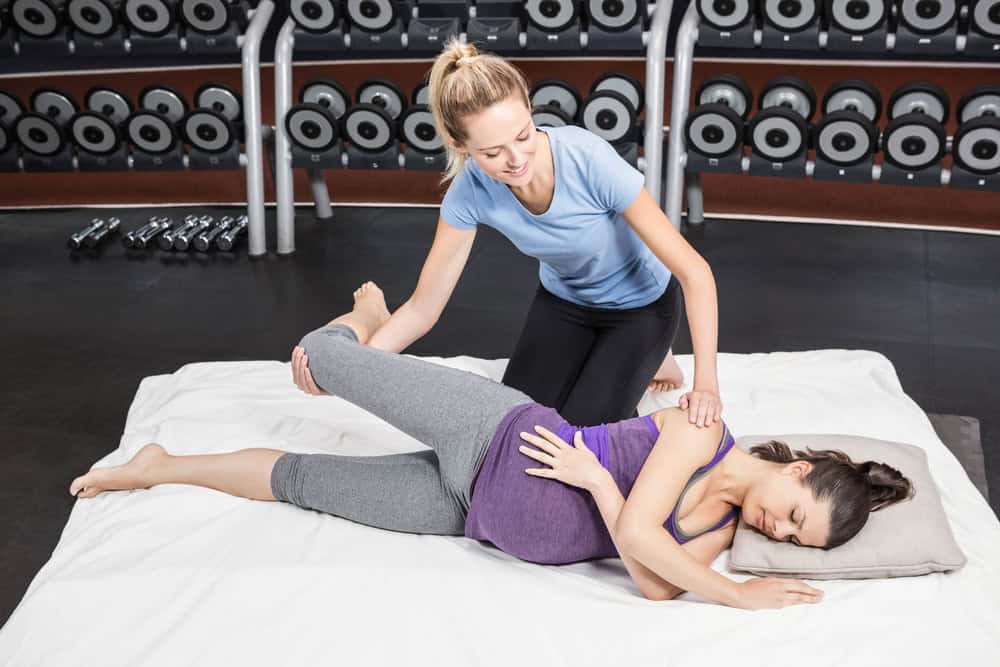
Hands-on techniques can help address joint stiffness or muscle tension. These are used as part of a broader plan, not as a standalone solution.
The focus is always on measurable progress. Improved movement, reduced pain, and increased confidence are the markers we track.
Recovery Expectations
Recovery timelines vary depending on the severity of your symptoms, underlying causes, and consistency with your plan. Many individuals begin to notice improvements within a few sessions, particularly when they understand how to manage their condition effectively.
It is important to recognise that progress is not always linear. Some fluctuations are normal. What matters is the overall trend toward better function and reduced limitation.
When to Seek Professional Support
If pelvic pain is affecting your daily life, limiting your activity, or causing uncertainty about movement, it is worth seeking a professional assessment. Early intervention can prevent the condition from becoming more persistent and help you regain control more quickly.
You do not need to wait for the pain to become severe. Addressing it early allows for a more straightforward and efficient recovery process.
Conclusion
Pelvic girdle pain can feel complex, but with the right understanding and approach, it is highly manageable. The key is identifying what is driving your symptoms and addressing it with a structured, evidence-based plan. At Adam Vital, we focus on restoring stability, improving movement, and supporting you step by step through recovery. If pain has been limiting your movement or confidence, the next step is simple. Book an assessment, and we will guide you through a clear plan tailored to your body and your goals.
