
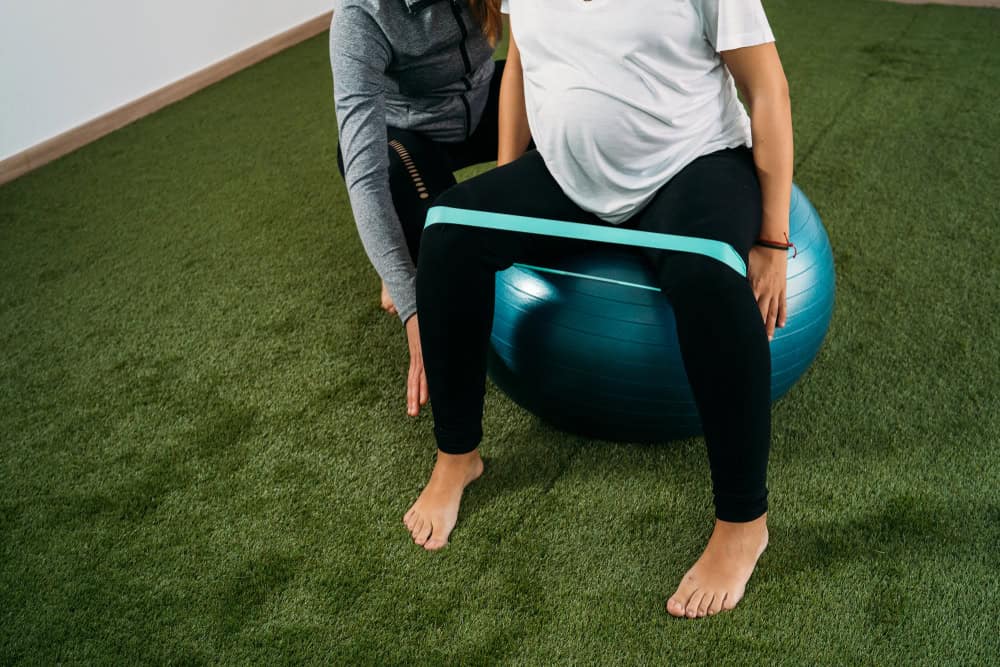
Discomfort around the lower back, hips, or buttocks can often feel difficult to pinpoint. If you have been dealing with this type of pain, it may be linked to Pelvic Girdle Pain / SI Joint Pain, where the sacroiliac joint plays a central role. Understanding the anatomy of this joint helps explain why pain develops, how it affects your movement, and what needs to be addressed for effective recovery. At Adam Vital, we focus on helping you understand your body clearly, so your treatment is targeted, structured, and built around real progress.
What Is the Sacroiliac Joint?
The sacroiliac joint, often referred to as the SI joint, is located where the base of your spine meets your pelvis. You have two SI joints, one on each side, connecting the sacrum to the iliac bones of the pelvis. These joints are essential for transferring load between your upper body and your legs.
Unlike highly mobile joints such as the shoulder or hip, the SI joint is designed for stability with only a small degree of movement. This limited movement is important. It allows your body to absorb forces during activities like walking, running, and lifting, while maintaining a stable base for the spine.
Structure of the SI Joint
The SI joint has a unique structure that reflects its dual role of stability and shock absorption. It is a combination of strong joint surfaces, supportive ligaments, and surrounding muscle systems.
Joint Surfaces
The joint is formed between the sacrum, which is the triangular bone at the base of your spine, and the ilium, which is part of your pelvis. The surfaces are irregular and interlocking, which helps increase stability. This design reduces excessive movement while still allowing small adjustments as needed.
Cartilage and Joint Type
The SI joint is partly synovial and partly fibrous. The front portion contains synovial cartilage, which allows for minimal movement and lubrication. The back portion is more fibrous and designed for strong ligament attachment. This combination supports both movement and stability.
Ligament Support
Ligaments are the primary stabilisers of the SI joint. Some of the key ligaments include the anterior sacroiliac ligament, posterior sacroiliac ligament, sacrotuberous ligament, and sacrospinous ligament. These structures limit excessive movement and help maintain alignment under load.
When these ligaments are strained or overloaded, they can become a source of pain. This is often seen in conditions where stability is reduced, such as during pregnancy or after repetitive strain.
Muscles That Support the SI Joint
The SI joint does not work in isolation. It relies heavily on the surrounding muscles to maintain stability and control movement. These muscles form a dynamic support system that responds to different activities.
Core Muscles
Your deep core muscles, including the transverse abdominis and pelvic floor, play a key role in stabilising the pelvis. When these muscles activate effectively, they help reduce stress on the SI joints.
Gluteal Muscles
The gluteus maximus and medius are important for controlling hip movement and supporting pelvic alignment. Weakness or delayed activation in these muscles can increase strain on the SI joint.
Back Muscles
Muscles such as the multifidus and erector spinae support the spine and contribute to overall pelvic stability. They work together with the core and glutes to maintain balance during movement.
This coordinated system is essential. If one part is not functioning well, other areas compensate, which can lead to overload and pain.
Movement of the SI Joint
The SI joint allows only a small range of movement, typically just a few degrees. These movements are referred to as nutation and counternutation, which describe the slight tilting of the sacrum relative to the pelvis.
Although the movement is minimal, it is highly significant. It allows your body to absorb forces efficiently and adapt to changes in position. When this movement becomes restricted or excessive, it can lead to discomfort and reduced function.
Load Transfer and Stability
One of the most important roles of the SI joint is load transfer. Every time you stand, walk, or lift, forces are transmitted through your spine into your pelvis and then into your legs. The SI joint acts as a bridge in this process.
For this system to work effectively, there needs to be a balance between stability and mobility. Too much movement can lead to instability and strain on the ligaments. Too little movement can cause stiffness and altered mechanics. Both scenarios can result in pain.
Why the SI Joint Becomes Painful
Understanding the anatomy helps explain why the SI joint can become a source of discomfort. Pain usually develops when the balance between stability and movement is disrupted.
Instability
When the supporting muscles or ligaments are not providing enough stability, the joint may move excessively. This can irritate the surrounding tissues and lead to pain, especially during activities that involve weight shifting or single-leg loading.
Stiffness
In some cases, the joint becomes too stiff and does not move as it should. This can lead to compensations in other areas, such as the lower back or hips, increasing overall strain.
Muscle Dysfunction
If the muscles around the pelvis are not activating in a coordinated way, the joint may be exposed to uneven forces. This is a common contributor to ongoing symptoms.
How This Affects Your Movement
When the SI joint is not functioning well, it can affect how you move in everyday life. You may notice difficulty with walking, standing on one leg, or transitioning between positions. Activities such as climbing stairs, getting in and out of a car, or even turning in bed can become uncomfortable.
This often leads to changes in movement patterns as your body tries to protect itself. Over time, these compensations can place additional strain on other areas, such as the hips or lower back.
Clinical Assessment and Understanding Your Presentation
At Adam Vital, we approach SI joint-related pain with a structured and individualised assessment. The goal is to understand how your specific anatomy and movement patterns are contributing to your symptoms.
Movement Assessment
We observe how you move through functional tasks such as walking, squatting, and single-leg activities. This helps identify areas of imbalance or compensation.
Muscle Activation Testing
Your core, glutes, and pelvic floor are assessed to determine how effectively they are supporting your pelvis. This is often a key factor in both pain and recovery.
Joint Function Evaluation
We assess the mobility and stability of your SI joints to determine whether stiffness, instability, or a combination is present. This guides the treatment approach.
This detailed understanding allows us to create a plan that is precise and relevant to your needs, rather than relying on generalised advice.
What This Means for Your Recovery
Knowing the anatomy of the SI joint helps you understand why certain treatments and exercises are recommended. Recovery is not about isolating one structure. It is about restoring the balance between muscles, joints, and movement patterns.
Your plan may include strengthening, movement retraining, and education on how to manage load during daily activities. Each step is designed to improve stability, reduce strain, and build confidence in movement.
Conclusion
The sacroiliac joint plays a critical role in how your body moves and manages load. Its structure is designed for stability with controlled movement, supported by strong ligaments and coordinated muscle function. When this system is disrupted, pain can develop, but with the right understanding and approach, it can be effectively addressed. At Adam Vital, we focus on identifying the underlying factors and guiding you through a clear, evidence-based plan that restores function and supports long-term recovery. If you are experiencing discomfort around the pelvis or lower back, the next step is to book an assessment and start moving with confidence again.
