
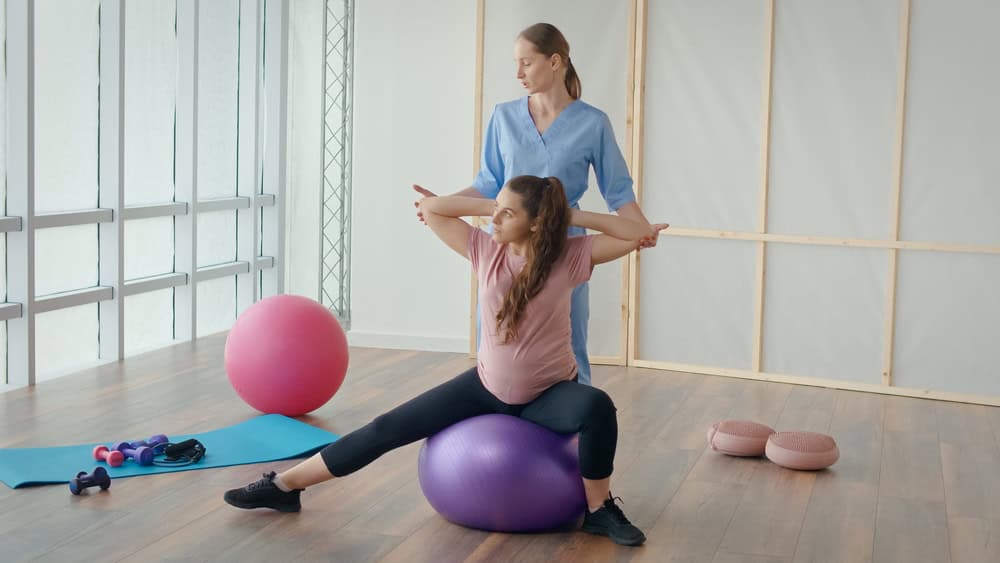
Persistent discomfort in the lower back, hips, or pelvic region can often feel worse during everyday activities such as sitting, standing, or walking. This is commonly linked to Pelvic Girdle Pain / SI Joint Pain, where the sacroiliac joint becomes sensitive to how load is distributed through your body. Postural strategies are a key part of managing this. They are not about holding a rigid position, but about improving how your body shares load throughout the day. At Adam Vital, we guide you through simple, effective adjustments that reduce strain and support recovery while keeping you moving with confidence.
Why Posture Matters for SI Joint Pain
Your posture directly influences how forces travel through your pelvis. The sacroiliac joint is responsible for transferring load between your upper body and legs. When posture leads to uneven loading or prolonged strain, the joint can become irritated.
This does not mean there is one “perfect” posture. The goal is variability and balance. Staying in one position for too long or consistently loading one side more than the other can increase symptoms.
Postural strategies focus on reducing unnecessary stress, improving alignment during movement, and allowing your muscles to support the joint more effectively.
Key Principles for SI Joint-Friendly Posture
Before looking at specific positions, it is important to understand the principles that guide effective posture.
Even Load Distribution
Aim to distribute your weight evenly through both sides of your body. This reduces asymmetrical stress on the SI joints.
Neutral Alignment
Maintaining a neutral spine and pelvis allows your joints and muscles to function efficiently without excessive strain.
Movement Variation
Changing positions regularly prevents prolonged loading in one area. Small adjustments throughout the day can make a significant difference.
Muscle Support
Posture should be supported by gentle muscle engagement, not held through tension or stiffness.
These principles apply across all daily activities, from sitting and standing to walking and lifting.
Postural Strategies for Sitting
Sitting is one of the most common positions that can aggravate SI joint pain, especially when maintained for long periods.
Balanced Sitting Position
Sit with both feet flat on the floor and your weight evenly distributed across both sitting bones. Avoid crossing your legs or leaning to one side, as this creates uneven loading.
Pelvic Alignment
Keep your pelvis in a neutral position rather than excessively tilted forward or backward. A slight natural curve in your lower back is ideal.
Supportive Setup
Use a chair that supports your lower back. If needed, a small cushion can help maintain a comfortable alignment.
Regular Movement Breaks
Stand up and move every 30 to 45 minutes. Even brief changes in position can reduce strain on the SI joint.
The goal is not to sit perfectly, but to avoid prolonged, uneven loading.
Postural Strategies for Standing
Standing posture plays a key role in how your pelvis manages load, particularly during prolonged periods.
Even Weight Distribution
Stand with your weight evenly balanced between both legs. Avoid shifting your weight onto one hip, which is a common habit that increases strain on the SI joint.
Soft Knee Position
Keep your knees slightly relaxed rather than locked. This allows your muscles to absorb load more effectively.
Pelvic Control
Maintain a neutral pelvis without excessive arching or flattening of the lower back.
Engage Support Muscles
Light activation of your core and glutes helps support the pelvis without creating tension.
These adjustments help reduce fatigue and improve how your body handles load during standing tasks.
Postural Strategies for Walking
Walking is a repetitive activity that can either support recovery or contribute to ongoing pain, depending on how it is performed.
Symmetrical Movement
Aim for an even stride on both sides. Avoid limping or favouring one side, as this increases asymmetrical loading.
Controlled Pelvic Movement
Your pelvis should move naturally without excessive shifting or instability. Stabilisation exercises support this control.
Appropriate Step Length
Shorter, controlled steps are often more comfortable than long strides, especially in the early stages of recovery.
Improving walking mechanics helps distribute load more evenly and reduces stress on the SI joint.
Postural Strategies for Lying and Sleeping
Night-time discomfort is common with SI joint pain, particularly when changing positions or lying for extended periods.
Side-Lying Support
If lying on your side, place a pillow between your knees. This keeps your pelvis aligned and reduces strain.
Back-Lying Position
Lying on your back with a pillow under your knees can help maintain a neutral spine and reduce pressure on the pelvis.
Turning in Bed
When turning, keep your knees together and move your shoulders and hips as one unit. This reduces twisting through the pelvis.
These strategies help minimise discomfort and improve sleep quality.
Postural Strategies for Daily Activities
Many everyday tasks can place uneven stress on the SI joint if not performed with awareness.
Getting In and Out of a Car
Keep your knees together and move both legs in or out at the same time. This reduces strain on the pelvis.
Dressing
Sit down when putting on trousers or shoes to avoid standing on one leg for extended periods.
Lifting Objects
Keep the load close to your body and use both legs evenly. Avoid twisting while lifting.
Carrying Bags
Distribute weight evenly or alternate sides to prevent asymmetrical loading.
These small adjustments reduce cumulative strain and support recovery throughout the day.
Common Postural Habits That Increase SI Joint Strain
Identifying and adjusting certain habits can make a significant difference in managing symptoms.
Standing on One Leg
This places uneven load on the pelvis and increases strain on one SI joint.
Crossing Legs While Sitting
This creates asymmetry and can contribute to discomfort over time.
Prolonged Static Positions
Staying in one position for too long, whether sitting or standing, increases joint stress.
Over-Correcting Posture
Holding a rigid “perfect” posture can create unnecessary tension and fatigue.
The focus should always be on balance and movement rather than perfection.
How Postural Strategies Support Recovery
Postural adjustments reduce unnecessary strain on the SI joint, allowing irritated tissues to settle and function to improve. When combined with strengthening and movement retraining, they form a comprehensive approach to recovery.
As your stability improves, these strategies become more natural and require less conscious effort. This leads to more efficient movement and reduced risk of recurrence.
At Adam Vital, we guide you through these adjustments in a practical way, tailored to your daily routine and lifestyle.
When to Seek Guidance
If your pain persists despite making basic adjustments, or if you are unsure how to apply these strategies effectively, a structured assessment can provide clarity. Understanding your specific movement patterns allows for more targeted and effective changes.
Postural strategies are most effective when they are personalised and integrated into a broader rehabilitation plan.
Conclusion
Postural strategies play an important role in managing SI joint pain by improving how your body distributes load throughout the day. Small, consistent adjustments in sitting, standing, walking, and daily activities can significantly reduce strain and support recovery. At Adam Vital, we combine these strategies with targeted rehabilitation to restore stability, improve movement, and help you return to your normal activities with confidence. If discomfort is affecting your daily routine, the next step is to book an assessment and begin a clear, structured plan for recovery and long-term performance.
