
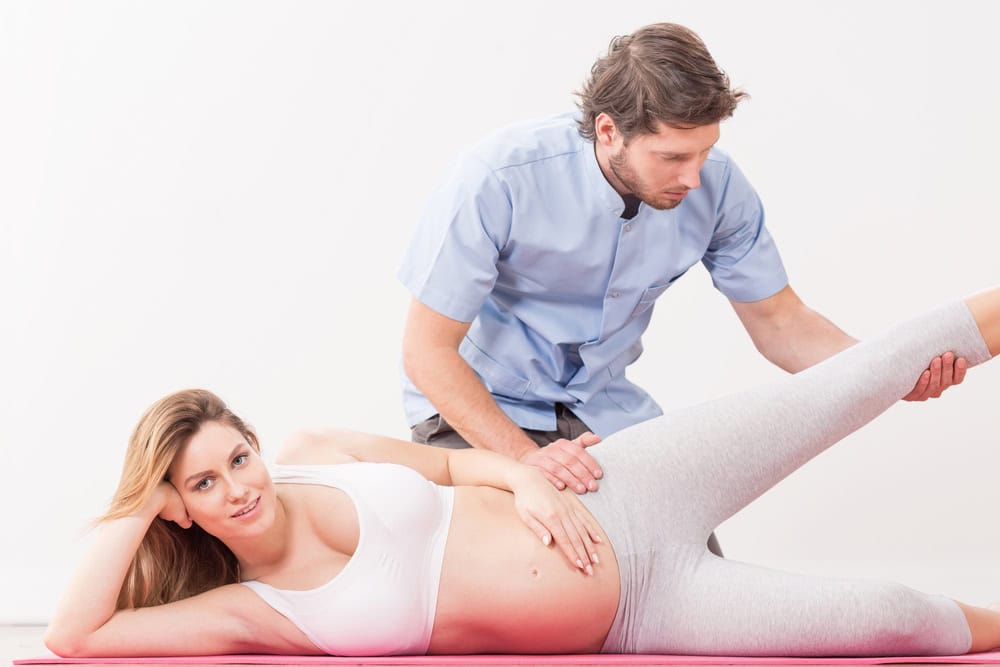
If you are experiencing discomfort in the lower back, buttock, or pelvic area, it can often feel unpredictable and limiting. This is commonly linked to Pelvic Girdle Pain / SI Joint Pain, where the sacroiliac joint is not being supported effectively during movement. Stabilisation exercises are a key part of recovery. They focus on restoring control, improving muscle coordination, and reducing unnecessary strain on the joint. At Adam Vital, we guide you through a structured approach that builds stability step by step, so your progress is clear, measurable, and sustainable.
Why Stabilisation Matters for SI Joint Pain
The sacroiliac joint relies heavily on muscular support to function well. Unlike larger joints that move through a wide range, the SI joint depends on stability and controlled movement. When this stability is compromised, the joint can become sensitive to load, leading to pain.
Stabilisation exercises address this directly. They improve how your muscles work together to support the pelvis, ensuring that forces are distributed evenly during everyday activities such as walking, standing, and lifting.
The goal is not just to strengthen individual muscles, but to improve coordination, timing, and control. This is what allows your body to move efficiently without overloading the joint.
Key Muscle Groups Involved in Stabilisation
Effective stabilisation requires a coordinated system of muscles working together. Each group plays a specific role in supporting the pelvis and SI joint.
Deep Core Muscles
The deep core, including the transverse abdominis, acts like a support system around your abdomen and pelvis. When activated correctly, it helps stabilise the SI joint during movement.
Pelvic Floor
The pelvic floor works in coordination with the core to provide internal support. It contributes to stability, especially during activities that involve load or pressure changes.
Gluteal Muscles
The glutes are essential for controlling hip movement and maintaining pelvic alignment. Strong and well-coordinated glutes reduce strain on the SI joint, particularly during walking and single-leg tasks.
Back Stabilising Muscles
Muscles such as the multifidus support the spine and help maintain control through the pelvis. They work alongside the core and glutes to create a stable base.
When these muscles work together effectively, the SI joint is better supported, and pain is reduced.
Principles of Effective Stabilisation Exercises
Stabilisation is not about intensity. It is about precision and control. The following principles guide how exercises are performed and progressed.
Start with Low Load and High Control
Early exercises focus on gentle activation of key muscles. The aim is to build awareness and control without increasing pain.
Focus on Quality of Movement
How you perform the exercise matters more than how many repetitions you complete. Controlled, accurate movement ensures the right muscles are working.
Progress Gradually
As your control improves, exercises are progressed to include more dynamic movements and functional tasks. This prepares your body for real-life demands.
Consistency Is Key
Regular practice is essential. Improvements in stability come from repeated, consistent activation and reinforcement of movement patterns.
Early-Stage Stabilisation Exercises
These exercises focus on building awareness and activating the deep stabilising muscles. They are typically performed in supported positions.
Core Activation in Supine Position
Lying on your back with your knees bent, you gently engage your deep core by drawing your lower abdomen inward without holding your breath. This creates a stable base without tension.
This exercise helps you understand how to activate the core without compensating with other muscles.
Pelvic Floor Engagement
Gentle activation of the pelvic floor is coordinated with breathing. This supports internal stability and complements core activation.
The focus is on subtle, controlled engagement rather than forceful contraction.
Glute Activation Exercises
Simple movements such as bridging help activate the glutes while maintaining pelvic control. The emphasis is on alignment and smooth movement.
These exercises begin to integrate different muscle groups in a controlled way.
Mid-Stage Stabilisation Exercises
As control improves, exercises become more dynamic and begin to challenge stability during movement.
Single-Leg Control Exercises
Exercises that involve lifting one leg while maintaining pelvic stability help train the body to manage uneven loading. This is important for activities such as walking and climbing stairs.
Controlled Hip Movements
Movements that involve controlled hip rotation or abduction help strengthen the glutes and improve coordination.
The focus remains on maintaining a stable pelvis throughout the movement.
Functional Movement Patterns
Exercises begin to mimic daily activities, such as sit-to-stand or step-ups. This helps transfer stability into real-life situations.
These movements are introduced gradually to ensure they are performed with control and without increasing symptoms.
Advanced Stabilisation and Return to Activity
In the later stages of rehabilitation, exercises are progressed to prepare you for higher levels of activity and performance.
Dynamic Stability Exercises
These involve more complex movements that challenge balance, coordination, and strength. Examples include lunges or controlled directional changes.
The aim is to ensure your pelvis remains stable even under increased demand.
Sport or Activity-Specific Training
If you are returning to sport or a physically demanding routine, exercises are tailored to replicate those demands. This ensures your body is prepared and resilient.
Progression is always based on your response and readiness.
Common Mistakes to Avoid
While stabilisation exercises are highly effective, certain mistakes can limit progress or increase discomfort.
Over-Activating Muscles
Using excessive tension can lead to compensation and reduce the effectiveness of the exercise. The goal is controlled activation, not force.
Progressing Too Quickly
Moving to advanced exercises before building a solid foundation can increase strain on the SI joint.
Ignoring Pain Signals
Exercises should not cause sharp or increasing pain. Mild discomfort may be acceptable, but it should settle quickly.
Guidance ensures that your program is both safe and effective.
How Stabilisation Supports Long-Term Recovery
Stabilisation exercises do more than reduce pain. They improve how your body moves and manages load. This reduces the risk of recurrence and supports long-term function.
As your stability improves, daily activities become easier, and your confidence in movement increases. This is a key outcome of rehabilitation.
At Adam Vital, we track your progress and adjust your program as needed. This ensures that each stage of your recovery builds on the last.
When to Start Stabilisation Exercises
Stabilisation can often begin early in the recovery process, even when pain is present. The exercises are adapted to your current level and gradually progressed.
Starting early helps prevent deconditioning and supports a more efficient recovery. However, it is important that exercises are tailored to your specific presentation.
Conclusion
Stabilisation exercises are a central part of managing SI joint pain. They restore control, improve muscle coordination, and support the pelvis during movement. With a structured approach, these exercises help reduce pain, improve function, and build confidence in your body. At Adam Vital, we guide you through each stage of this process with clear instruction and measurable progress. If pain has been limiting your movement or daily activities, the next step is to book an assessment and begin a plan that supports both recovery and long-term performance.
