
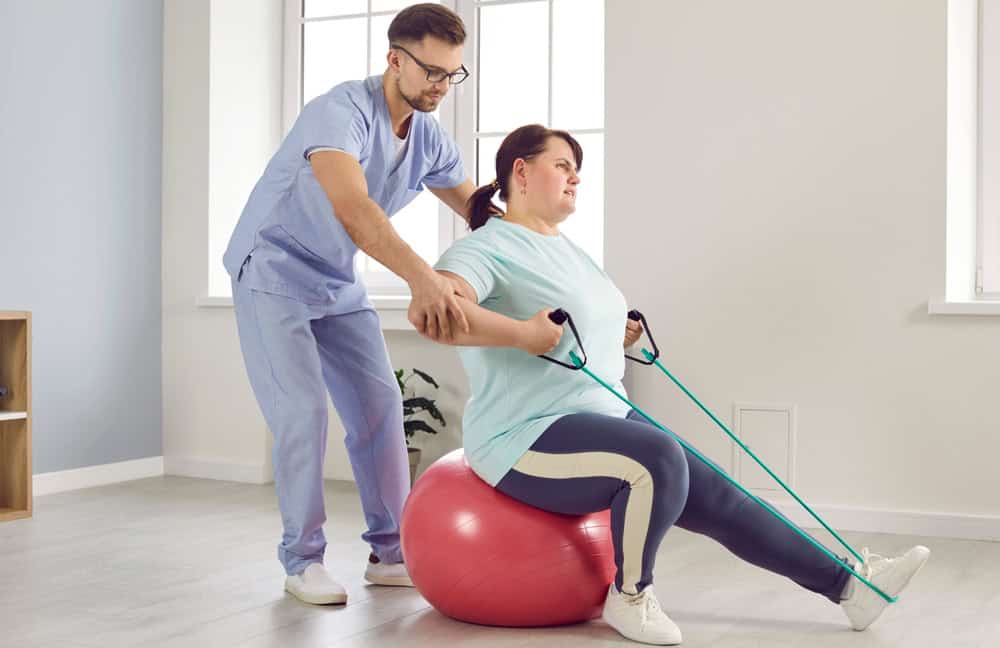
Lifting and carrying your baby is part of daily life, but after childbirth, it can place significant strain on your body if not done correctly. You may notice discomfort in your lower back, pelvis, or abdomen, especially when lifting repeatedly throughout the day. This is often linked to reduced core strength, altered movement patterns, and fatigue. Learning how to lift safely is essential for protecting your recovery and building long-term strength. Many women begin this process through Postnatal Physiotherapy, where movement is retrained step by step to ensure your core supports you effectively during daily tasks.
Why Lifting Technique Matters After Birth
After pregnancy and delivery, your core and pelvic floor may not provide the same level of support as before. This can lead to increased strain on your spine and pelvis during lifting.
Without proper technique, repeated lifting can contribute to:
- Lower back pain
- Pelvic discomfort or instability
- Abdominal strain or bulging
- Increased fatigue during daily activities
Using correct technique helps distribute load evenly and reduces unnecessary stress on your body.
Understanding Your Core’s Role in Lifting
Your core acts as a support system for your spine and pelvis. It includes your abdominal muscles, pelvic floor, diaphragm, and back muscles. These components work together to stabilise your body during movement.
When lifting, your core should:
- Provide support before and during the movement
- Maintain alignment of your spine and pelvis
- Control the transfer of force through your body
Rebuilding this coordination is essential for safe lifting.
Step 1: Preparing Before You Lift
Safe lifting begins before you move. Preparing your body helps reduce strain and improve control.
Position Yourself Close to Your Baby
Keep your baby close to your body before lifting. Reaching forward increases the load on your back and reduces stability.
Engage Your Core Gently
Before lifting, gently activate your core and pelvic floor. This creates support without excessive tension.
This preparation sets the foundation for safe movement.
Step 2: Using Proper Lifting Mechanics
How you move during the lift is critical for protecting your body.
Bend Through Your Hips and Knees
Lower yourself by bending your hips and knees rather than your back. This allows your legs to take more of the load.
Keep Your Spine Neutral
Maintain a natural curve in your spine. Avoid rounding or over-arching your back during the movement.
Lift Smoothly and Control the Movement
Use a steady, controlled motion when lifting. Avoid sudden or jerky movements that increase strain.
These techniques help distribute load safely across your body.
Step 3: Holding and Carrying Your Baby
Lifting is only part of the movement. How you hold and carry your baby also affects your body.
Keep the Load Close
Holding your baby close to your body reduces the load on your spine and improves stability.
Avoid Asymmetrical Positions
Carrying your baby on one side for extended periods can create uneven strain. Alternate sides or use supportive positions when possible.
Maintaining balance helps reduce fatigue and discomfort.
Step 4: Returning to Standing and Moving
Transitioning after lifting is just as important as the lift itself.
Engage Your Core During Movement
Maintain gentle core activation as you stand and move. This supports your spine and pelvis.
Avoid Twisting While Carrying
Turning your body while holding your baby can increase strain. Instead, turn with your feet to maintain alignment.
These adjustments improve movement efficiency and safety.
Common Mistakes to Avoid
Many women unintentionally use movement patterns that increase strain during lifting.
- Bending through the back instead of the hips and knees
- Holding the baby away from the body
- Forgetting to engage the core
- Twisting while lifting or carrying
Correcting these habits can significantly reduce discomfort.
Building Strength to Support Lifting
Safe lifting is supported by strength in key muscle groups. Strengthening these areas improves your ability to handle daily demands.
Core Stability
Improving core strength helps support your spine and pelvis during lifting.
Glutes and Legs
Strong glutes and legs allow you to generate power from your lower body rather than relying on your back.
Upper Body Support
Strength in your arms and shoulders helps you hold and carry your baby more comfortably.
These areas work together to support functional movement.
Managing Fatigue During Repetitive Lifting
Lifting your baby is a repeated activity throughout the day. Fatigue can affect your technique and increase the risk of strain.
Taking Short Breaks
Resting when possible helps your muscles recover and maintain performance.
Being Aware of Technique
As you become tired, your movement patterns may change. Staying aware of your technique helps maintain safety.
Managing fatigue supports consistent and safe movement.
Signs Your Body Needs Support
Certain symptoms indicate that your body may need additional guidance.
- Persistent back or pelvic pain
- Abdominal discomfort or bulging during lifting
- Difficulty maintaining proper technique
- Fatigue that limits your ability to care for your baby
These signs suggest that targeted rehabilitation may be beneficial.
What Safe Lifting Should Feel Like
When lifting safely, the movement should feel controlled and supported. You should not experience sharp pain or significant discomfort. Over time, lifting should feel easier as your strength and coordination improve.
Confidence in movement is a key indicator of progress.
The Role of Professional Guidance
Learning safe lifting techniques is more effective with expert support. Assessment helps identify movement patterns and areas of weakness that need to be addressed.
Guided rehabilitation provides:
- Practical training in safe lifting and carrying
- Exercises to improve strength and stability
- Ongoing support and progression
This ensures that your recovery is both safe and effective.
Taking the Next Step
If lifting your baby is causing discomfort or you are unsure about your technique, starting with a structured assessment provides clarity and direction. This allows you to move with confidence and reduce the risk of strain.
At Adam Vital, we guide you step by step, focusing on restoring strength, improving movement, and supporting your daily activities. Your plan is tailored to your body and your routine.
Safe lifting is not about avoiding movement. It is about using your body effectively so you can care for your baby comfortably and confidently. With the right guidance, you can protect your recovery and build strength for the demands of daily life.
