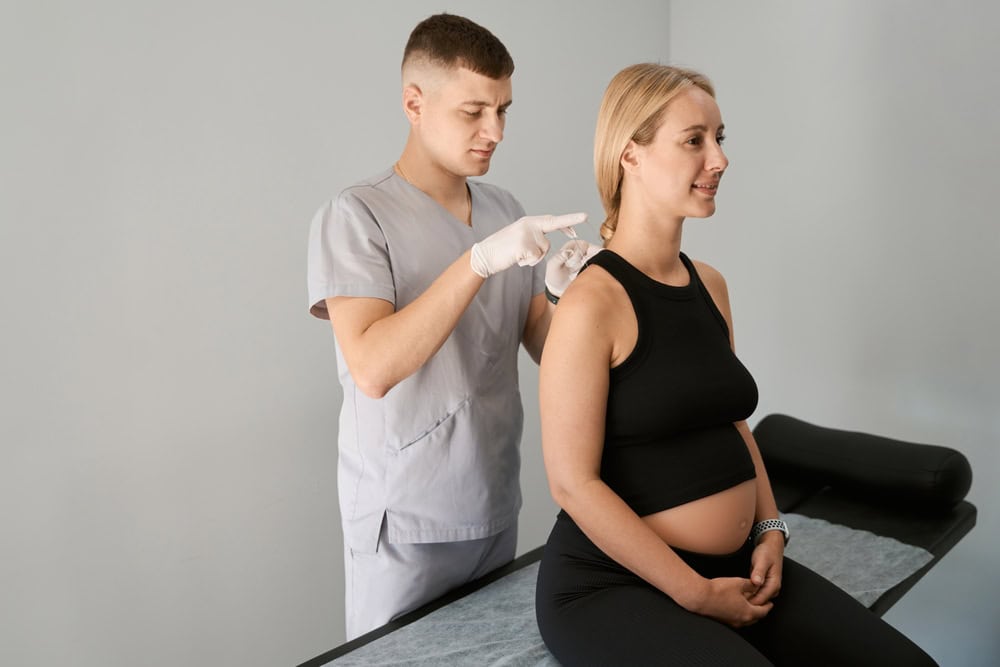
After childbirth, your body can feel tense, fatigued, and slow to recover. Muscle tightness, joint discomfort, and general physical stress are common, especially as you adjust to new routines and demands. Postnatal massage therapy can play a valuable role in supporting your recovery by reducing tension, improving circulation, and helping your body return to a more balanced state. When combined with structured care such as Postnatal Physiotherapy, massage becomes part of a broader approach that focuses on restoring movement, reducing pain, and supporting long-term function.
What Postnatal Massage Therapy Involves
Postnatal massage therapy is a targeted approach designed to address the physical changes that occur after pregnancy and delivery. It focuses on areas of tension, restricted movement, and fatigue, using techniques that are appropriate for your stage of recovery.
This is not simply relaxation. It is a structured intervention that supports healing and improves how your body feels and functions.
Reducing Muscle Tension and Discomfort
One of the most immediate benefits of postnatal massage is the reduction of muscle tension. Daily activities such as feeding, carrying your baby, and interrupted sleep can place strain on your neck, shoulders, and back.
Common Areas of Tension
- Neck and upper back due to feeding positions
- Shoulders from carrying and holding your baby
- Lower back from changes in posture and core strength
Massage helps release this tension, improving comfort and reducing the risk of ongoing pain.
Improving Circulation and Supporting Healing
After birth, your body is in a healing phase. Improved circulation supports this process by delivering oxygen and nutrients to tissues and helping remove waste products.
Benefits for Tissue Recovery
Enhanced circulation can support the healing of muscles and connective tissue, particularly in areas affected by strain or surgical procedures.
Reducing Swelling
Massage can also assist with fluid movement, helping to reduce swelling and improve overall comfort.
These effects contribute to a more efficient recovery process.
Supporting Postural Recovery
Postural changes during pregnancy and after birth can lead to imbalances and discomfort. Massage helps address these patterns by releasing tight muscles and improving mobility.
Releasing Tight Areas
Muscles that have become overactive or shortened can be relaxed, allowing your body to move more freely.
Preparing for Rehabilitation
Reducing tension makes it easier to perform exercises correctly and improves the effectiveness of your rehabilitation program.
This combination supports better long-term outcomes.
Enhancing Relaxation and Reducing Stress
The postnatal period can be physically and emotionally demanding. Massage provides a structured opportunity for your body to relax.
Reducing Physical Stress
Relaxation of muscles and reduction of tension can improve how your body feels on a daily basis.
Supporting Mental Wellbeing
Taking time for recovery can help reduce feelings of stress and improve your overall sense of wellbeing.
This balance supports both physical and mental recovery.
Improving Body Awareness
After pregnancy, many women feel disconnected from their bodies. Massage can help restore awareness by highlighting areas of tension and movement restriction.
Recognising Patterns of Strain
Understanding where your body holds tension allows you to make adjustments in your daily movements.
Supporting Movement Quality
Improved awareness helps you move more efficiently and reduces unnecessary strain.
This contributes to better long-term function.
Supporting Recovery From C-Section or Perineal Discomfort
Massage therapy can be adapted to support recovery from different types of delivery.
C-Section Recovery
Once appropriate, techniques can help improve tissue mobility around the abdominal area and reduce tension in surrounding muscles.
Perineal Recovery
For those who have experienced perineal trauma, massage can support relaxation and improve comfort in the surrounding areas.
These approaches are always introduced at the right stage of healing.
Complementing Strength and Rehabilitation Work
Massage therapy is most effective when combined with active rehabilitation. While massage reduces tension and improves mobility, exercises build strength and stability.
Preparing the Body for Exercise
Reduced muscle tension allows you to perform exercises with better control and less discomfort.
Supporting Recovery Between Sessions
Massage can help your body recover between strengthening sessions, reducing fatigue and soreness.
This combination creates a balanced approach to recovery.
When to Consider Postnatal Massage Therapy
Massage can be beneficial at different stages of recovery, depending on your needs.
- Persistent muscle tension or stiffness
- Postural discomfort from daily activities
- Fatigue and general physical stress
- Preparation for or support during rehabilitation
Identifying your needs helps determine the right approach.
What to Expect From a Session
Postnatal massage therapy should be tailored to your condition and comfort level. Techniques are adapted based on your stage of recovery, areas of concern, and overall goals.
You should feel supported and comfortable throughout the session, with clear communication about what is being done and why.
After a session, you may notice reduced tension, improved mobility, and a greater sense of relaxation.
The Role of Professional Guidance
Massage therapy is most effective when delivered as part of a structured recovery plan. Assessment helps identify areas of tension and guides appropriate treatment.
Professional care ensures:
- Techniques are safe and appropriate for your stage of recovery
- Massage is integrated with your rehabilitation program
- Your progress is monitored and adjusted as needed
This approach supports effective and sustainable recovery.
Taking the Next Step
If you are experiencing muscle tension, discomfort, or fatigue after birth, postnatal massage therapy can be a valuable part of your recovery. Starting with a structured assessment helps determine how massage can best support your needs.
At Adam Vital, we combine hands-on therapy with guided rehabilitation to support your recovery from multiple angles. Your plan is tailored to your body, your condition, and your goals.
Postnatal massage is not only about relaxation. It is about supporting your body as it heals, helping you move more comfortably, and preparing you for long-term strength and function. With the right guidance, it becomes a meaningful part of your recovery journey.
