
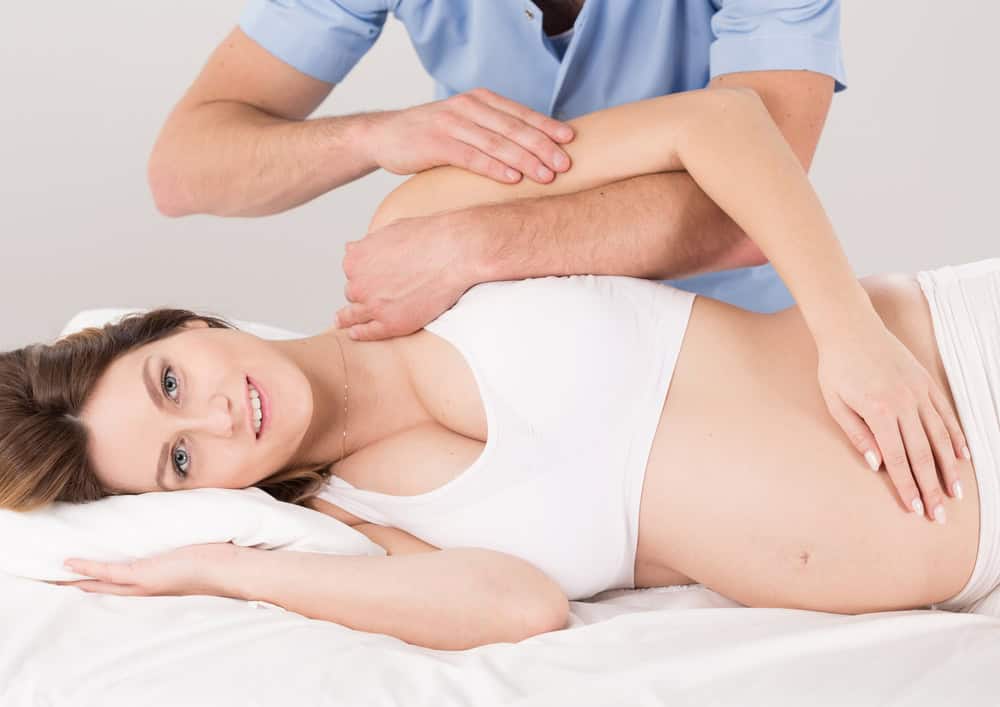
Recovering from a cesarean section requires time, structure, and the right guidance. Unlike a vaginal delivery, a C-section involves abdominal surgery, which affects not only the skin but also deeper layers including muscles, fascia, and connective tissue. It is normal to feel discomfort, weakness, and uncertainty about how to move safely. Starting your recovery with a clear plan, often supported by Postnatal Physiotherapy, helps you heal properly, regain strength, and return to daily activity with confidence. The focus is not just on recovery, but on restoring function and protecting your long-term health.
Understanding What Your Body Has Been Through
A C-section is a controlled surgical procedure, but it is still a major physical event. Multiple layers of tissue are involved, and healing occurs at different rates. While the outer incision may appear to heal within a few weeks, deeper structures take longer to recover.
You may experience:
- Pain or sensitivity around the incision site
- Weakness in your abdominal muscles
- Reduced core stability
- Fatigue and limited mobility
These responses are expected. Understanding them helps you approach recovery with patience and the right expectations.
Early Recovery Priorities: First 0 to 6 Weeks
The initial phase of recovery focuses on healing and protecting the surgical site. Movement is important, but it needs to be controlled and supportive.
Managing Pain and Supporting Healing
Discomfort around the incision is common. Supporting the area when you cough, laugh, or move can reduce strain. Gentle movement helps circulation and prevents stiffness, but should not cause sharp pain.
Safe Movement Strategies
Simple actions such as getting out of bed, standing, and walking should be done with care. Rolling onto your side before sitting up, and using your arms to assist movement, reduces pressure on your abdomen.
Short, regular walks are encouraged, but intensity should remain low. The goal is to maintain mobility without overloading your body.
Breathing and Gentle Activation
Breathing exercises support recovery by engaging your diaphragm and gently activating your core. This helps restore coordination between your abdominal muscles and pelvic floor without stressing the incision.
Early pelvic floor activation is also important. Even though your abdomen has been operated on, your pelvic floor still needs attention to maintain support and function.
Protecting Your Core During Recovery
Your core has been affected both by pregnancy and surgery. Protecting it during recovery is essential to avoid complications such as prolonged weakness or abdominal separation.
Avoiding Excessive Strain
Activities that increase pressure on your abdomen should be limited in the early stages. This includes heavy lifting, intense abdominal exercises, and sudden movements. Even everyday tasks such as lifting your baby should be done with proper technique.
Supporting the Incision Area
Using your hands or a small cushion to support your abdomen during movement can reduce discomfort. Wearing supportive clothing may also help you feel more secure during daily activity.
The aim is to protect healing tissues while maintaining gentle movement.
Rebuilding Strength: 6 to 12 Weeks
As healing progresses, your body becomes more responsive to rehabilitation. This is the stage where structured strengthening begins.
Restoring Core Function
Your abdominal muscles need to be retrained gradually. This starts with low-load exercises that focus on control and coordination. The emphasis is on engaging the deep core muscles rather than performing high-intensity movements.
Pelvic Floor Integration
Your pelvic floor works together with your core. Strengthening both systems in coordination improves stability and supports your recovery. This also reduces the risk of symptoms such as leakage or discomfort.
Improving Posture and Movement
Posture often changes during pregnancy and after delivery, especially with feeding and carrying your baby. Addressing these patterns helps reduce strain on your back and abdomen.
Exercises during this phase should feel controlled and manageable. Progression should be gradual and based on how your body responds.
Scar Management and Tissue Mobility
Your scar is not just a surface feature. It can affect how tissues move and interact beneath the skin. Addressing scar mobility is an important part of recovery.
When to Start Scar Work
Once the incision has fully healed and your healthcare provider has given clearance, gentle scar massage can be introduced. This helps improve circulation and reduce tightness.
Benefits of Scar Management
Improving tissue mobility supports better movement, reduces discomfort, and helps restore normal function in the surrounding area. It can also reduce sensitivity over time.
Scar work should be introduced carefully and progressed based on comfort.
Returning to Daily Activity
As your strength improves, daily tasks should become easier. However, returning to full activity requires a structured approach.
Lifting and Carrying
Using proper technique when lifting your baby or other objects reduces strain on your abdomen. Engage your core before lifting and avoid sudden movements.
Household and Work Activities
Gradually reintroduce tasks such as cleaning, driving, or returning to work. Monitor how your body responds and adjust your activity level accordingly.
The focus is on consistency and control, not speed.
Returning to Exercise and Higher-Level Activity
Higher-intensity exercise should only be introduced when your body is ready. This typically occurs after the initial healing and strengthening phases.
Assessing Readiness
Before progressing, you should have:
- Good core control without pain
- Stable pelvic floor function
- The ability to perform daily activities comfortably
These indicators suggest that your body can handle increased demand.
Progressive Return to Exercise
Start with low-impact activities and gradually increase intensity. Strength training, walking, and controlled functional exercises form the foundation before moving to higher-impact activities.
Each step should feel manageable and supported.
Common Challenges After a C-Section
Some challenges may persist if not addressed early. These include:
- Ongoing abdominal weakness
- Back or pelvic pain
- Sensitivity or tightness around the scar
- Reduced confidence in movement
These are not uncommon, and they can be improved with targeted rehabilitation.
What to Expect From Recovery
Recovery after a C-section is gradual. You may start to feel improvements in mobility and comfort within a few weeks, but rebuilding strength and full function takes longer. Consistency is key.
Progress should feel steady, with increasing confidence in movement and reduced discomfort over time. If symptoms persist or worsen, it is important to seek guidance.
Taking the Next Step
If you are recovering from a C-section and unsure how to move forward, starting with a structured assessment provides clarity and direction. Understanding your current condition allows you to follow a plan that supports healing and builds strength safely.
At Adam Vital, we guide your recovery step by step, focusing on restoring function, improving strength, and supporting your return to daily activity. Your plan is tailored to your body, your delivery experience, and your goals.
C-section recovery is not about rushing the process. It is about rebuilding properly so your body feels strong, supported, and capable again. With the right guidance, you can recover with confidence and move forward safely.
