
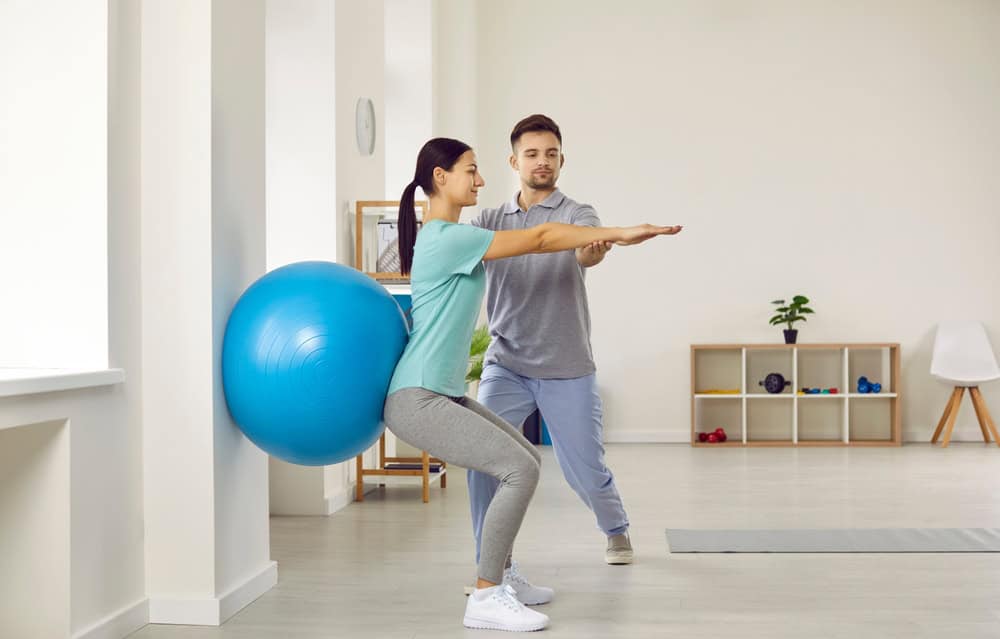
Experiencing urinary leakage after childbirth can feel frustrating, unexpected, and at times limiting. You may notice leakage when coughing, sneezing, laughing, or exercising. For some, it affects daily confidence and the ability to return to normal activity. This is a common postnatal concern, but it is not something you need to accept as permanent. With the right approach, control can be restored. Many women begin this process through Postnatal Physiotherapy, where assessment and guided rehabilitation focus on rebuilding pelvic floor function, improving coordination, and supporting long-term recovery.
Understanding Postnatal Incontinence
Postnatal incontinence is most commonly linked to changes in the pelvic floor. During pregnancy and childbirth, these muscles are stretched and may lose strength, coordination, or endurance. As a result, they may not respond effectively to increases in pressure, such as when you cough or move quickly.
Common types include:
- Stress incontinence which occurs during physical effort such as coughing, sneezing, or exercise
- Urgency incontinence which involves a sudden, strong need to urinate that is difficult to control
Both types can occur after birth, and both respond well to targeted rehabilitation.
Why Incontinence Happens After Birth
Several factors contribute to postnatal incontinence:
- Stretching and weakening of the pelvic floor muscles
- Reduced coordination between the pelvic floor and core muscles
- Nerve sensitivity changes following delivery
- Increased pressure on the pelvic region during pregnancy
Even if symptoms are mild, they indicate that your pelvic floor needs support. Addressing this early improves recovery and reduces the risk of long-term issues.
Step 1: Restoring Awareness and Control
The first step in recovery is understanding how to activate your pelvic floor correctly. Many women are unsure whether they are contracting the right muscles, or they may overuse surrounding muscles instead.
Learning the Correct Contraction
A proper pelvic floor contraction should feel like a gentle lift and support internally. It should not involve tightening your glutes, holding your breath, or straining your abdomen.
Relaxation and Release
Equally important is the ability to fully relax the muscles. A pelvic floor that cannot relax properly may also contribute to symptoms. Recovery involves both activation and release.
This stage builds the foundation for all further progress.
Step 2: Coordinating With Breathing and Core
Your pelvic floor works in coordination with your diaphragm and core muscles. Restoring this relationship improves function and control.
Breath-Led Movement
As you exhale, your pelvic floor should gently engage. As you inhale, it should relax. Practising this pattern helps restore natural muscle timing and reduces unnecessary strain.
Functional Coordination
Engaging your pelvic floor before activities such as lifting or coughing helps manage pressure and prevent leakage. This coordination becomes automatic with practice.
The focus is on timing and control rather than force.
Step 3: Building Strength and Endurance
Once control is established, strengthening the pelvic floor becomes the priority. Your muscles need to respond to both short bursts of pressure and sustained activity.
Short Contractions for Quick Response
These help your pelvic floor react quickly during activities like coughing or jumping. This is essential for preventing leakage during sudden movements.
Long Holds for Endurance
Endurance allows your pelvic floor to maintain support throughout the day. This is particularly important for prolonged activities such as walking or standing.
Both types of training are necessary for full recovery.
Step 4: Integrating Into Daily Movement
Recovery is not complete until your pelvic floor can support you during real-life activities. This requires integration into movement patterns.
Applying Strength to Everyday Tasks
This includes lifting your baby, carrying items, or transitioning between positions. Your pelvic floor should engage automatically to manage pressure.
Preparing for Exercise
If you plan to return to exercise, your pelvic floor must be able to handle increased demand. This includes both strength and coordination under load.
Gradual progression ensures that your body adapts safely.
Common Mistakes That Delay Recovery
Without guidance, it is easy to adopt habits that limit progress or worsen symptoms.
- Performing pelvic floor exercises without correct technique
- Holding your breath during contractions
- Stopping exercises once symptoms improve
- Ignoring the role of the core and overall movement patterns
Consistency and precision are key to effective recovery.
Lifestyle Factors That Support Recovery
In addition to exercises, daily habits play an important role in managing symptoms.
Managing Fluid Intake
Staying hydrated supports bladder health, but excessive intake of irritants such as caffeine may increase urgency.
Toileting Habits
Avoiding “just in case” trips to the bathroom helps train your bladder to function more normally. Establishing a regular routine supports control.
Movement and Posture
Good posture and controlled movement reduce unnecessary pressure on the pelvic floor, supporting recovery throughout the day.
These adjustments complement your rehabilitation program.
Signs You May Need Additional Support
While some improvement can occur naturally, certain symptoms indicate the need for targeted rehabilitation.
- Persistent leakage beyond the early postnatal period
- Difficulty controlling urgency
- Symptoms that limit your return to activity
- Uncertainty about how to perform exercises correctly
These are clear signals that your body would benefit from structured support.
What Progress Should Feel Like
As your pelvic floor recovers, you should notice improved control, reduced leakage, and increased confidence in movement. Daily activities should feel more manageable, and your ability to exercise should improve over time.
Progress is often gradual, but consistent effort leads to meaningful results.
The Role of Professional Guidance
Postnatal incontinence is highly treatable with the right approach. Assessment helps identify whether your pelvic floor is weak, overactive, or uncoordinated, and treatment is tailored accordingly.
Guided rehabilitation ensures:
- Correct technique and progression
- Early identification of underlying issues
- Support and reassurance throughout recovery
This approach improves outcomes and reduces uncertainty.
Taking the Next Step
If you are experiencing postnatal incontinence, the most effective next step is to begin with a structured assessment. This provides clarity on your condition and a plan that supports your recovery safely.
At Adam Vital, we guide you step by step, focusing on restoring pelvic floor function, improving control, and supporting your return to daily activity and exercise. Your plan is tailored to your body and your goals.
Incontinence after birth is common, but it is not something you have to live with. With the right guidance, you can rebuild strength, regain control, and move forward with confidence.
