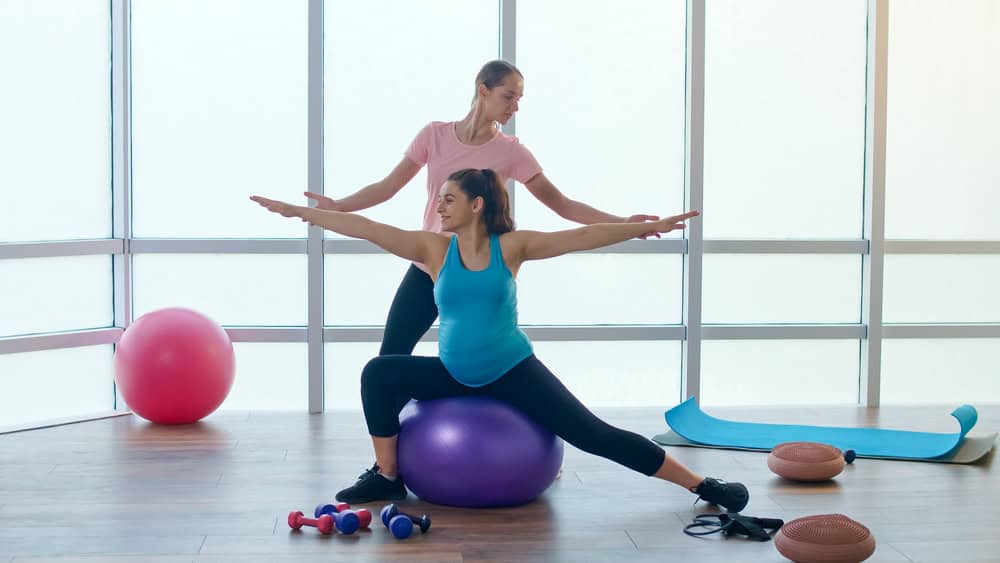
You may notice a gap or bulging in your abdomen after pregnancy, especially when sitting up, lifting, or engaging your core. This condition, known as diastasis recti, is common after childbirth and reflects a separation of the abdominal muscles. While it is a natural adaptation during pregnancy, it requires the right approach to recover effectively. Many women begin this process through Postnatal Physiotherapy, where structured assessment and rehabilitation focus on restoring core function, improving strength, and supporting long-term stability. The goal is not just to reduce the gap, but to rebuild how your core works.
What Is Diastasis Recti
Diastasis recti refers to the separation of the rectus abdominis muscles along the midline of your abdomen. This occurs as the connective tissue stretches to accommodate your growing baby. After birth, this tissue may remain widened or weakened, affecting how your core functions.
You may notice:
- A visible bulge or doming along the midline when engaging your core
- A feeling of weakness or lack of support in your abdomen
- Difficulty performing movements that require core strength
- Associated back or pelvic discomfort
These signs indicate that your core system needs targeted rehabilitation.
Why It Matters for Your Recovery
Diastasis recti is not only about appearance. It affects how your core supports your spine, transfers force, and stabilises your body during movement.
Without proper management, it can contribute to:
- Reduced core strength and stability
- Lower back pain
- Poor posture and movement patterns
- Difficulty returning to exercise
Addressing the condition early helps restore function and prevents longer-term issues.
How to Check for Diastasis Recti
A simple self-check can give you an initial idea of whether separation is present. However, a full assessment provides a more accurate understanding of your condition.
Basic Self-Check Method
Lie on your back with your knees bent and feet flat on the floor. Place your fingers along the midline of your abdomen. Gently lift your head and shoulders slightly off the ground and feel for a gap between the muscles.
You may notice:
- The width of the separation
- The depth or softness of the tissue
- Any bulging or doming during movement
This provides a general indication, but it does not fully assess how your core is functioning.
Why Assessment Is Important
The size of the gap is only one factor. Tissue tension, muscle coordination, and overall core function are equally important. A structured assessment identifies what your body needs and guides your rehabilitation.
Step 1: Restoring Core Awareness
The first stage of rehabilitation focuses on reconnecting with your deep core muscles. Many women compensate by overusing superficial muscles, which can limit recovery.
Breathing and Core Coordination
Diaphragmatic breathing helps activate your deep core muscles and supports coordination with your pelvic floor. This creates a stable foundation for movement.
Gentle Activation
Exercises at this stage involve subtle engagement of the deep abdominal muscles. The aim is to create support without causing bulging or strain.
This stage builds control and awareness rather than strength.
Step 2: Improving Tissue Tension and Control
As awareness improves, the focus shifts to enhancing the tension and responsiveness of the connective tissue.
Controlled Movements
Exercises are introduced that challenge your core while maintaining alignment and control. Avoiding doming or bulging is essential during this stage.
Coordinating With the Pelvic Floor
Your pelvic floor works closely with your abdominal muscles. Integrating both systems improves stability and supports recovery.
Progression should be gradual and guided by your response.
Step 3: Building Strength Safely
Once control and coordination are established, strengthening becomes the priority. This is where your core begins to regain functional capacity.
Low-Load Strengthening
Start with exercises that challenge stability without excessive pressure. These movements should feel controlled and manageable.
Progressive Loading
As your strength improves, exercises can become more dynamic and incorporate resistance. This helps your core adapt to real-life demands.
The focus remains on quality of movement, not intensity.
Step 4: Integrating Into Functional Movement
Recovery is not complete until your core can support you during everyday activities.
Applying Core Support
Your core should engage automatically during tasks such as lifting, carrying, and transitioning between positions. This reduces strain and improves efficiency.
Postural Control
Improved core function supports better posture, reducing pressure on your abdomen and back.
These improvements contribute to long-term stability and comfort.
Step 5: Returning to Exercise and Activity
If your goal is to return to higher-level activity, your core needs to handle increased load and movement complexity.
Assessing Readiness
You should be able to perform strength exercises without bulging, pain, or instability. Your core should feel supportive during movement.
Gradual Progression
Higher-intensity exercises should be introduced step by step. This allows your body to adapt and reduces the risk of regression.
Rushing this stage can slow your recovery.
Common Mistakes to Avoid
Without guidance, it is easy to adopt habits that may worsen the condition.
- Performing traditional abdominal exercises too early
- Ignoring bulging or doming during movement
- Holding your breath during exercises
- Focusing only on closing the gap rather than improving function
Effective rehabilitation focuses on restoring how your core works as a system.
What Progress Should Feel Like
As your core recovers, you should notice improved stability, reduced bulging, and greater confidence in movement. Daily activities should feel easier, and your strength should increase gradually.
Changes in the appearance of the gap may occur, but functional improvement is the primary goal.
When to Seek Support
If you are unsure about your condition or struggling to make progress, professional guidance can provide clarity and direction.
- Persistent abdominal weakness
- Visible bulging during movement
- Associated back or pelvic pain
- Difficulty returning to exercise
These are clear indicators that structured rehabilitation is needed.
The Role of Professional Guidance
Diastasis recti recovery is individual. Assessment identifies the extent of separation, tissue quality, and muscle coordination. Treatment is then tailored to your needs.
Guided rehabilitation ensures:
- Correct exercise technique
- Appropriate progression
- Early identification of issues
This approach improves outcomes and supports long-term recovery.
Taking the Next Step
If you suspect diastasis recti or want to improve your core function after birth, the most effective next step is a structured assessment. This provides clarity on your condition and a plan that supports safe and effective recovery.
At Adam Vital, we guide you step by step through rehabilitation, focusing on restoring strength, improving function, and supporting your return to daily activity and exercise. Your plan is tailored to your body and your goals.
Diastasis recti recovery is not about quick fixes. It is about rebuilding your core properly so your body feels strong, stable, and capable again. With the right guidance, meaningful and lasting progress is achievable.
