
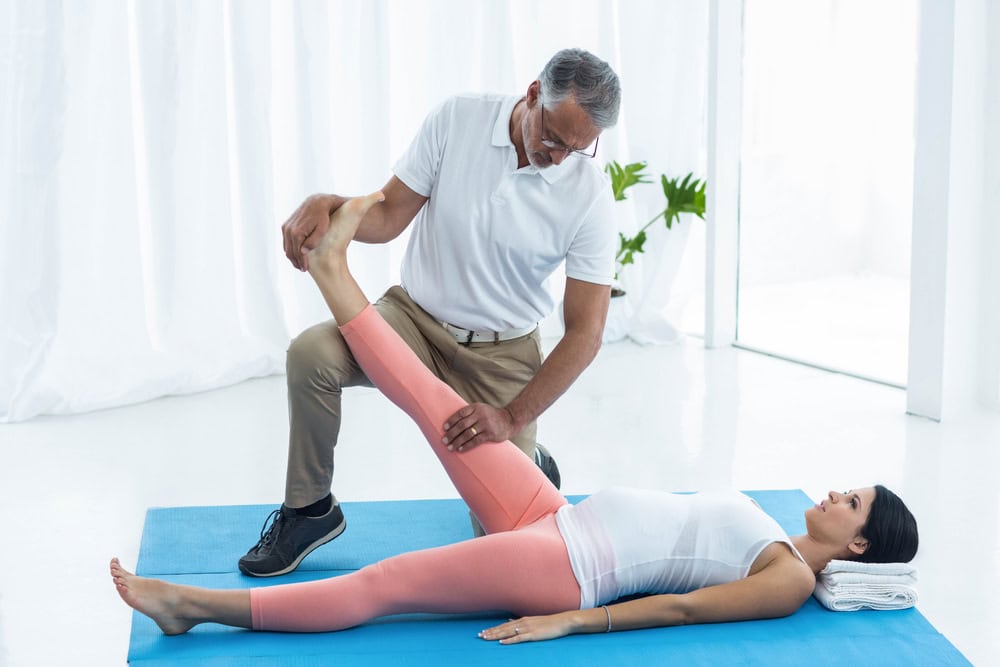
After giving birth, returning to movement can feel uncertain. You may be eager to exercise again, or unsure what your body is ready for. Pain, weakness, or a lack of confidence are common, and pushing too early can delay recovery. A structured approach makes the difference between temporary relief and long-term strength. Many women begin with Postnatal Physiotherapy to ensure that movement is reintroduced safely, progressively, and in a way that supports healing rather than disrupting it. The focus is not just on getting active again, but on moving well, building strength, and restoring control.
Why Returning to Movement Needs a Plan
Your body has gone through significant physical change during pregnancy and delivery. Muscles have stretched, joints have adapted, and key support systems such as your core and pelvic floor have been challenged. Even if you feel generally well, underlying weakness or instability may still be present.
Returning to movement without a clear plan can lead to:
- Pelvic floor strain or urinary leakage
- Increased back or pelvic pain
- Delayed healing of abdominal separation
- Fatigue and reduced recovery capacity
A structured approach ensures that each stage of movement builds on a stable foundation. This supports better outcomes and reduces the risk of setbacks.
Step 1: Reconnect With Your Body
The first step is not exercise in the traditional sense. It is about awareness and control. After birth, many women feel disconnected from their core and pelvic floor. Rebuilding this connection is essential before adding load or intensity.
Breathing and Core Activation
Breathing patterns play a key role in recovery. Diaphragmatic breathing helps coordinate your core muscles and supports gentle activation of the pelvic floor. This creates a foundation for all future movement.
Pelvic Floor Engagement
Learning how to contract and relax your pelvic floor correctly is critical. Over-tightening or under-activating can both cause problems. Controlled activation helps restore support, stability, and confidence in movement.
These initial exercises are subtle but highly effective. They prepare your body for more demanding activity.
Step 2: Restore Basic Movement Patterns
Once you have re-established control, the next step is to reintroduce simple, functional movements. These are the movements you use every day, such as standing, walking, and lifting your baby.
Focus on Quality Over Quantity
At this stage, how you move matters more than how much you do. Key focus areas include:
- Maintaining a neutral spine during movement
- Engaging your core before lifting or changing position
- Avoiding compensations such as over-arching your back
Small adjustments in movement can significantly reduce strain and improve comfort.
Gradual Increase in Activity
Walking is often the first form of exercise reintroduced. Start with short, manageable distances and increase gradually based on how your body responds. Fatigue, discomfort, or heaviness are signs to adjust your intensity.
The goal is to build tolerance, not to test limits.
Step 3: Build Strength and Stability
As your body becomes more stable, you can begin structured strengthening. This is where recovery transitions into rehabilitation.
Core Strength Development
Exercises should target deep core muscles that support your spine and pelvis. This includes controlled movements that challenge stability without excessive strain.
Pelvic Floor Strength and Endurance
Your pelvic floor needs both strength and endurance. This allows it to support daily activity and respond to increased demand, such as lifting or impact.
Full Body Strength
Strengthening your hips, glutes, and upper body supports overall movement and reduces pressure on your core and pelvic floor. This is especially important if you are carrying, feeding, or lifting frequently.
Progression should be gradual and guided. The aim is consistent improvement, not rapid escalation.
Step 4: Return to Higher-Level Activity
Returning to activities such as running, gym training, or sport requires a higher level of readiness. This stage should only be introduced when your body demonstrates sufficient strength, control, and stability.
Assessing Readiness
Before returning to higher-impact activity, you should be able to:
- Engage your core and pelvic floor effectively during movement
- Perform strength exercises without pain or instability
- Move through daily tasks without discomfort
These indicators suggest that your body can handle increased demand.
Gradual Reintroduction
Higher-level activities should be introduced in stages. For example, before returning to running, you may start with brisk walking, then short intervals of light jogging. Each stage allows your body to adapt and build resilience.
Rushing this process increases the risk of injury or regression.
Common Mistakes to Avoid
Many women unintentionally slow their recovery by following general fitness advice that does not account for postpartum changes. Common mistakes include:
- Starting high-intensity exercise too early
- Ignoring symptoms such as pain, leakage, or heaviness
- Focusing only on abdominal exercises without addressing the pelvic floor
- Comparing your progress to others
Your recovery is individual. What matters is what your body needs at each stage.
Listening to Your Body
Your body provides clear feedback during recovery. Signs that you may need to adjust your approach include:
- Persistent pain during or after activity
- A feeling of pressure or heaviness in the pelvic area
- Urinary leakage during movement
- Excessive fatigue that does not improve with rest
These signals are not setbacks. They are guidance. Adjusting your plan early helps prevent longer-term issues.
What Progress Should Feel Like
Safe progression is gradual and consistent. You should notice improvements in strength, control, and confidence over time. Daily activities should feel easier, and your tolerance for movement should increase.
It is normal to experience mild discomfort as your body adapts, but sharp pain or worsening symptoms should be addressed promptly.
Clear, measurable progress builds confidence and supports long-term recovery.
The Role of Professional Guidance
Returning to movement after birth is more effective with expert support. Assessment identifies your starting point, and a tailored plan ensures that each step is appropriate for your condition and goals.
Professional guidance helps you:
- Understand what your body is ready for
- Progress safely through each stage
- Address any issues early
- Build strength and resilience with confidence
This approach reduces uncertainty and improves outcomes.
Taking the Next Step
If you are unsure how to return to movement after birth, the best next step is to begin with a structured assessment. This provides clarity on your current condition and a plan that supports your recovery safely.
At Adam Vital, we guide you step by step, focusing on restoring movement, building strength, and supporting your long-term health. Whether your goal is to feel comfortable in daily life or return to higher-level activity, your plan is tailored to your body and your progress.
Returning to movement is not about doing more. It is about doing the right things at the right time. With the right support, you can rebuild strength, regain confidence, and move forward with control.
