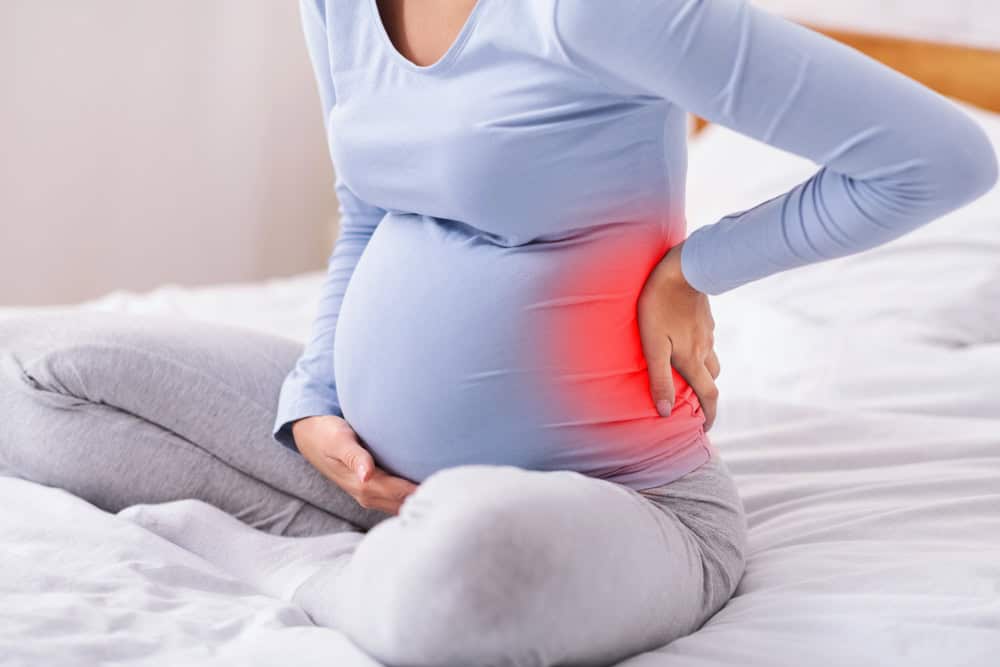
Upper back and rib pain during pregnancy can make breathing, sitting, and even resting uncomfortable. You may feel tightness around your ribs, aching between your shoulder blades, or discomfort when taking a deep breath. These symptoms are common as your body adapts, but they can affect your daily comfort and posture if not addressed. At Pregnancy-Related Pain Treatment, we focus on identifying the cause of your upper back and rib pain and guiding you through a structured plan to reduce tension, improve mobility, and help you move and breathe more comfortably.
Why Upper Back and Rib Pain Develops During Pregnancy
As your pregnancy progresses, your body undergoes changes that affect how your upper spine and ribcage function.
The growing uterus pushes upward, altering how your ribcage expands during breathing. At the same time, changes in posture, including rounding of the shoulders and increased upper back strain, can place additional load on the thoracic spine.
Hormonal changes also affect joint stability, which can influence how the ribs and spine move together. These factors combined can lead to stiffness, muscle tension, and discomfort in the upper back and rib area.
Common Symptoms You May Notice
Upper back and rib pain can vary depending on the underlying cause and how your body is adapting.
Aching Between the Shoulder Blades
You may feel a persistent ache or tightness in the upper back, especially after sitting for long periods or at the end of the day.
Ribcage Discomfort
Pain around the sides or front of the ribcage can make certain movements or positions uncomfortable.
Discomfort with Deep Breathing
You may notice tightness or restriction when taking a deep breath, particularly in the later stages of pregnancy.
Postural Fatigue
Maintaining an upright posture may feel more tiring, leading to increased rounding of the shoulders and further strain on the upper back.
Key Contributing Factors
Understanding what is driving your symptoms helps guide the most effective management approach.
Postural Changes
As your center of gravity shifts, your upper body may round forward. This places increased strain on the muscles of the upper back and reduces optimal ribcage movement.
Reduced Thoracic Mobility
The thoracic spine plays a key role in allowing the ribcage to expand during breathing. Reduced mobility in this area can lead to stiffness and discomfort.
Increased Load on Supporting Muscles
Changes in breast size and body weight can place additional demand on the upper back and shoulder muscles, leading to fatigue and tension.
Breathing Pattern Changes
As the diaphragm is pushed upward, breathing patterns may change. This can reduce ribcage movement and contribute to tightness in the surrounding muscles.
How It Affects Daily Life
Upper back and rib pain can impact how you sit, work, rest, and sleep. You may find it difficult to maintain comfortable positions for long periods or feel restricted in your breathing.
This discomfort can lead to reduced energy levels, increased fatigue, and a tendency to avoid movement. Addressing these symptoms early helps maintain comfort and function throughout your pregnancy.
Assessment and Personalised Care
Your care begins with a detailed assessment to understand how your spine, ribcage, and muscles are working together. This includes evaluating posture, movement, breathing patterns, and areas of tension.
The goal is to identify the root cause of your discomfort and create a plan that supports your body as it adapts to pregnancy.
Targeted Treatment Approach
Effective management focuses on improving mobility, reducing muscle tension, and supporting better posture and breathing.
Thoracic Mobility Exercises
You will be guided through gentle exercises that improve movement in the upper spine, helping to reduce stiffness and support ribcage expansion.
Postural Correction
Small adjustments in how you sit, stand, and move can reduce strain on the upper back. You will learn how to maintain a more supported and comfortable posture.
Breathing Techniques
Improving how you breathe can reduce tension in the ribcage and support better movement of the diaphragm. This also helps with relaxation and overall comfort.
Manual Therapy
Hands-on techniques may be used to release muscle tension, improve joint mobility, and relieve discomfort in the upper back and rib area.
Strengthening Support Muscles
Targeted exercises help improve the strength and endurance of the muscles that support your upper back, reducing fatigue and improving posture.
Practical Strategies for Daily Comfort
Simple changes in your daily routine can make a noticeable difference in how your upper back and ribs feel.
Optimise Your Sitting Position
Ensure your chair supports your back and that your screen is at eye level. Avoid prolonged slouching and take regular breaks to move.
Use Support When Resting
Pillows can be used to support your upper body and maintain a comfortable position when lying down.
Stay Gently Active
Regular, controlled movement helps prevent stiffness and supports circulation. Avoid staying in one position for extended periods.
Be Mindful of Lifting and Reaching
Use controlled movements and avoid excessive strain when reaching overhead or lifting objects.
When to Seek Professional Support
If your pain is persistent, worsening, or affecting your breathing or daily activities, it is important to seek professional guidance.
An assessment helps ensure that your symptoms are properly understood and managed safely. Early intervention can prevent the discomfort from becoming more limiting.
What Progress Looks Like
With the right approach, many women experience reduced tension, improved mobility, and more comfortable breathing within a few sessions. You may notice that it becomes easier to maintain posture and perform daily activities without discomfort.
Progress depends on your individual needs, your stage of pregnancy, and consistency with your plan. The focus remains on steady, measurable improvement.
Conclusion
Upper back and rib pain during pregnancy can feel restrictive, but with the right support, it can be managed effectively. By addressing posture, mobility, and breathing, you can reduce discomfort and improve your overall comfort.
If this type of pain is affecting your daily life, the next step is to book an assessment. We will guide you through a personalised plan designed to reduce tension, restore movement, and help you breathe and move with greater ease throughout your pregnancy.
