
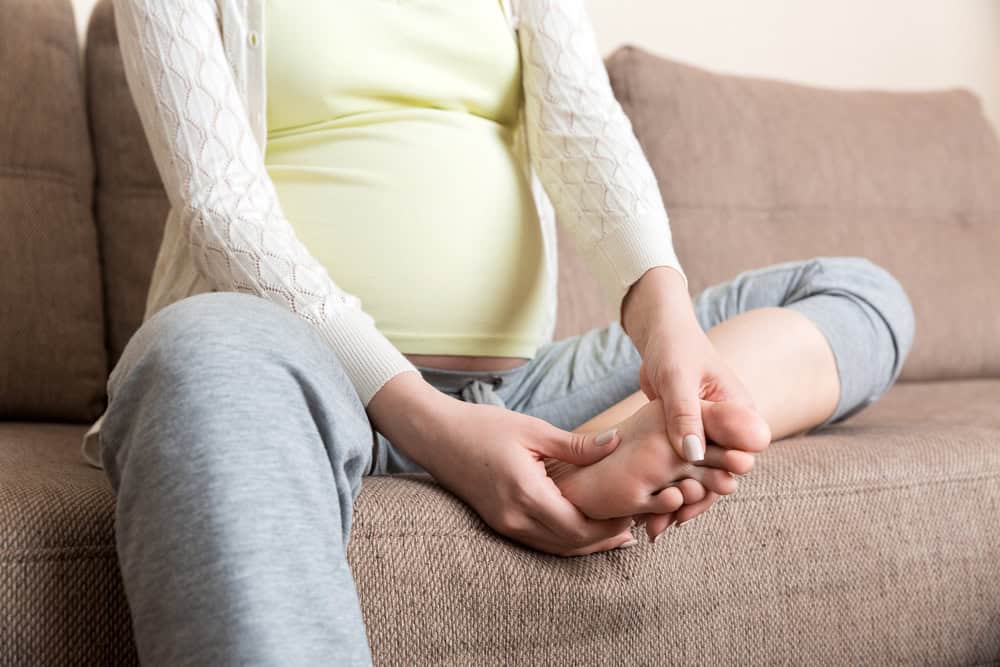
Round ligament pain is a common source of discomfort during pregnancy, often felt as a sharp or pulling sensation in the lower abdomen or groin. It can appear suddenly when you stand up, turn, cough, or move quickly. While this type of pain is usually not harmful, it can be unsettling and limit your confidence in movement. At Pregnancy-Related Pain Treatment, we focus on helping you understand what is causing the discomfort and guide you through safe, effective strategies to reduce pain and improve how your body moves.
What Is Round Ligament Pain
The round ligaments are two cord-like structures that support the uterus and connect it to the pelvis. As your uterus expands during pregnancy, these ligaments stretch and adapt to accommodate growth.
Round ligament pain occurs when these structures are placed under sudden tension or are unable to adapt smoothly to changes in movement or load. This is why the pain often feels sharp and short-lived, especially during quick transitions.
Why It Happens During Pregnancy
Your body is constantly adjusting to support your growing baby, and these changes affect how the round ligaments respond to movement.
Rapid Uterine Growth
As the uterus expands, the ligaments are stretched over time. This can make them more sensitive to sudden changes in position.
Sudden Movements
Quick actions such as standing up, turning, or coughing can create a rapid pull on the ligaments, triggering discomfort.
Changes in Posture
As your center of gravity shifts, your posture adapts. This can place additional strain on the ligaments, especially if movement patterns are not well supported.
Reduced Muscle Support
The surrounding muscles, including the core and pelvic floor, help support the uterus. If these muscles are not working efficiently, the ligaments may take on more load.
Common Symptoms You May Notice
Round ligament pain is usually distinct in how it presents and is often linked to specific movements.
Sharp or Pulling Sensation
You may feel a sudden, sharp pain in the lower abdomen or groin, often on one side. This typically occurs with quick movements.
Short-Lived Discomfort
The pain usually lasts for a few seconds to a few minutes and then settles once the movement stops.
Triggered by Movement
Common triggers include getting out of bed, standing up quickly, turning, sneezing, or coughing.
Occasional Lingering Ache
In some cases, a mild ache may remain after the initial sharp pain, particularly if the ligaments have been repeatedly strained.
How It Affects Daily Life
Although round ligament pain is typically brief, it can affect how you move throughout the day. You may become more cautious with transitions, avoid certain movements, or feel uncertain about what will trigger discomfort.
This can lead to reduced confidence in movement and unnecessary tension in the body. Addressing the underlying factors helps you move more freely and comfortably.
Assessment and Personalised Guidance
A detailed assessment helps determine how your body is managing movement and where additional support is needed. This includes evaluating posture, core activation, and how you perform everyday transitions.
The aim is to reduce strain on the ligaments by improving how your body distributes load and supports movement.
Effective Strategies for Pain Relief
Managing round ligament pain focuses on reducing sudden strain, improving support, and guiding your body through smoother movement patterns.
Controlled Movement Transitions
You will be guided on how to move more gradually between positions. Slowing down transitions such as standing up or turning can significantly reduce ligament strain.
Core Support Activation
Activating the deep core muscles provides better support for the uterus and reduces the load on the ligaments. These exercises are safe and tailored to your stage of pregnancy.
Postural Adjustments
Improving posture helps distribute load more evenly across the body, reducing unnecessary tension on the ligaments.
Breathing Techniques
Coordinated breathing supports core activation and helps manage intra-abdominal pressure during movement.
Manual Therapy
Gentle hands-on techniques may be used to reduce tension in surrounding muscles and improve overall comfort.
Practical Tips for Everyday Comfort
Small changes in your daily routine can help reduce the frequency and intensity of round ligament pain.
Move Slowly and Intentionally
Take your time when changing positions. Avoid sudden or jerky movements where possible.
Support Your Abdomen
When coughing or sneezing, gently support your abdomen with your hands to reduce strain on the ligaments.
Adjust Sleep Position
Side sleeping with a pillow supporting your abdomen can help reduce tension overnight.
Stay Gently Active
Regular, controlled movement helps maintain flexibility and reduces stiffness, supporting overall comfort.
When to Seek Professional Support
While round ligament pain is common, it is important to seek guidance if the pain becomes persistent, severe, or difficult to manage.
An assessment ensures that your symptoms are correctly identified and that there are no other contributing factors. It also provides you with a clear, structured plan to manage your discomfort safely.
What Progress Looks Like
With the right approach, many women notice a reduction in the frequency and intensity of round ligament pain within a short period. You may feel more confident in your movements and less apprehensive about daily activities.
Progress depends on your individual needs and consistency with your plan. The focus remains on steady improvement and improved movement quality.
Conclusion
Round ligament pain is a natural part of pregnancy for many women, but it does not need to limit your movement or confidence. With the right guidance, you can reduce discomfort and move more comfortably through each stage of pregnancy.
If this type of pain is affecting your daily life, the next step is to book an assessment. We will guide you step by step with a personalised plan designed to support your body, reduce strain, and help you move with greater ease and control.
