Posture is not determined only by how the body looks when standing or sitting still. It is shaped by how the body moves throughout the day. Repetitive habits such as slouching while sitting, lifting with poor mechanics, or reaching forward during desk work gradually teach the body new movement patterns. Over time these patterns may contribute to muscle imbalance, joint strain, and reduced efficiency in everyday movement. Improving posture therefore involves more than simply holding the spine upright. At Adam Vital Physiotherapy & Rehabilitation Center in Dubai, rehabilitation focuses on retraining how the body moves during daily activity. Many individuals experiencing ongoing neck, shoulder, or back discomfort benefit from Posture Correction / Postural Rehab, which combines targeted exercises with movement retraining to restore balanced posture and more efficient movement.
What Is Movement Retraining
Movement retraining is a physiotherapy approach that focuses on correcting the way the body performs everyday movements. Instead of addressing symptoms alone, it identifies the patterns that place unnecessary stress on the spine and joints.
These patterns may include slouching during sitting, excessive arching of the lower back during lifting, or shoulder compensation during reaching movements. Over time the body begins to rely on these patterns automatically.
Retraining involves guiding the body to adopt more efficient movement strategies that support healthy posture and reduce strain.
How Poor Movement Patterns Develop
Movement patterns evolve gradually as the body adapts to daily routines. When certain muscles become overused and others remain underactive, posture and movement efficiency begin to change.
Repetitive Daily Activities
Tasks such as prolonged computer work, driving, or carrying bags on one side of the body can reinforce imbalanced movement patterns.
Muscle Imbalances
Tight muscles may limit joint mobility while weaker stabilising muscles reduce support for the spine. This imbalance often leads to compensatory movement strategies.
Pain Avoidance Patterns
When discomfort develops, people naturally adjust their movements to avoid pain. Although this may provide short term relief, it can reinforce inefficient patterns over time.
The Relationship Between Movement and Posture
Posture and movement are closely connected. A person who struggles to maintain balanced posture often moves in ways that reinforce that imbalance.
For example, forward head posture may lead to shoulder rounding during reaching tasks. Similarly, reduced core stability may cause excessive lower back movement during bending or lifting.
Movement retraining addresses these patterns by improving coordination between muscles and joints.
Assessment of Movement Patterns
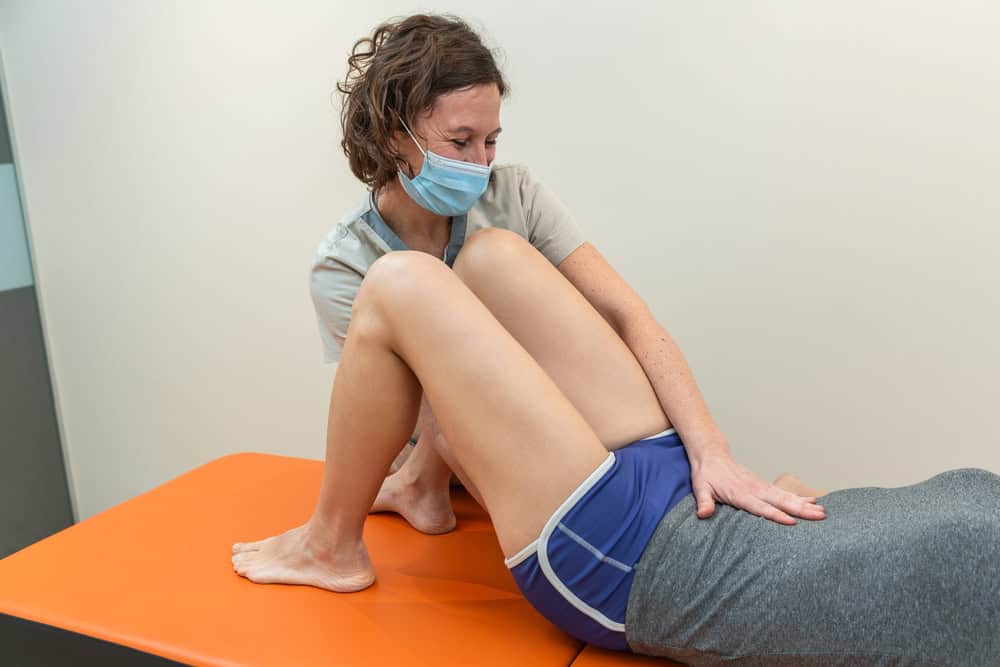
Effective movement retraining begins with a detailed physiotherapy assessment. At Adam Vital Physiotherapy & Rehabilitation Center, physiotherapists evaluate how the body moves during functional tasks.
Patients may be asked to perform simple actions such as bending, reaching overhead, sitting down, or standing up. These movements provide insight into how the spine, hips, and shoulders work together.
Observing these tasks helps identify areas where the body compensates due to weakness, stiffness, or reduced control.
Key Areas of Focus During Movement Retraining
Movement retraining often focuses on restoring coordination between the spine, pelvis, and shoulders.
Spinal Alignment During Movement
Patients learn how to maintain the natural curves of the spine during activities such as bending or lifting. This reduces stress on spinal joints and surrounding muscles.
Pelvic Control
The pelvis plays a major role in stabilising the lower spine. Improving pelvic control helps prevent excessive arching or flattening of the lower back during movement.
Scapular Control
The shoulder blades guide how the arms move during reaching and lifting tasks. Strengthening the muscles that stabilise the scapula helps improve shoulder mechanics and posture.
Core Stability
Core muscles provide the foundation for controlled movement. Strengthening these muscles improves the body’s ability to maintain posture during daily activity.
Exercises Used in Movement Retraining
Exercises used in movement retraining focus on improving control rather than simply building strength. Movements are often performed slowly with careful attention to alignment.
Controlled Mobility Exercises
These exercises improve joint movement while maintaining proper posture. For example, thoracic spine mobility exercises help the upper back move freely without forcing the neck or lower back to compensate.
Stability and Control Exercises
Exercises that strengthen the core, hips, and upper back help the body maintain stable posture during movement.
Functional Movement Practice
Patients practice everyday tasks such as bending, lifting, or reaching using improved mechanics. Repeating these movements helps reinforce healthier patterns.
Over time the body begins to adopt these patterns automatically.
Applying Movement Retraining to Daily Activities
One of the most important aspects of rehabilitation is learning how to apply new movement patterns outside the physiotherapy session.
Sitting and Standing
Maintaining balanced spinal alignment during sitting and standing helps reduce unnecessary strain on the neck and lower back.
Lifting and Carrying
Using the hips and legs rather than the lower back during lifting helps distribute load more effectively through the body.
Reaching and Overhead Movement
Engaging the shoulder blades and core during reaching tasks supports healthy shoulder mechanics.
Applying these strategies consistently allows posture improvements to become part of everyday movement.
The Role of Awareness in Posture Improvement
Awareness plays an important role in movement retraining. Many people are not aware of how their bodies move until discomfort develops.
Learning to recognise when posture begins to collapse or when movement patterns become inefficient allows individuals to correct alignment early.
With practice, maintaining balanced posture becomes more natural and requires less conscious effort.
What to Expect During Rehabilitation
Movement retraining is a gradual process that focuses on long term improvement. As muscles strengthen and coordination improves, many patients notice reduced discomfort and greater ease during daily activities.
Progress often develops over several weeks as the body adapts to new movement patterns. Consistent practice and guidance from a physiotherapist help reinforce these changes.
The goal is to create movement patterns that support the spine and joints during both work and physical activity.
Conclusion
Posture is closely linked to the way the body moves throughout the day. When inefficient movement patterns develop, they can place unnecessary strain on muscles and joints, contributing to ongoing discomfort.
Movement retraining helps restore healthier patterns by improving muscle coordination, spinal stability, and joint mobility. At Adam Vital Physiotherapy & Rehabilitation Center, physiotherapy programs focus on careful assessment, targeted exercises, and practical guidance that helps patients move more efficiently. If posture related discomfort is affecting your daily activities, booking an assessment is the first step toward restoring balanced movement and long term physical confidence.
